 Phone: 561-300-5075
 info@bestwaterheater.com
Phone: 561-300-5075
info@bestwaterheater.com
info@bestwaterheater.com
Phone: 561-300-5075
info@bestwaterheater.com
 Phone: 561-300-5075
info@bestwaterheater.com
Phone: 561-300-5075
info@bestwaterheater.com

Including filter system and high-performance 1,1-Dichloroethylene filter.


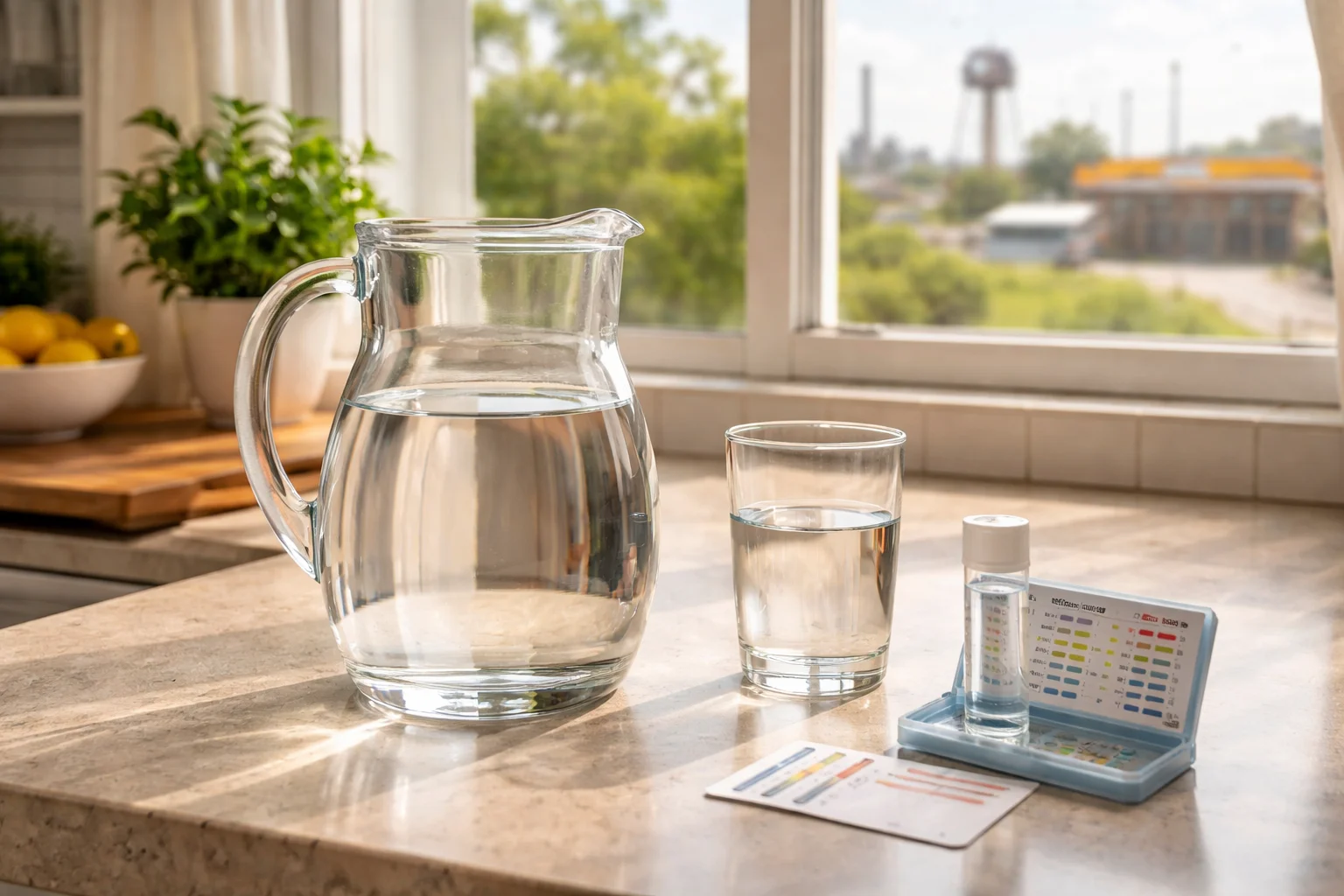
1,1-dichloroethylene is a volatile organic compound (VOC) that can reach groundwater when industrial solvents or related chemicals contaminate sources. Because it evaporates readily, it can move from water into the air during showers, dishwashing and laundry, so exposure isn’t limited to drinking water. It usually can’t be detected by taste, smell or sight, which is why testing is the only reliable way to know whether it’s present. If tests show elevated levels, homeowners in Cypress Lakes often choose to address the water at the point it enters the house.
VOCs like 1,1-dichloroethylene are measured in tiny amounts and can fluctuate, so clear-looking water doesn’t guarantee the absence of contaminants. Many families around Cypress Lakes prefer to limit exposure during everyday activities—cooking, brushing teeth and bathing—not just at a single faucet. Treating water at the whole-house level delivers consistent protection to bathrooms, the kitchen and appliances, which is helpful in our humid subtropical Florida climate and in homes that experience hard water and mineral buildup.
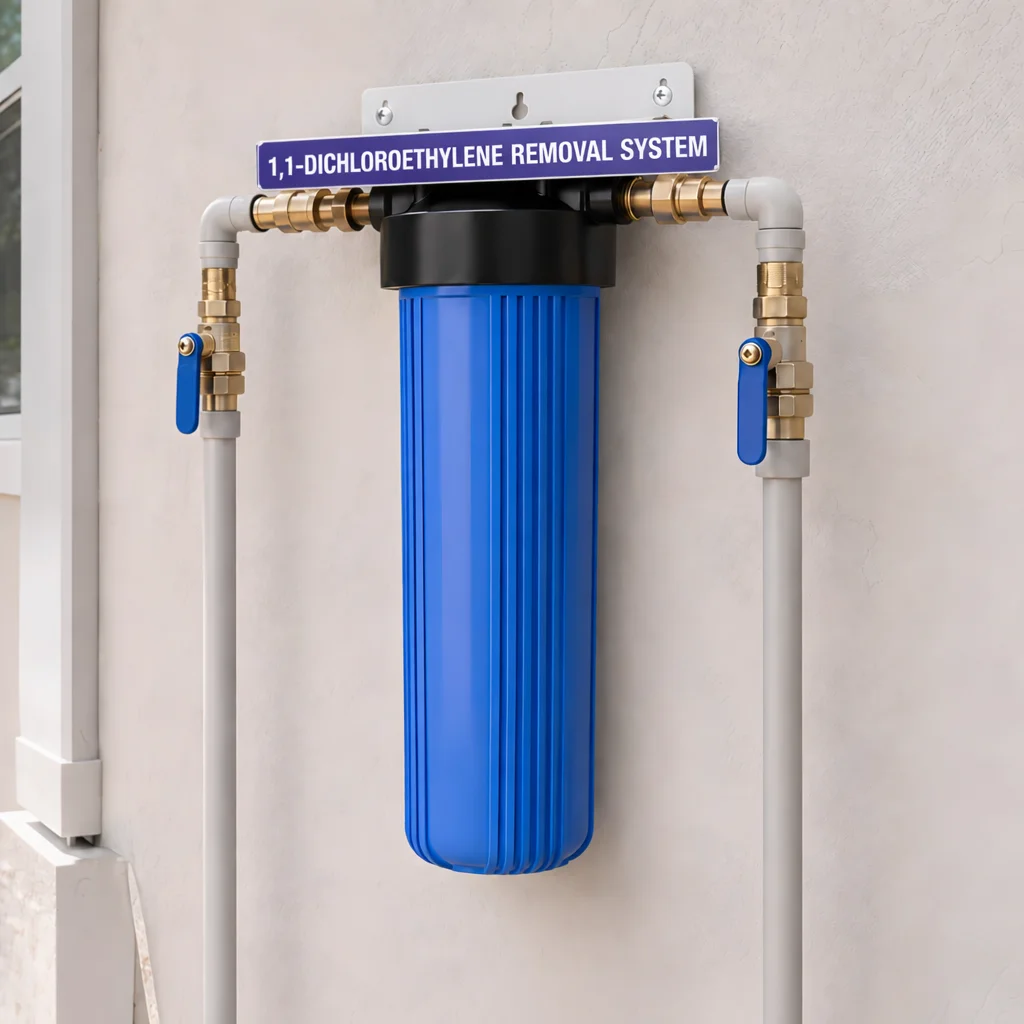
To reduce 1,1-dichloroethylene, the most effective single-filter whole-house option is a granular activated carbon (GAC) system. GAC works by adsorbing many VOCs as water flows through the carbon media, and when installed at the point of entry it treats water before it reaches showers, sinks and laundry—reducing both ingestion and the chance VOCs will volatilize into indoor air.
Sizing a GAC tank correctly is important because contact time with the carbon determines how well VOCs are removed; the system should match your home’s flow rate and usage. Carbon media needs periodic replacement or re-bedding so performance stays strong, and adding prefiltration helps keep sediment out of the carbon bed—especially useful in Florida homes with hard water that can cause scale and particulates. Mr. Pure Water can recommend a whole-house GAC setup tailored to Cypress Lakes homes to reliably lower 1,1-dichloroethylene exposure.
 561-300-5075
 info@bestwaterheater.com

