 Phone: 407-214-2646
 info@bestwaterheater.com
Phone: 407-214-2646
info@bestwaterheater.com
info@bestwaterheater.com
Phone: 407-214-2646
info@bestwaterheater.com
 Phone: 407-214-2646
info@bestwaterheater.com
Phone: 407-214-2646
info@bestwaterheater.com

Including filter system and high-performance 1,1-Dichloroethylene filter.


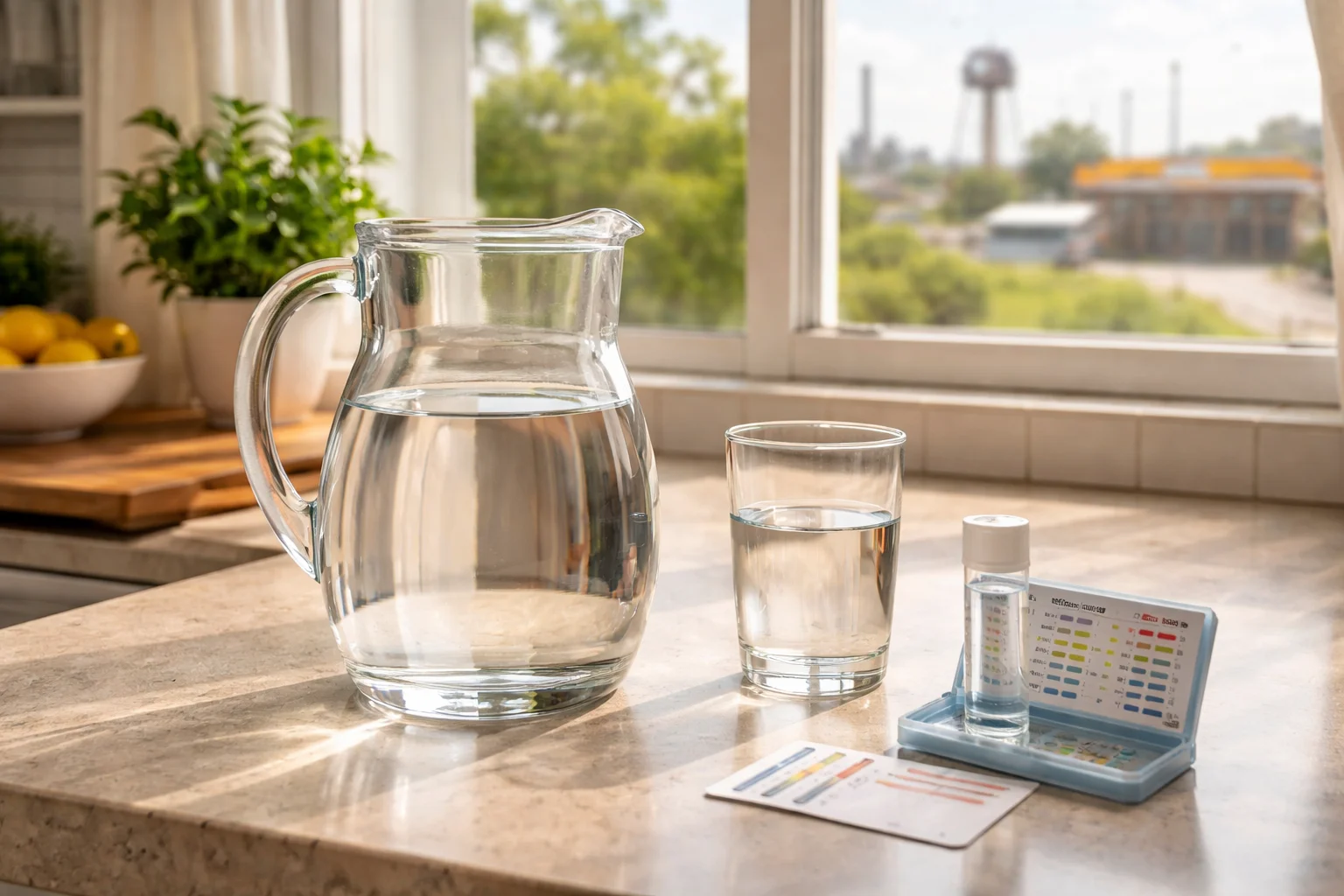
1,1-Dichloroethylene is a volatile organic compound (VOC) that can enter drinking water when industrial solvents or related chemicals reach groundwater. Because it volatilizes readily, it can impact the air in your home during showers, laundry, and dishwashing as well as the water you use. It often has no obvious taste, smell, or color, so the only reliable way to know if it’s present is testing. If a lab report shows elevated levels, treating the water where it enters your Eustis home is a practical next step.
VOCs such as 1,1-Dichloroethylene can be present at very low concentrations and may fluctuate, so clear water from the tap doesn’t guarantee safety. Many Lake County families in Eustis choose to reduce exposure for everyday activities—cooking, teeth brushing, and bathing—not just at a single sink. A whole-house solution delivers treated water to every bathroom, the kitchen, and appliances, giving consistent protection across the home whether you live near Downtown Eustis, the Lake Eustis waterfront area, or the Tavares Road corridor.
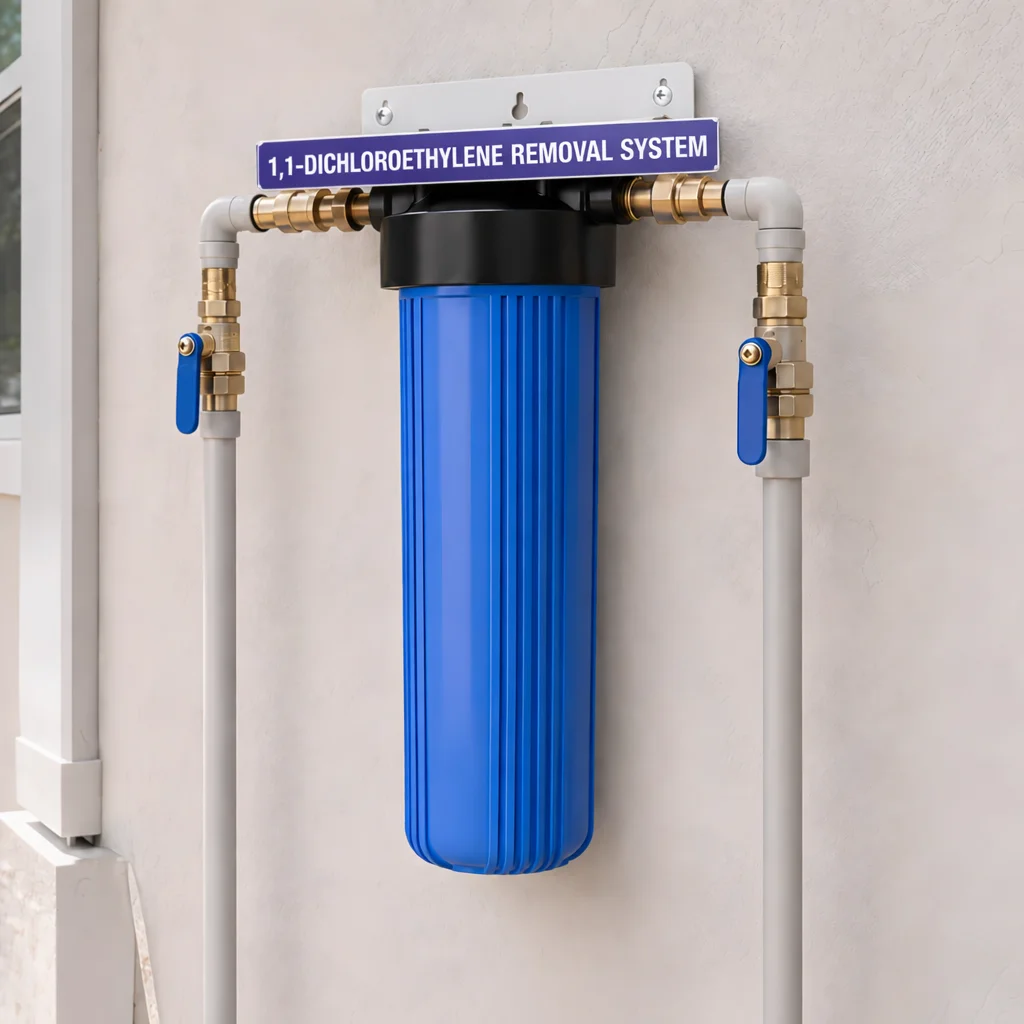
For treating 1,1-Dichloroethylene, the most effective single whole-house option is a granular activated carbon (GAC) filter. GAC media adsorbs many VOCs as water flows through the carbon, and when installed at the point of entry it treats water before it reaches showers, sinks, and household appliances—helpful in a humid subtropical place like Eustis where indoor humidity can increase volatilization during hot months.
Sizing a GAC tank correctly matters because sufficient contact time with the carbon is critical for VOC removal, and the system should match your home’s peak flow and usage. Carbon media will eventually become exhausted and requires scheduled replacement or re-bedding to keep performance steady; prefiltration can protect the carbon from Lake County’s typically hard water and sediment that contribute to pressure loss. Mr. Pure Water can assess your Eustis property—whether near Ferran Park or the Trout Lake Nature Center—and recommend a whole-house carbon setup sized to lower 1,1-Dichloroethylene reliably.
 407-214-2646
 info@bestwaterheater.com

