 Phone: 850-772-1365
 info@bestwaterheater.com
Phone: 850-772-1365
info@bestwaterheater.com
info@bestwaterheater.com
Phone: 850-772-1365
info@bestwaterheater.com
 Phone: 850-772-1365
info@bestwaterheater.com
Phone: 850-772-1365
info@bestwaterheater.com

Including filter system and high-performance 1,1-Dichloroethylene filter.


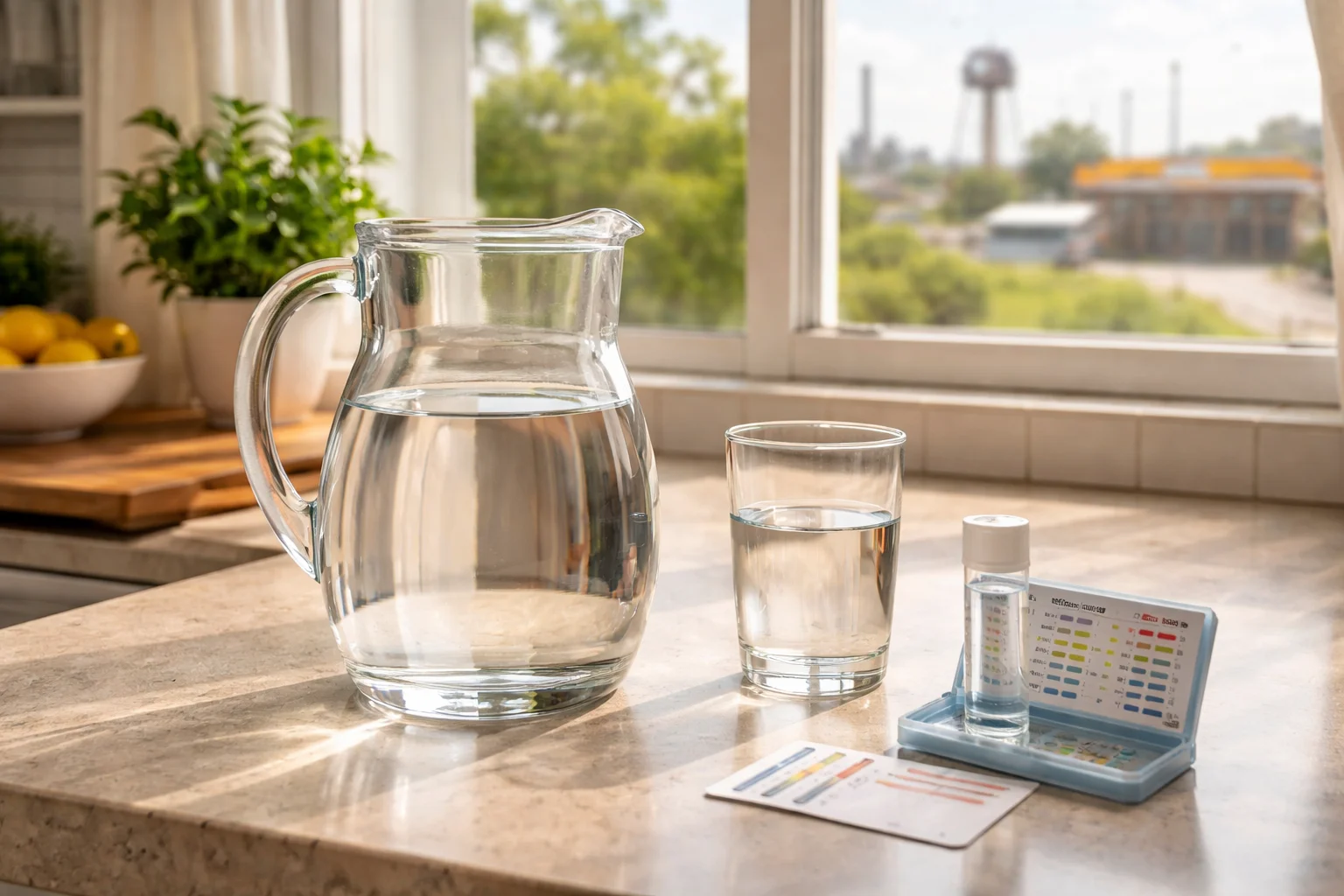
1,1-dichloroethylene is a volatile organic compound (VOC) that can enter groundwater when certain industrial solvents or related chemicals contaminate sources. Because it evaporates easily, it can leave the water and become part of the air in your home during showers, laundry, or dishwashing, so it can affect more than just what you drink. It usually can’t be detected by taste, smell, or sight, which is why testing is the reliable way to know if it’s present. If testing shows elevated levels, homeowners in the Tyndall AFB area often choose to treat water at the point it enters the house to reduce exposure throughout the home.
VOCs such as 1,1-dichloroethylene are measured at very low concentrations and can fluctuate over time, so clear-looking water isn’t a guarantee of safety. Many families around Tyndall AFB prefer to lower their everyday exposure for cooking, tooth brushing, and bathing rather than treating only a single tap. A whole-house solution delivers treated water to bathrooms, the kitchen, and appliances so you have consistent protection throughout your home’s routine.
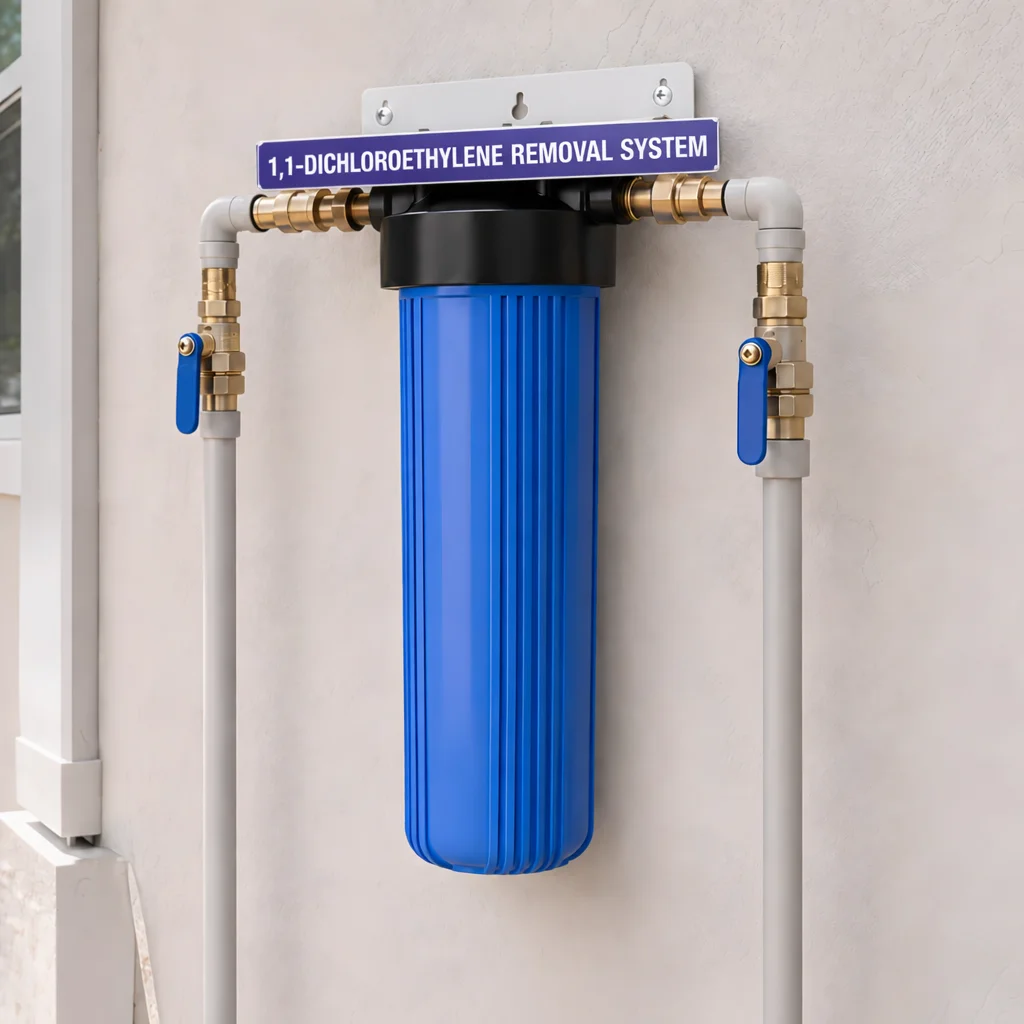
When the goal is to reduce 1,1-dichloroethylene, a whole-house granular activated carbon (GAC) filter is commonly the best single-filter choice. GAC works by adsorbing many volatile organic compounds as water moves through the carbon media. Installed as a point-of-entry system, a GAC tank treats water before it reaches showers, sinks, and household appliances—helping address both ingestion and the volatilization that can occur during daily use in Tyndall AFB homes.
Sizing a GAC tank correctly is important because contact time affects VOC removal, so the system should match your home’s flow rate and water use. Carbon media will eventually become exhausted and requires periodic replacement or re-bedding to maintain performance. Adding prefiltration can protect the carbon bed from sediment that shortens life and raises pressure loss. Mr. Pure Water can help households in Tyndall AFB choose a whole-house carbon setup tailored to their plumbing and usage to reliably lower 1,1-dichloroethylene.
 850-772-1365
 info@bestwaterheater.com

