 Phone: 772-290-5223
 info@bestwaterheater.com
Phone: 772-290-5223
info@bestwaterheater.com
info@bestwaterheater.com
Phone: 772-290-5223
info@bestwaterheater.com
 Phone: 772-290-5223
info@bestwaterheater.com
Phone: 772-290-5223
info@bestwaterheater.com

Including filter system and high-performance 1,2,3-Trichloropropane filter.


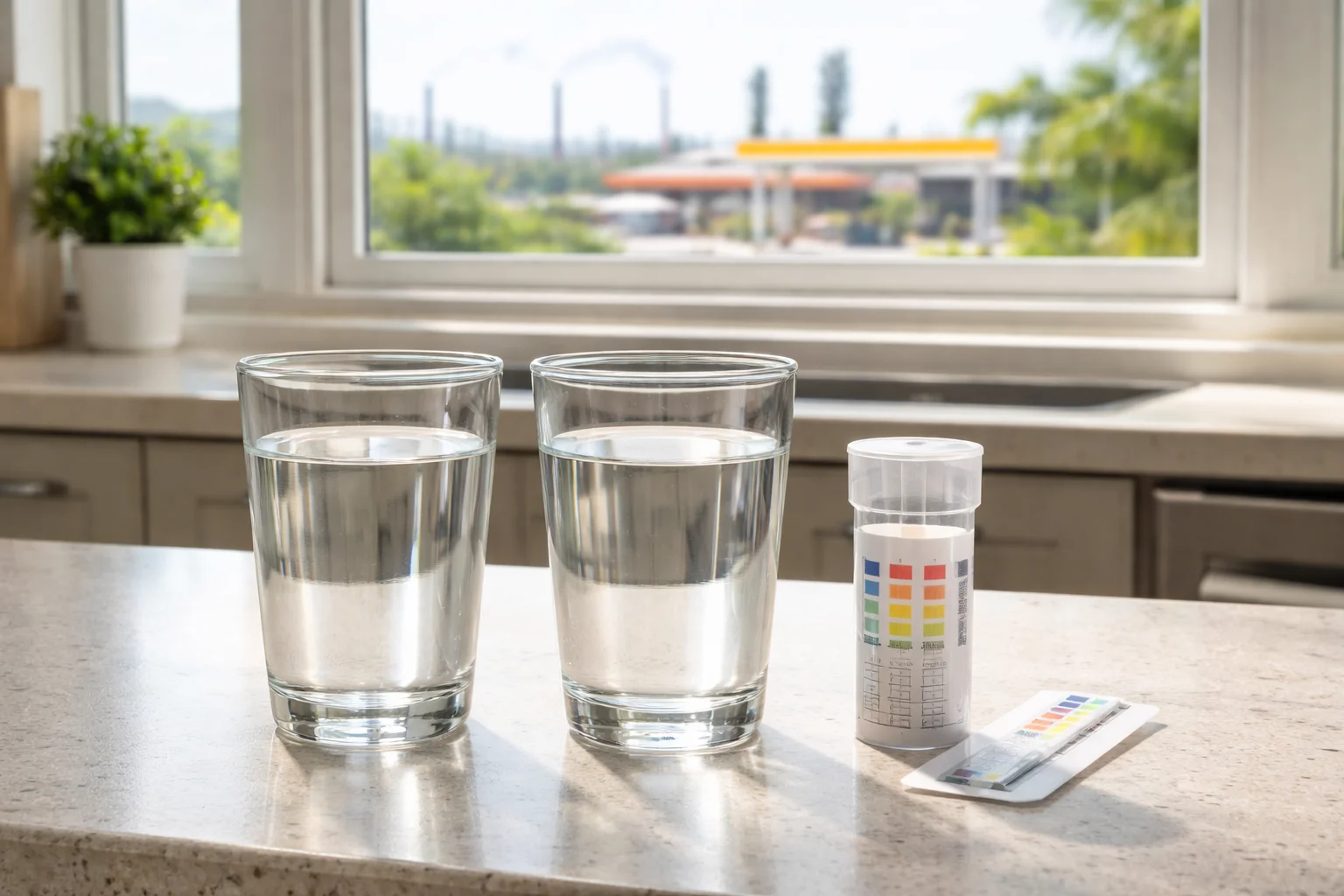
1,2,3-trichloropropane is a man-made industrial chemical that can sometimes be present in drinking water at trace levels and may persist in groundwater. Because it has no distinctive taste, smell, or appearance, the only way to know whether it’s in your supply is through proper testing. In Pioneer—where households may draw from private wells or small local systems—many homeowners choose a whole-house solution so every faucet, shower and appliance is protected rather than relying solely on a single point-of-use filter.
Seeing 1,2,3-trichloropropane on a water report can be worrying when you think about everyday tasks like cooking, bathing, and laundry. The encouraging part is that residential treatment approaches are well established and effective when chosen to match your water source and contaminant level. In Pioneer’s humid subtropical climate, and given the local variety between wells and small systems, a professional assessment is the best way to determine the right technology and ensure the system is sized properly for your household.
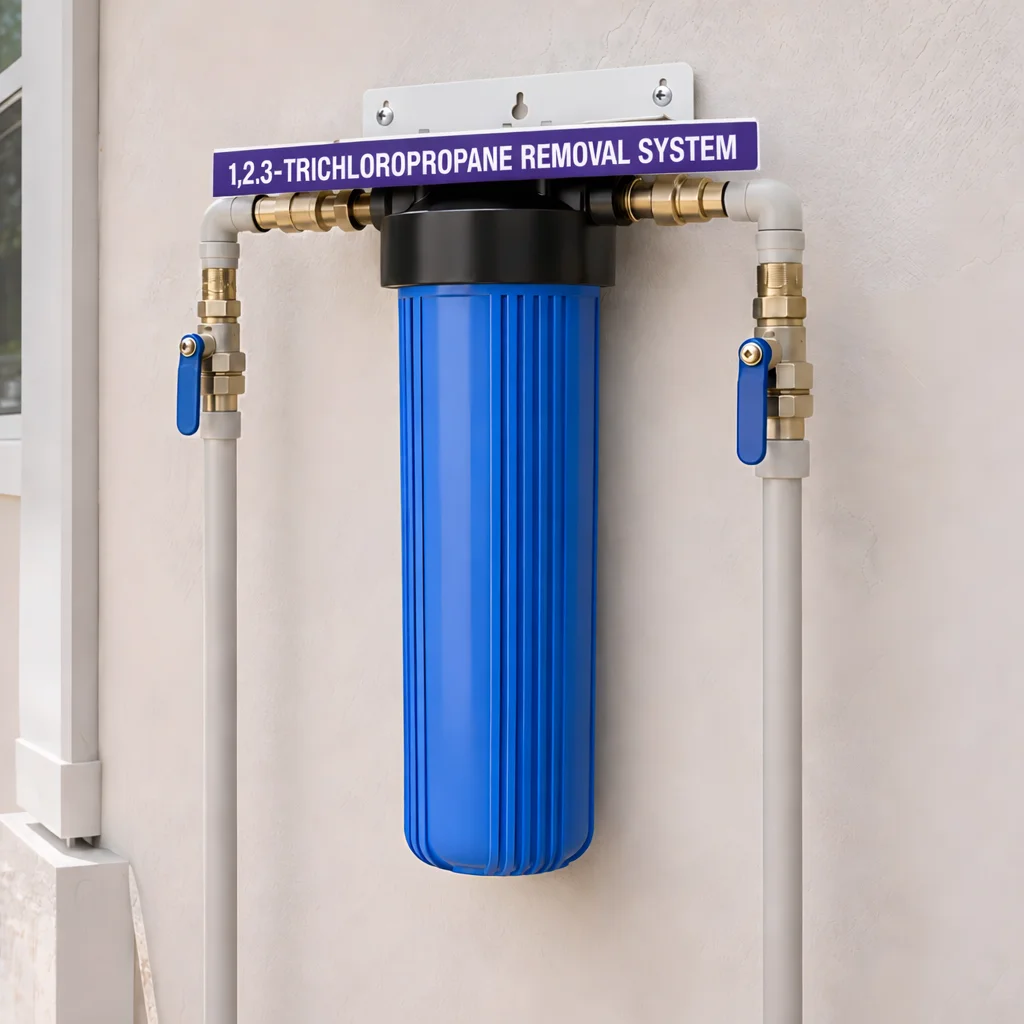
The single most effective whole-house filter type for removing 1,2,3-trichloropropane is granular activated carbon (GAC) made for chemical adsorption, installed as a whole-home carbon tank. GAC removes many organic contaminants by trapping them in its porous surface as water flows through the media. Because 1,2,3-trichloropropane can be difficult to remove, the specific carbon grade, contact time and flow rate are important, so the tank must be properly sized to meet your home’s flow and usage patterns.
Mr. Pure Water can design and install a whole-house activated carbon system in Pioneer that matches your household water use and pressure needs. We often pair carbon with pre-filtration to prevent sediment from fouling the carbon bed and to keep performance steady over time. Like all adsorption media, carbon requires periodic replacement based on water use and contaminant load, so we include maintenance planning so your system continues treating water for showers, faucets, appliances and outdoor spigots without relying on multiple point-of-use units.
 772-290-5223
 info@bestwaterheater.com

