 Phone: 772-290-5223
 info@bestwaterheater.com
Phone: 772-290-5223
info@bestwaterheater.com
info@bestwaterheater.com
Phone: 772-290-5223
info@bestwaterheater.com
 Phone: 772-290-5223
info@bestwaterheater.com
Phone: 772-290-5223
info@bestwaterheater.com

Including filter system and high-performance 1,2,3-Trichloropropane filter.


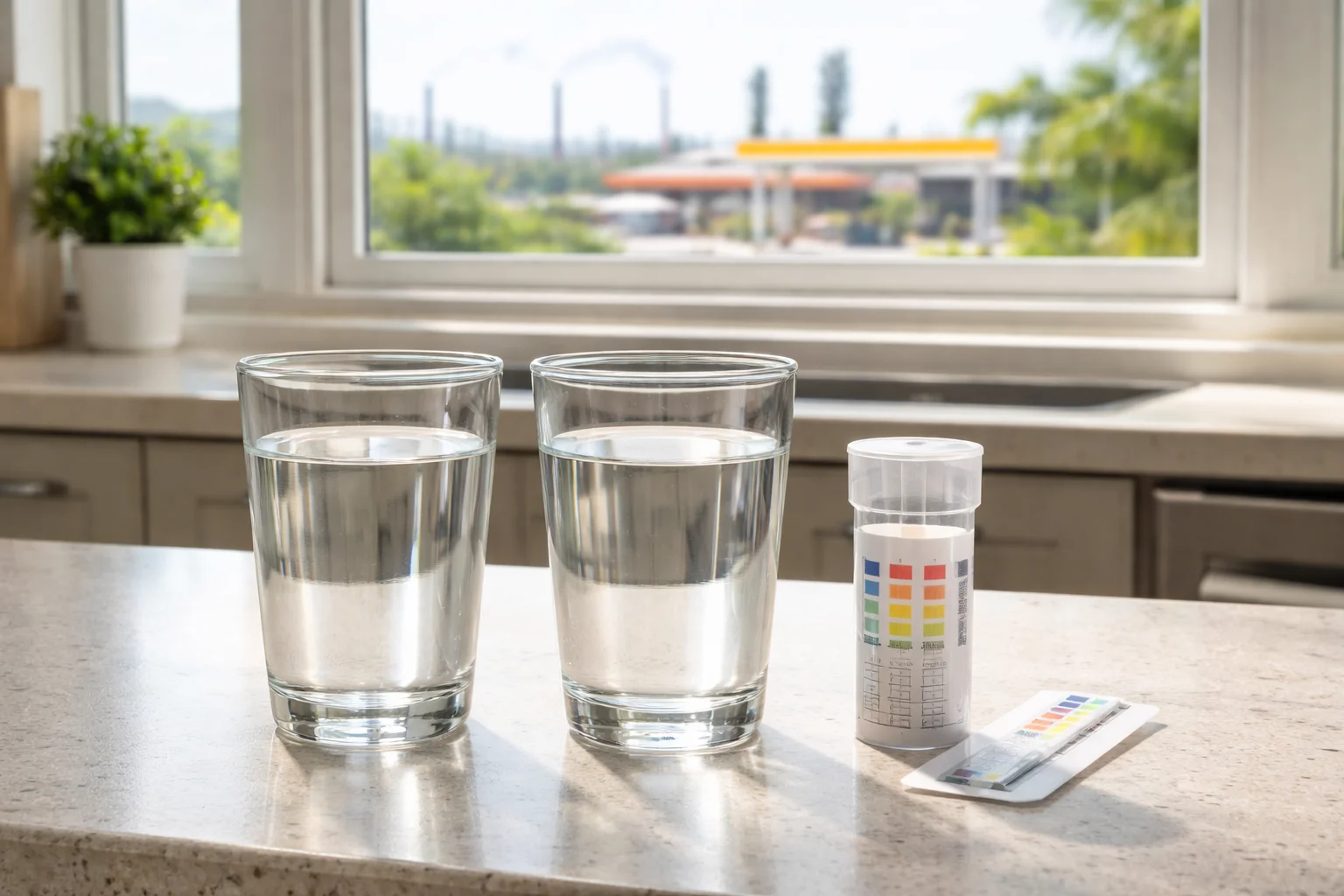
1,2,3-trichloropropane is a man-made industrial compound that can sometimes be found in drinking water at trace levels and may remain in groundwater if released. You won’t be able to detect it by taste, odor, or sight, so testing is the only way to know whether it’s present. Many Plantation Island homeowners prefer a whole-house solution so showers, laundry, outdoor hoses and every faucet—not just the kitchen sink—receive treated water.
Seeing 1,2,3-trichloropropane on a water report can leave you wondering about everyday tasks like cooking and bathing. Treatment approaches are well established, and effective residential options exist; the best choice depends on your water source and the level being addressed. For Plantation Island properties in South Florida’s humid subtropical climate, a professional assessment will ensure the right technology and system capacity for your household’s needs.
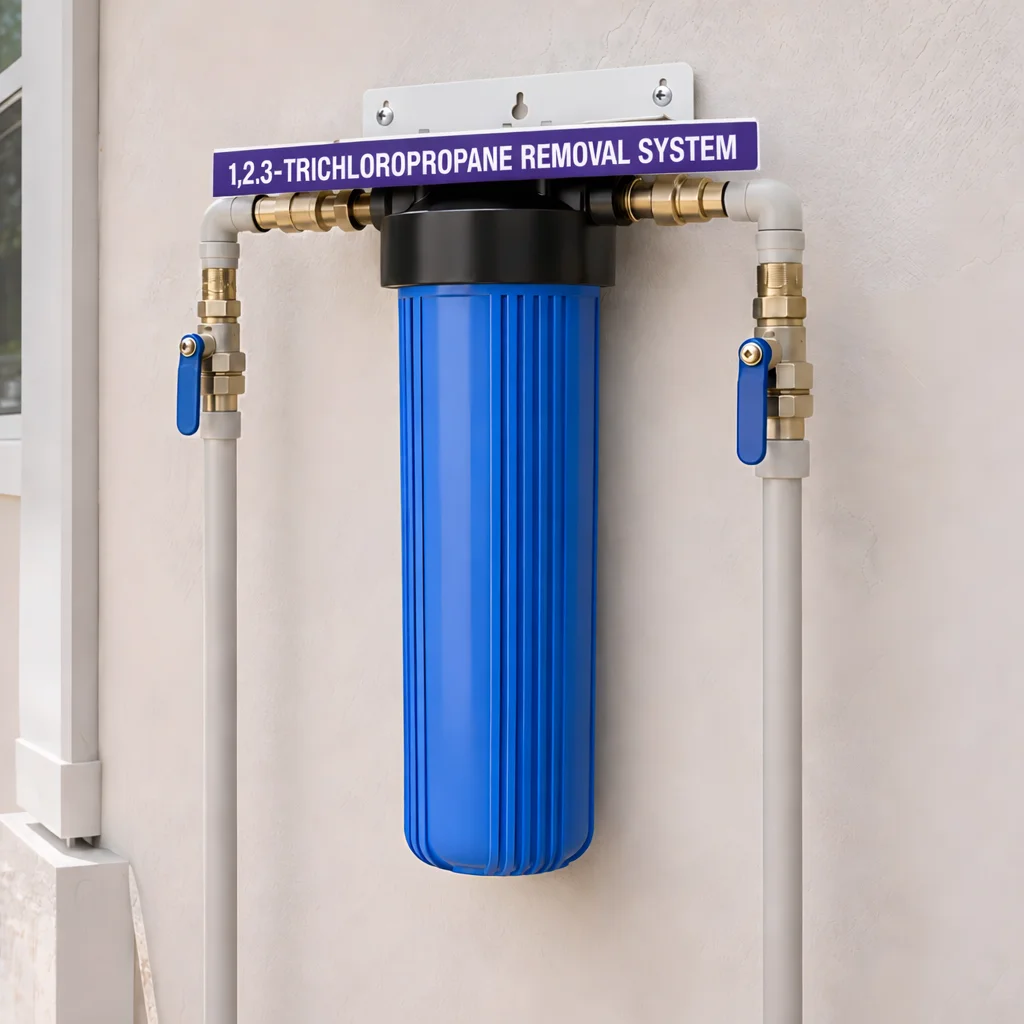
The most effective single-filter choice for removing 1,2,3-trichloropropane in a home is a whole-house granular activated carbon (GAC) system sized and configured for chemical adsorption. GAC works by adsorbing many organic contaminants onto its porous surface as water flows through. Because 1,2,3-trichloropropane can be more difficult to remove, the specific carbon type, contact time and flow rate are important—so the tank must be properly sized for your Plantation Island household to deliver good results at every tap.
Mr. Pure Water can design and install a whole-home activated carbon system for Plantation Island residences that matches your water use and pressure requirements. We commonly add pre-filtration to protect the carbon bed from sediment and to keep performance steady over time. Because carbon media eventually becomes saturated, scheduled media replacement based on your usage and contaminant load is part of the plan—this ensures continued protection throughout the house without relying on separate point-of-use units.
 772-290-5223
 info@bestwaterheater.com

