 Phone: 561-300-5075
 info@bestwaterheater.com
Phone: 561-300-5075
info@bestwaterheater.com
info@bestwaterheater.com
Phone: 561-300-5075
info@bestwaterheater.com
 Phone: 561-300-5075
info@bestwaterheater.com
Phone: 561-300-5075
info@bestwaterheater.com

Including filter system and high-performance 1,2,3-Trichloropropane filter.


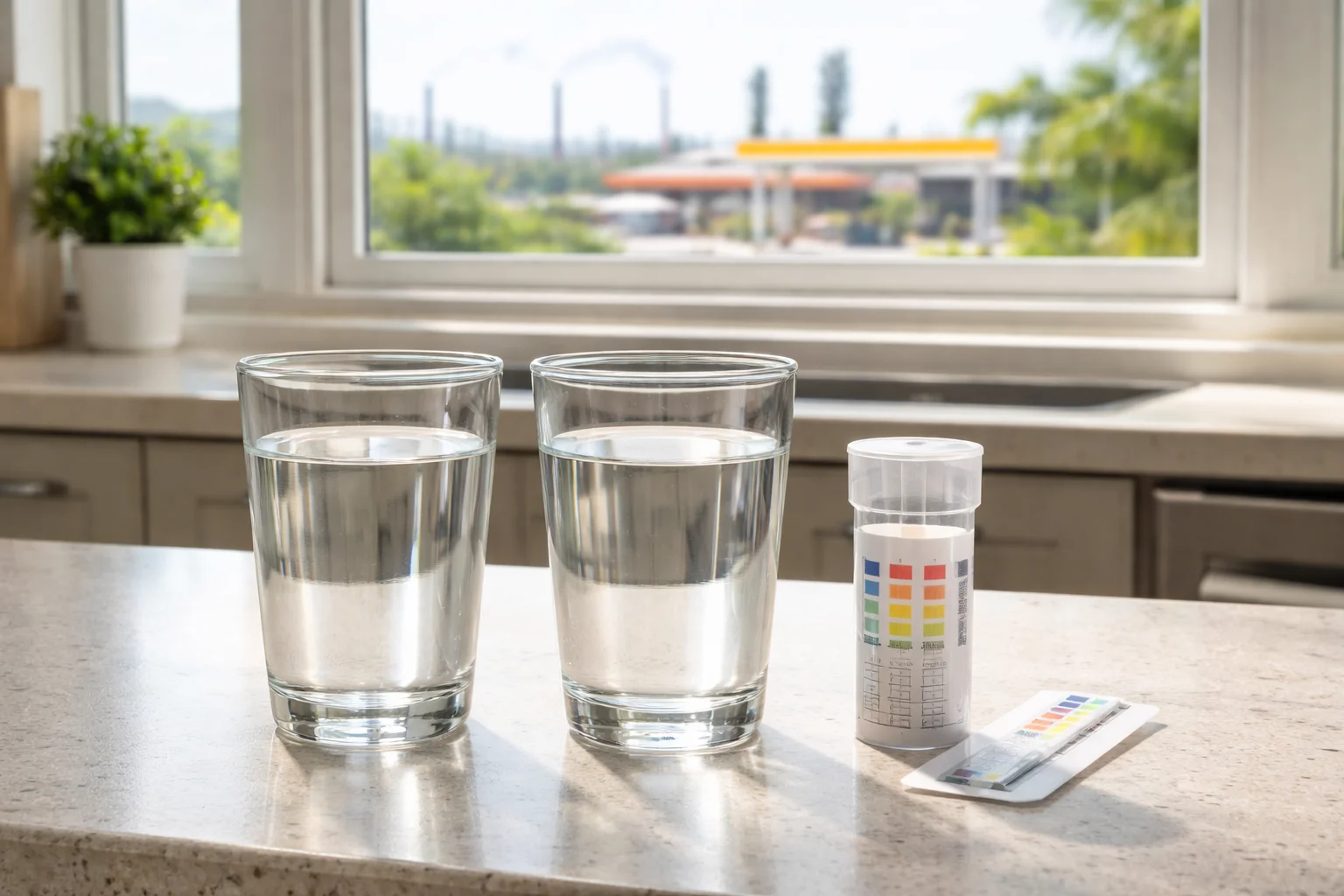
1,2,3-Trichloropropane is a man-made industrial chemical that can appear in drinking water at very low concentrations and may persist in groundwater. Because it has no clear taste, smell, or color, the only reliable way to know if it’s present in your supply is through laboratory testing. Many Wellington homeowners choose a whole-house strategy so every faucet, shower and appliance — from the kitchen sink to outdoor spigots — receives the same protection rather than relying solely on a single point-of-use device.
Seeing 1,2,3-Trichloropropane on a water report can leave you wondering about everyday activities like cooking, bathing or washing clothes. The reassuring part is that residential treatment approaches are well established, and effective filtration options exist. The best choice for a Wellington property depends on your water source, the level reported, and your home’s flow needs; a professional assessment ensures the system type and size match local conditions — including Palm Beach County’s typically hard water — and deliver the performance you expect.
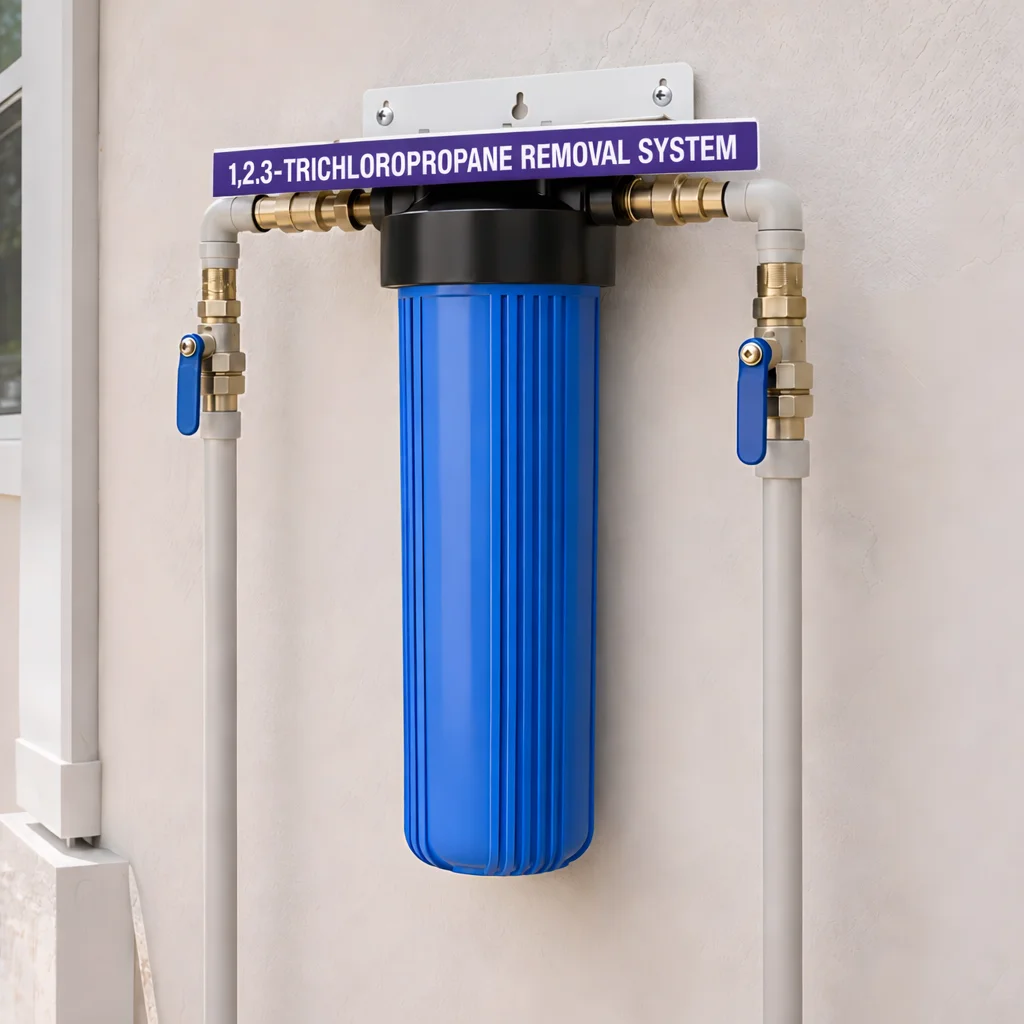
The most effective single-filter whole-house option for tackling 1,2,3-Trichloropropane is granular activated carbon (GAC) engineered for chemical adsorption, installed as a central carbon filter. Activated carbon removes many organic contaminants by adsorbing them into its porous structure as water flows through. Because 1,2,3-Trichloropropane can be more difficult to reduce, the specific carbon grade, contact time and system flow rate are important — so the tank must be sized correctly for your household’s demand to protect showers, fixtures and appliances throughout Wellington.
Mr. Pure Water can design and install a whole-house activated carbon system tailored for Wellington homes, taking into account local factors like hard Palm Beach County water and typical household pressure needs. We often include pre-filtration to remove sediment and reduce scale-related clogging of the carbon bed, which helps sustain reliable performance. As with any adsorption media, the carbon requires periodic replacement based on usage and contaminant load, so we plan maintenance schedules up front to keep your system working and provide treated water at every tap without relying on multiple point-of-use units.
 561-300-5075
 info@bestwaterheater.com

