 Phone: 305-404-8790
 info@bestwaterheater.com
Phone: 305-404-8790
info@bestwaterheater.com
info@bestwaterheater.com
Phone: 305-404-8790
info@bestwaterheater.com
 Phone: 305-404-8790
info@bestwaterheater.com
Phone: 305-404-8790
info@bestwaterheater.com

Including filter system and high-performance 1,2,4-Trimethylbenzene filter.


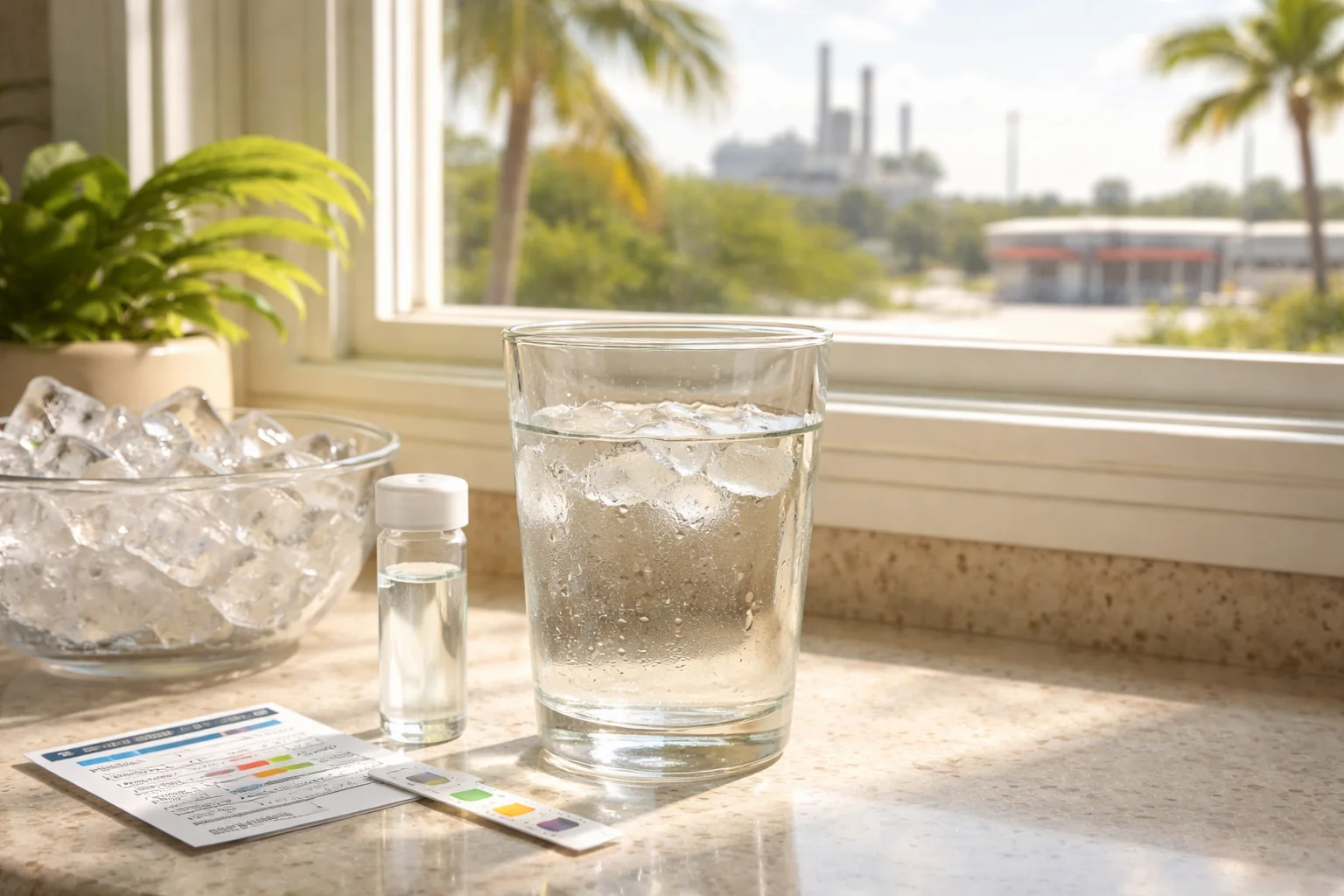
1,2,4-Trimethylbenzene is a volatile organic compound (VOC) that can enter water when petroleum products or industrial solvents contaminate a source or distribution system. Because it evaporates easily, you might notice a chemical or gasoline-like smell when running warm water, though it can be present even without an odor. South Miami homeowners who cook, bathe, and drink from the tap often look for reliable ways to reduce VOC exposure throughout the house rather than treating single glasses or pitchers.
VOCs in tap water can vary with seasons, changes in water sourcing, or nearby activities, making them hard to trace and sporadic in South Miami and greater Miami-Dade County. While point-of-use filters at a kitchen sink can improve drinking water, they won’t protect showers, laundry, or outdoor spigots — places where hard Miami-Dade water can also contribute to scale buildup. Treating incoming water with a whole-house system brings more consistent protection at every faucet, helping prevent odors or taste issues from reappearing when several fixtures are used at once.
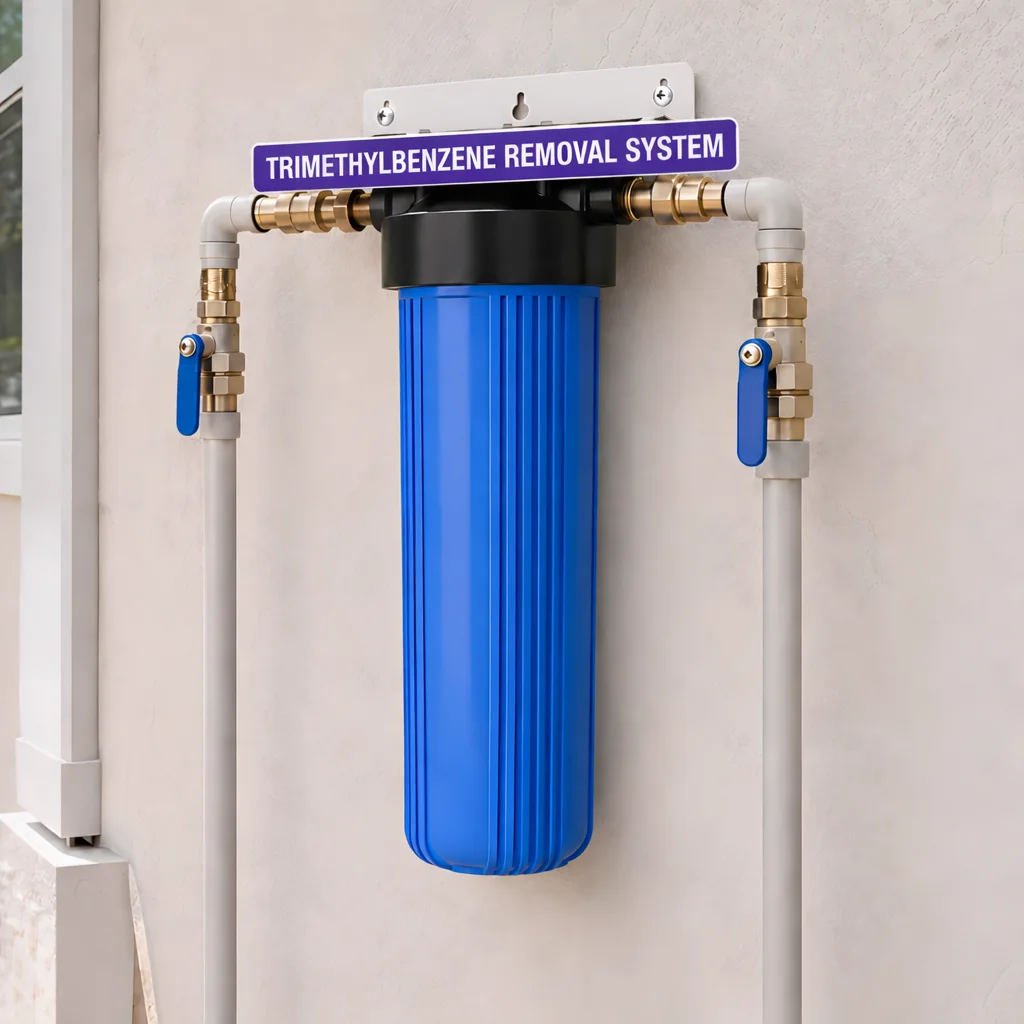
To reduce 1,2,4-Trimethylbenzene effectively, the best single filter choice is a whole-house activated carbon system. Activated carbon is designed to adsorb organic compounds like VOCs as water moves through its porous media. When the carbon tank is sized for your South Miami home’s flow rate and contact time, it can treat all water used for drinking, cooking, bathing, and appliances — which is especially useful in humid, warm climates where any odors may be more noticeable.
Mr. Pure Water typically recommends a dedicated tank-style unit filled with high-capacity catalytic or premium activated carbon media for VOC reduction. A larger carbon bed provides better contact time than small cartridges and performs more consistently at whole-house flow rates common in Miami-Dade homes. Proper installation places the system on the main line and matches configuration to your household demand; routine media replacement keeps adsorption capacity ready so 1,2,4-Trimethylbenzene and similar compounds remain controlled over time.
 305-404-8790
 info@bestwaterheater.com

