 Phone: 407-214-2646
 info@bestwaterheater.com
Phone: 407-214-2646
info@bestwaterheater.com
info@bestwaterheater.com
Phone: 407-214-2646
info@bestwaterheater.com
 Phone: 407-214-2646
info@bestwaterheater.com
Phone: 407-214-2646
info@bestwaterheater.com

Including filter system and high-performance 1,2-Dichloroethane filter.


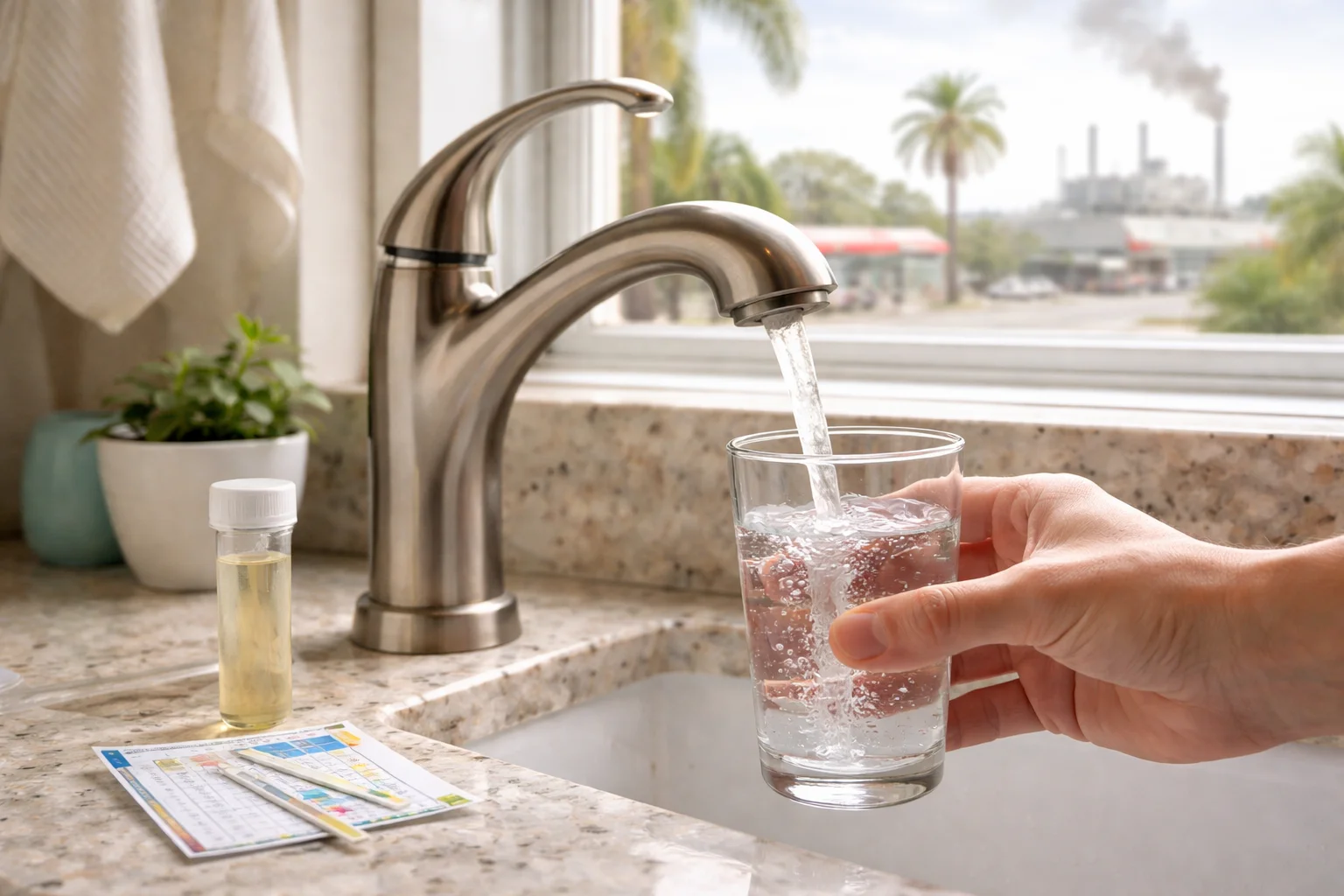
1,2-Dichloroethane is a synthetic chemical that can reach drinking water when industrial solvents or related compounds enter groundwater or supply systems. Because it may have no noticeable taste or smell, it can go undetected without testing. Many Casselberry homeowners prefer a whole-house treatment so every faucet—whether in the kitchen, bathroom, or laundry room—delivers water they feel comfortable using for cooking, bathing, and cleaning.
If you’re worried about unhealthy levels of 1,2-Dichloroethane, start by testing your water and then choose a filter that matches the results. Different contaminants need different media, and not every general-purpose cartridge is suited for solvent-type chemicals. Even in Seminole County’s clear, hard groundwater—common around Casselberry—trace organics can be present, so pick treatment based on verified performance to ensure reliable reduction at every tap without altering normal household use.
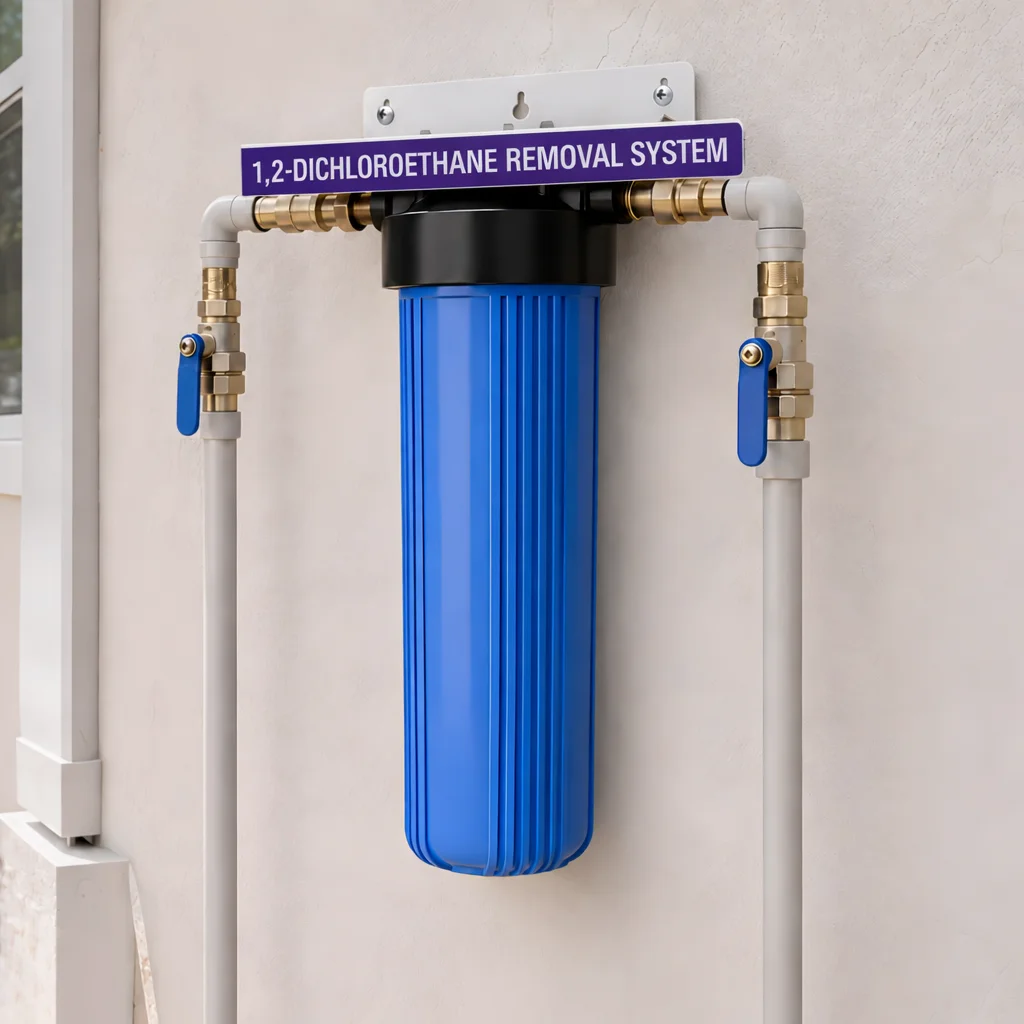
The most effective single-filter option for reducing 1,2-Dichloroethane is a whole-house granular activated carbon (GAC) system built for chemical adsorption. GAC’s large surface area captures many organic compounds as water flows through, and a correctly sized carbon tank gives the necessary contact time for adsorption to work well. Installed at the point of entry for a Casselberry home, a GAC tank treats supply water before it reaches sinks, showers, and appliances.
A whole-house GAC filter provides a simple, non-electric treatment that operates automatically whenever water is used. Choose a system sized for your household flow and usage—higher demand shortens contact time and can affect performance. In many Casselberry homes a sediment prefilter is added ahead of the carbon to keep dirt and limescale from clogging the media, helping the GAC last longer. Mr. Pure Water can assess your needs and recommend a whole-house GAC setup focused on reducing 1,2-Dichloroethane throughout your home.
 407-214-2646
 info@bestwaterheater.com

