 Phone: 407-214-2646
 info@bestwaterheater.com
Phone: 407-214-2646
info@bestwaterheater.com
info@bestwaterheater.com
Phone: 407-214-2646
info@bestwaterheater.com
 Phone: 407-214-2646
info@bestwaterheater.com
Phone: 407-214-2646
info@bestwaterheater.com

Including filter system and high-performance 1,2-Dichloropropane filter.



1,2-dichloropropane is a synthetic volatile organic compound (VOC) that can enter water when industrial chemicals are present nearby. As a VOC it can travel with water and sometimes produce a solvent-like smell even when the liquid looks clear. Homeowners around Windermere — whether in Downtown Windermere, Isleworth, Keene's Pointe or other neighborhoods— most often learn about it through lab testing, a utility notice, or private well screening. If a test shows levels you’re uncomfortable with, treating the water where it comes into your house is a sensible next step.
Even if routine reports show your water meets general standards, many Windermere families choose to reduce specific VOCs for added reassurance. 1,2-dichloropropane won’t be removed by basic sediment cartridges, and common pitcher filters generally aren’t designed to handle this type of chemical. Because it can affect every faucet, the concern extends beyond drinking — cooking, bathing and laundry can be involved too. Installing a whole-house solution ensures a consistent level of reduction across your plumbing and appliances throughout Orange County.
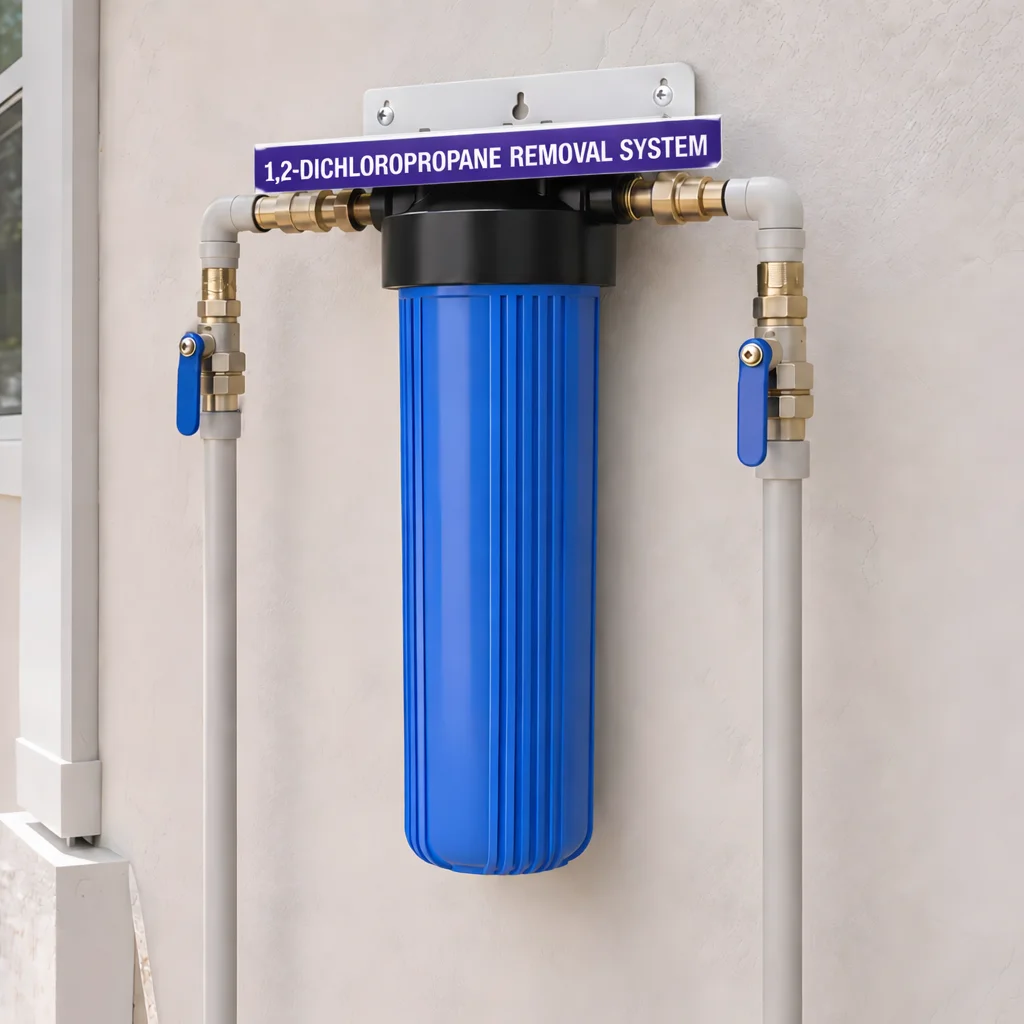
To address 1,2-dichloropropane, a whole-house activated carbon filter is typically the most effective single-filter choice. Systems using high-quality catalytic or coconut-shell activated carbon media adsorb many VOCs as water flows through, lowering concentrations before water reaches taps and devices. With chemical contaminants like this, the carbon media type and the contact time are what matter most, rather than just a micron rating. Sizing the unit to your home’s flow rate helps maintain performance without causing a significant pressure drop — important in Windermere homes where hard water can already strain plumbing and appliances.
Mr. Pure Water will match the right whole-house carbon system to your water source in Windermere, whether you’re on municipal supply or a private well near the Butler Chain of Lakes. If your water carries sediment—common in Central Florida’s hard water—adding a prefilter protects the carbon bed from premature fouling, but the carbon stage remains the primary means of reducing 1,2-dichloropropane. Regular media replacement preserves adsorption capacity over time, and treating at the main line delivers filtered water to every tap in your home, not just a single sink.
 407-214-2646
 info@bestwaterheater.com

