 Phone: 561-300-5075
 info@bestwaterheater.com
Phone: 561-300-5075
info@bestwaterheater.com
info@bestwaterheater.com
Phone: 561-300-5075
info@bestwaterheater.com
 Phone: 561-300-5075
info@bestwaterheater.com
Phone: 561-300-5075
info@bestwaterheater.com

Including filter system and high-performance 1,4-Dichlorobenzene filter.


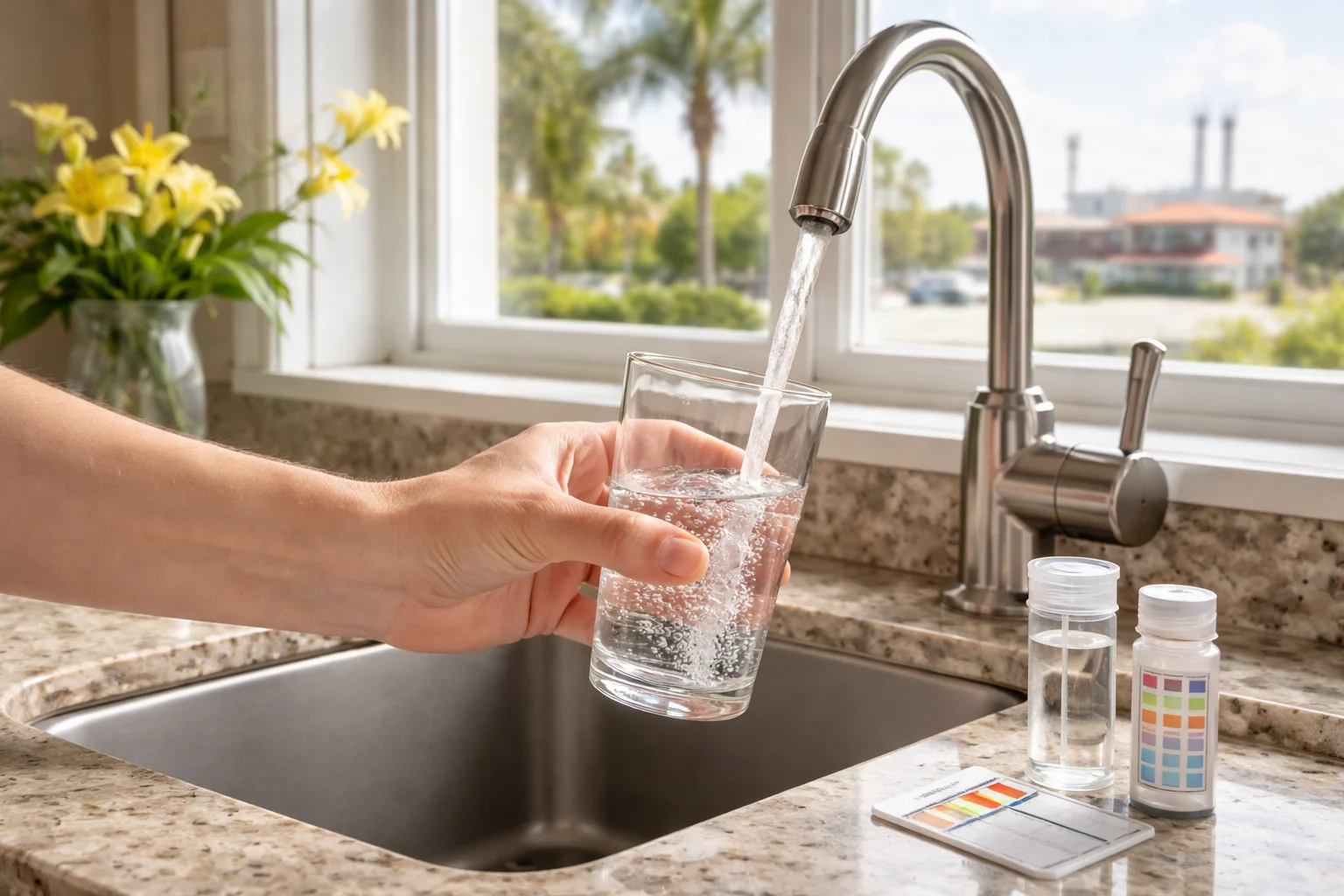
1,4-Dichlorobenzene is a synthetic chemical that can sometimes be found in drinking water and becomes a concern when concentrations rise. Also called p-Dichlorobenzene, many people know it by a strong mothball-like scent rather than the chemical name. For Lake Worth homeowners who notice an off-odor or want to limit exposure during everyday uses, treating the water where it enters the house is a common choice. A whole-house system protects baths, laundry, dishwashing and all taps, helping reduce the chance of smelling or contacting the compound during routine activities.
This compound has been used in products like moth repellents and some deodorizing items, and it can get into water supplies through industrial handling, improper disposal, or contaminated runoff and groundwater. It tends to persist because it does not readily break down under normal conditions, which means an odor may show up in hot showers or when multiple fixtures run even if the water looks clear. In Lake Worth and elsewhere in Palm Beach County, testing your home’s water is the reliable way to know whether 1,4-Dichlorobenzene is present and to decide on the proper treatment.
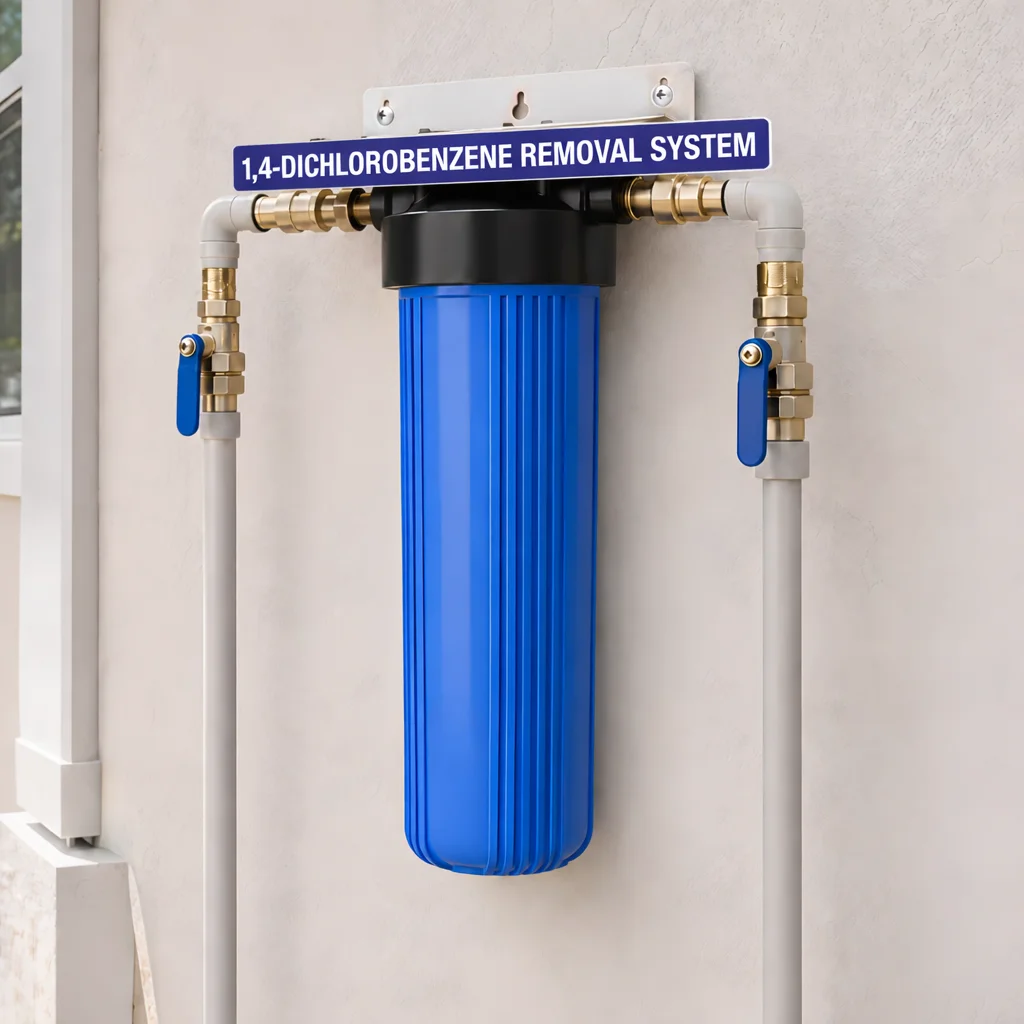
To reduce 1,4-Dichlorobenzene in household water, a single whole-house granular activated carbon (GAC) filter is typically the best option. GAC removes many organic contaminants, including p-Dichlorobenzene, by adsorbing them as water flows through the carbon media. Installed at the point where municipal or well water enters a Lake Worth home, a GAC tank treats every faucet and shower—important for contaminants that can be noticed by smell during bathing and cleaning.
A correctly sized whole-house carbon tank keeps up with a home’s flow needs so filtration doesn’t slow showers or appliances; media depth, contact time and scheduled media replacement are key to sustained reduction of 1,4-Dichlorobenzene. Mr. Pure Water can review your Lake Worth water test, recommend the right GAC system for your household (considering South Florida’s typically hard water), and install it so clean, treated water reaches every tap.
 561-300-5075
 info@bestwaterheater.com

