 Phone: 772-290-5223
 info@bestwaterheater.com
Phone: 772-290-5223
info@bestwaterheater.com
info@bestwaterheater.com
Phone: 772-290-5223
info@bestwaterheater.com
 Phone: 772-290-5223
info@bestwaterheater.com
Phone: 772-290-5223
info@bestwaterheater.com

Including filter system and high-performance 2,4-D filter.


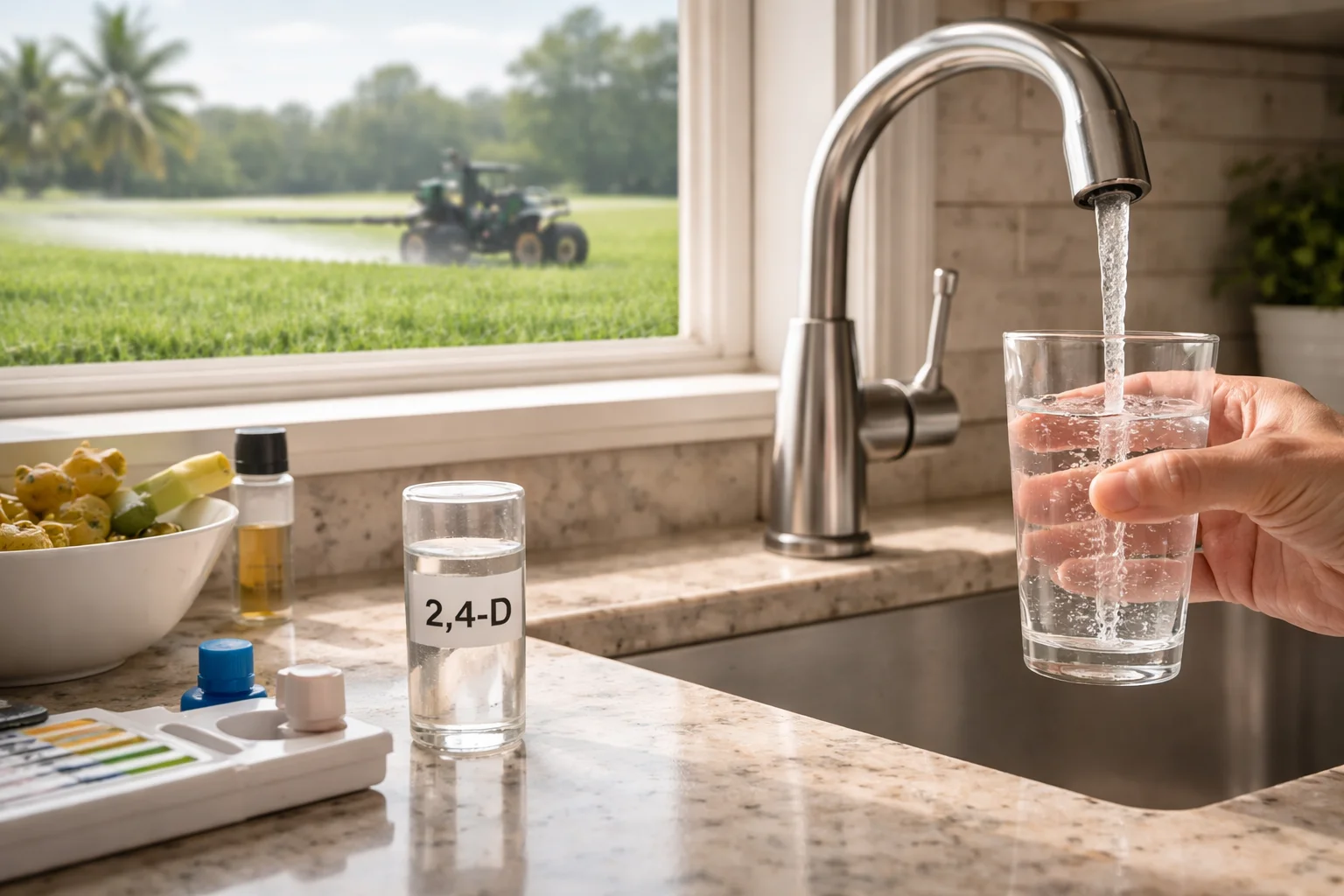
2,4-D is a common herbicide that can enter drinking water when it runs off treated lawns or seeps through soil into groundwater. Because it’s applied to control broadleaf weeds, traces may appear in local water depending on when and where it’s used and how water sources are affected. You usually can’t see 2,4-D in the faucet water, and it often won’t produce a noticeable taste or smell—so testing and targeted treatment are the reliable ways Sebring homeowners learn whether their water is affected.
Even when city supplies receive standard treatment, pesticides like 2,4-D can be inconsistent in how they’re reduced, and private wells around Highlands County may become vulnerable after heavy rains or changes in nearby land use. If you’re in Sebring—whether in Downtown Sebring, Sun 'N Lake, or near Lake Jackson—and you worry about 2,4-D in water used for drinking, cooking, bathing, and laundry, a whole-house approach treats water at the point it enters your home so every tap and appliance gets the same protection.
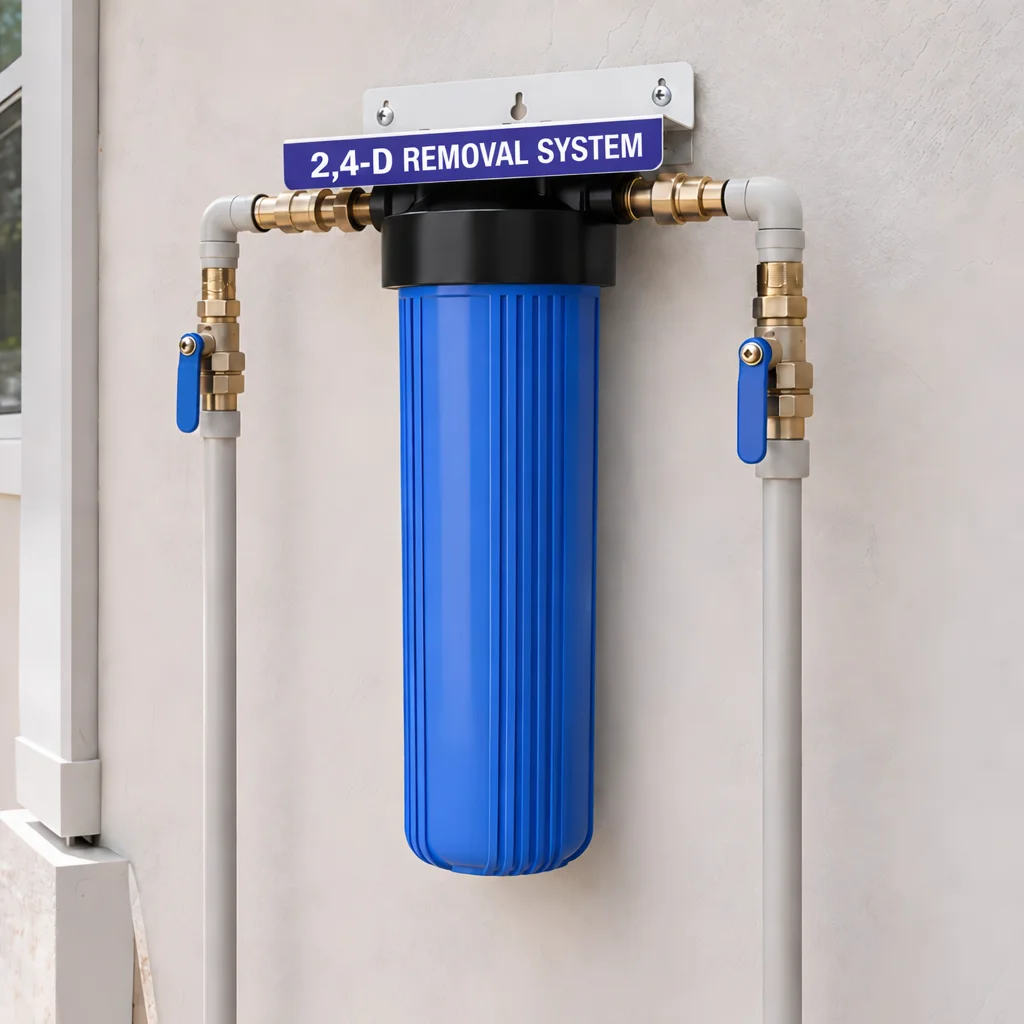
To lower 2,4-D throughout the house, a whole-house activated carbon system is often the single best filter option. Catalytic or coconut-shell activated carbon adsorbs many organic chemicals, including herbicides, by trapping them in the carbon’s porous surface. Because adsorption depends on contact time, selecting the correct tank size and flow rate is important for maintaining performance at showers, sinks, and appliances—especially in Sebring’s hard groundwater conditions that can affect flow and scale.
A whole-house carbon unit is installed on the main service line so water is treated before reaching the rest of the home; sediment pre-filtration is commonly added to prevent premature carbon fouling and preserve steady flow. Carbon media wears out with use, so scheduled replacement keeps 2,4-D removal working reliably over time. Mr. Pure Water can evaluate your Sebring property—considering local hard water and household usage—and recommend the right-sized carbon system based on lab results and daily needs.
 772-290-5223
 info@bestwaterheater.com

