 Phone: 305-404-8790
 info@bestwaterheater.com
Phone: 305-404-8790
info@bestwaterheater.com
info@bestwaterheater.com
Phone: 305-404-8790
info@bestwaterheater.com
 Phone: 305-404-8790
info@bestwaterheater.com
Phone: 305-404-8790
info@bestwaterheater.com

Including filter system and high-performance 2,4-D filter.


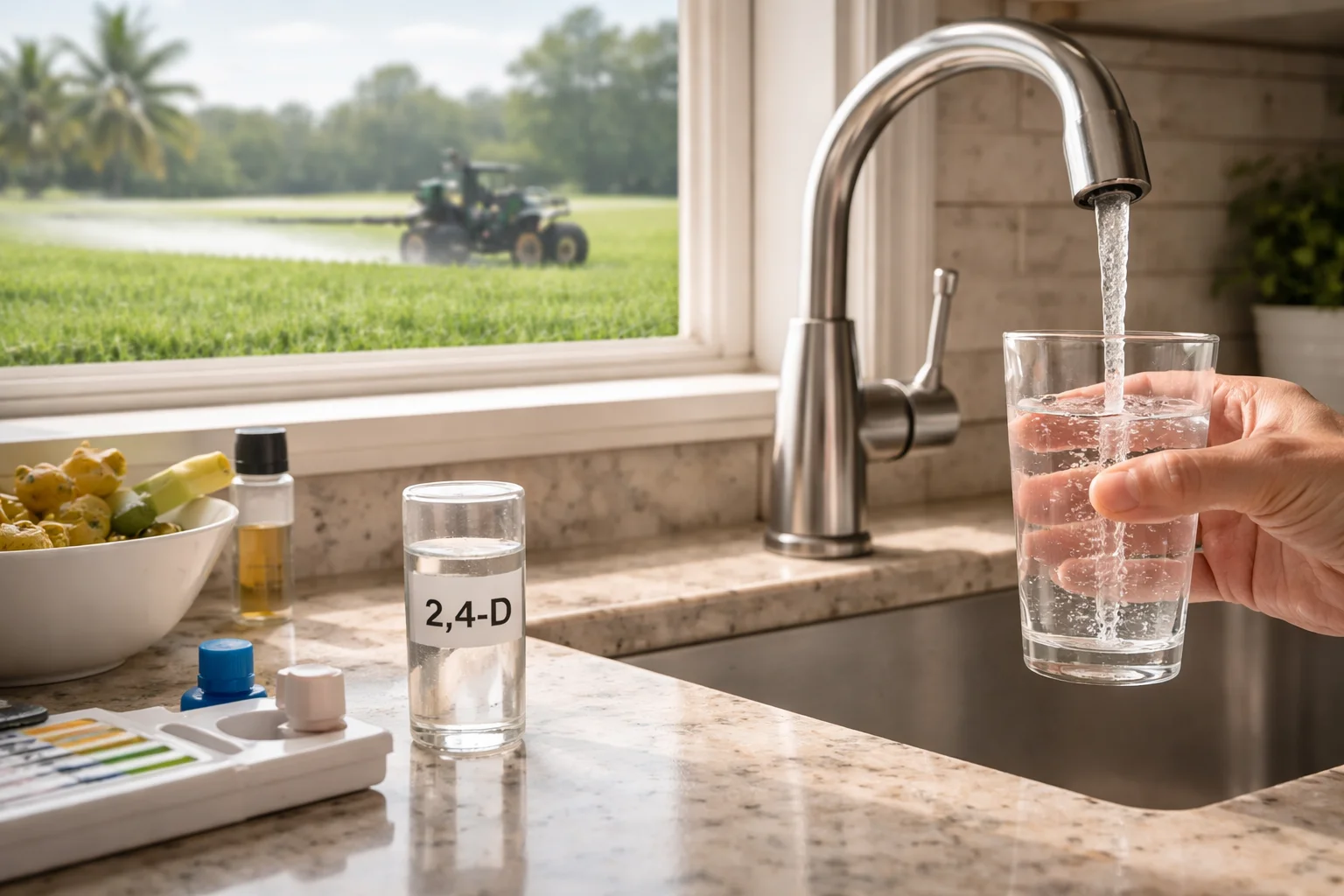
2,4-D is a common herbicide that can reach drinking water when it runs off treated landscapes or moves through soil into sources that supply homes. Because it’s applied to control broadleaf weeds, traces may appear in certain places depending on seasonal use and local water conditions. You usually won’t notice 2,4-D by sight, taste, or smell in tap water, which is why many University Park homeowners rely on testing and treatment rather than sensory cues alone.
Even where municipal systems treat water, some pesticides are intermittent and aren’t always removed by every treatment method. Private wells in the Miami-Dade area can be especially vulnerable after heavy rains or land-use changes that increase runoff. If you’re worried about unhealthy levels of 2,4-D in the water you use for drinking, cooking, bathing, and laundry, treating the water at the point it enters your home in University Park provides protection at every faucet and fixture.
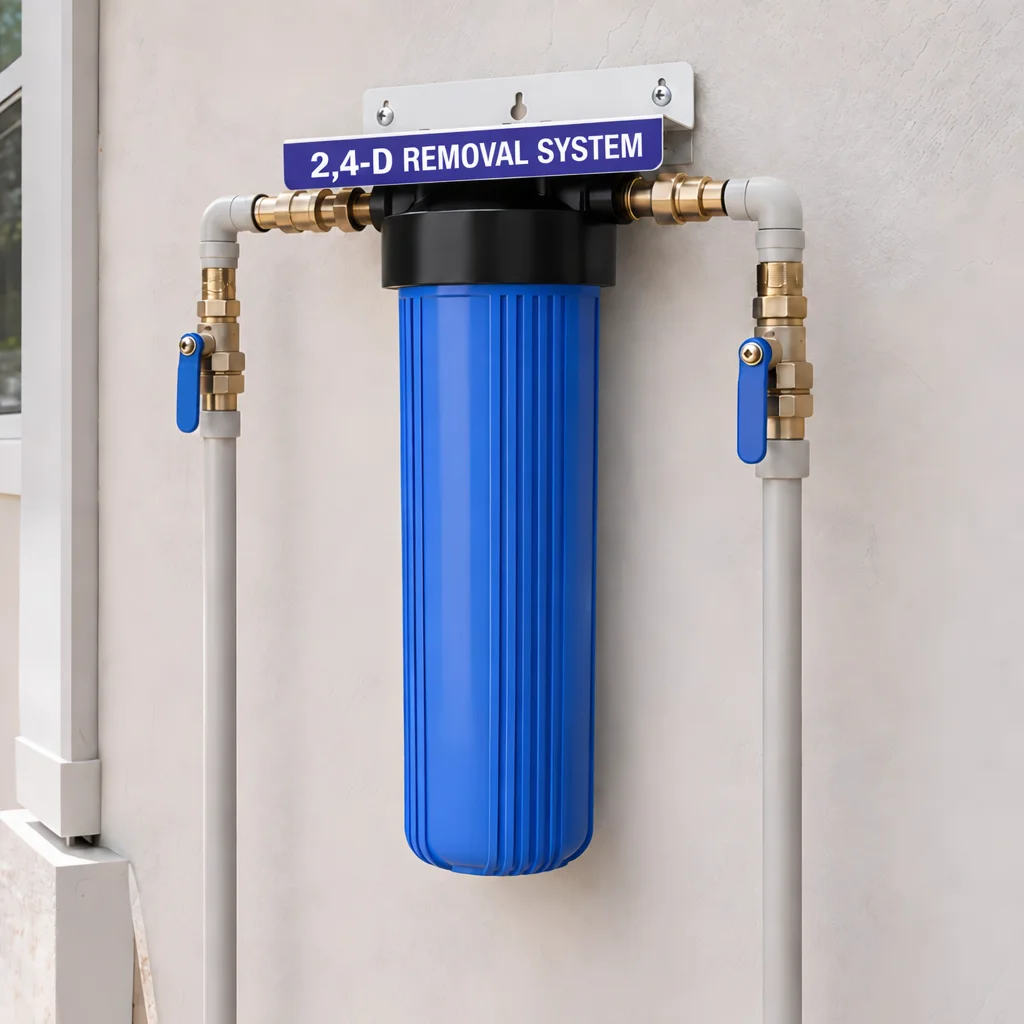
The most effective single-filter choice for whole-house reduction of 2,4-D is an activated carbon system. Catalytic or coconut-shell activated carbon adsorbs many organic chemicals, including a variety of herbicides, by capturing them in the carbon’s porous surface. Performance depends on contact time, so selecting the right tank size and flow rate is important to ensure good reduction at showers, sinks, and appliances in homes across the Miami metro area where water is typically hard.
A whole-house carbon filter is mounted on the main water line so treated water reaches every part of the home, and sediment pre-filtration is often used to protect the carbon and preserve flow. Because activated carbon has a limited capacity, routine media replacement keeps 2,4-D reduction consistent over time. Mr. Pure Water can help University Park homeowners choose a correctly sized whole-house carbon system based on your household use, local water hardness, and any lab test results so you get reliable protection without guesswork.
 305-404-8790
 info@bestwaterheater.com

