 Phone: 850-772-1365
 info@bestwaterheater.com
Phone: 850-772-1365
info@bestwaterheater.com
info@bestwaterheater.com
Phone: 850-772-1365
info@bestwaterheater.com
 Phone: 850-772-1365
info@bestwaterheater.com
Phone: 850-772-1365
info@bestwaterheater.com

Including filter system and high-performance 2-Methylisoborneol (MIB) filter.



If your Ferry Pass tap water smells earthy or musty, 2-Methylisoborneol (MIB) could be a contributor. MIB is a naturally occurring compound that can enter drinking water when certain algae or bacteria are present, and homeowners often notice it because it alters taste and odor at very low concentrations. It isn’t typically a sign of a plumbing failure, but it can make water from sinks and showers unappetizing and unpleasant to use in cooking.
Many people describe the flavor of water affected by MIB as dirt-like, moldy, or similar to “pond water,” and the problem can come and go. Because 2-Methylisoborneol is perceptible at tiny levels, standard disinfection that keeps water microbiologically safe doesn’t always remove the smell and taste. Boiling can even concentrate the odor as water evaporates, so it’s not a reliable solution. For Ferry Pass homeowners finding the issue persistent, treating water at the point it enters the house is often the most straightforward way to restore better-tasting water everywhere inside your home.
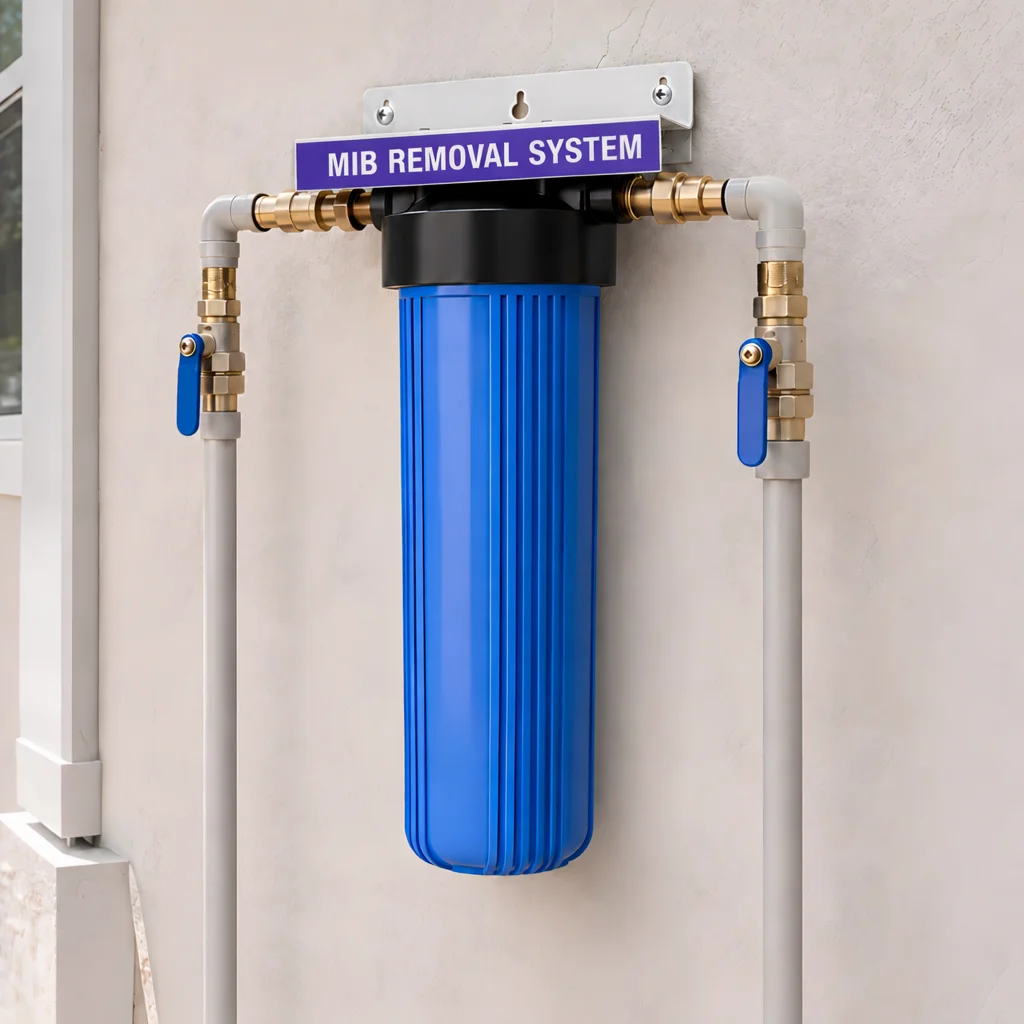
The single most effective filter type for reducing 2-Methylisoborneol is a high-quality activated carbon system — commonly catalytic carbon or high-capacity granular activated carbon (GAC). Carbon media adsorbs taste-and-odor compounds like MIB as water passes through; achieving good performance depends on having enough contact time and sufficient carbon volume. That’s why a properly sized whole-house carbon tank typically works better than small point-of-use cartridges, and it treats every faucet, shower and appliance in your Ferry Pass home without changing how you use your plumbing.
A whole-house activated carbon system configured for MIB control pairs the right flow rate with adequate media bed depth so 2-Methylisoborneol can bind to the carbon. In Ferry Pass homes this approach also helps improve general water aesthetics by reducing other odor-causing substances that may occur alongside MIB. Because carbon is a consumable media, effectiveness relies on correct sizing and periodic media replacement based on your household water use and the severity of the taste-and-odor issue. When set up properly, these systems reduce earthy or musty odors at the source before they spread through the house.
 850-772-1365
 info@bestwaterheater.com

