 Phone: 321-400-9302
 info@bestwaterheater.com
Phone: 321-400-9302
info@bestwaterheater.com
info@bestwaterheater.com
Phone: 321-400-9302
info@bestwaterheater.com
 Phone: 321-400-9302
info@bestwaterheater.com
Phone: 321-400-9302
info@bestwaterheater.com

Including filter system and high-performance 4:2 FTS filter.


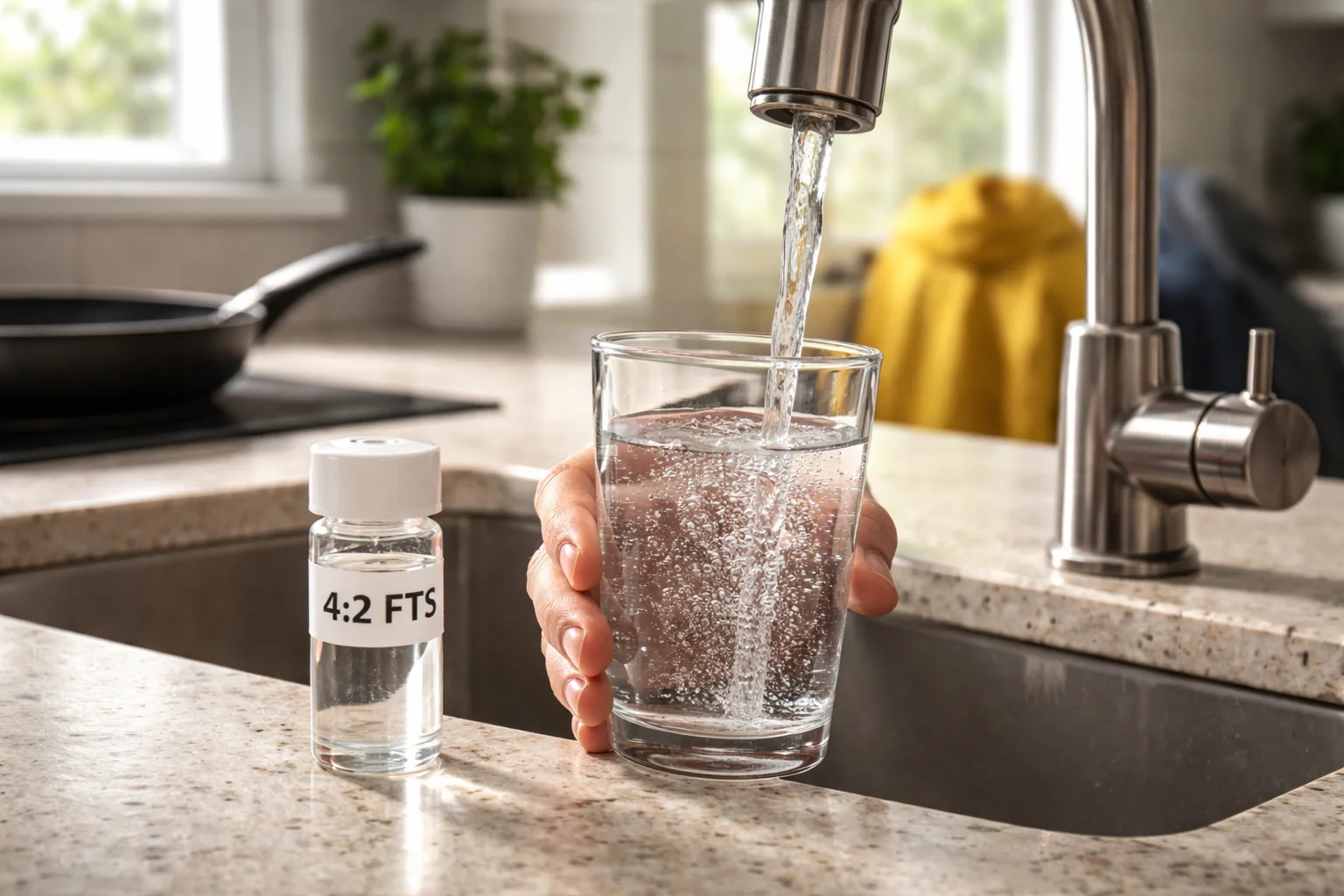
4:2 FTS is one member of the PFAS family that can travel through soil and groundwater and turn up in household water. Melbourne Beach homeowners typically hear about these chemicals from a utility advisory, a private well test, or during a home inspection, and because 4:2 FTS has no taste or smell many residents prefer to proactively limit exposure for drinking, cooking, and bathing. Addressing it means choosing treatment built for PFAS reduction rather than a basic sediment or taste filter.
Because 4:2 FTS falls under the broader PFAS category, it’s often grouped with other fluorinated compounds on test reports. Common carbon pitchers, water softeners (useful for the moderate hardness many Brevard County homes see), and standard sediment cartridges aren’t designed to remove PFAS reliably. The most dependable strategy is whole-house treatment at the main line so every tap—showers, kitchen, laundry—is covered, instead of relying on a single under-sink unit for peace of mind in Melbourne Beach.
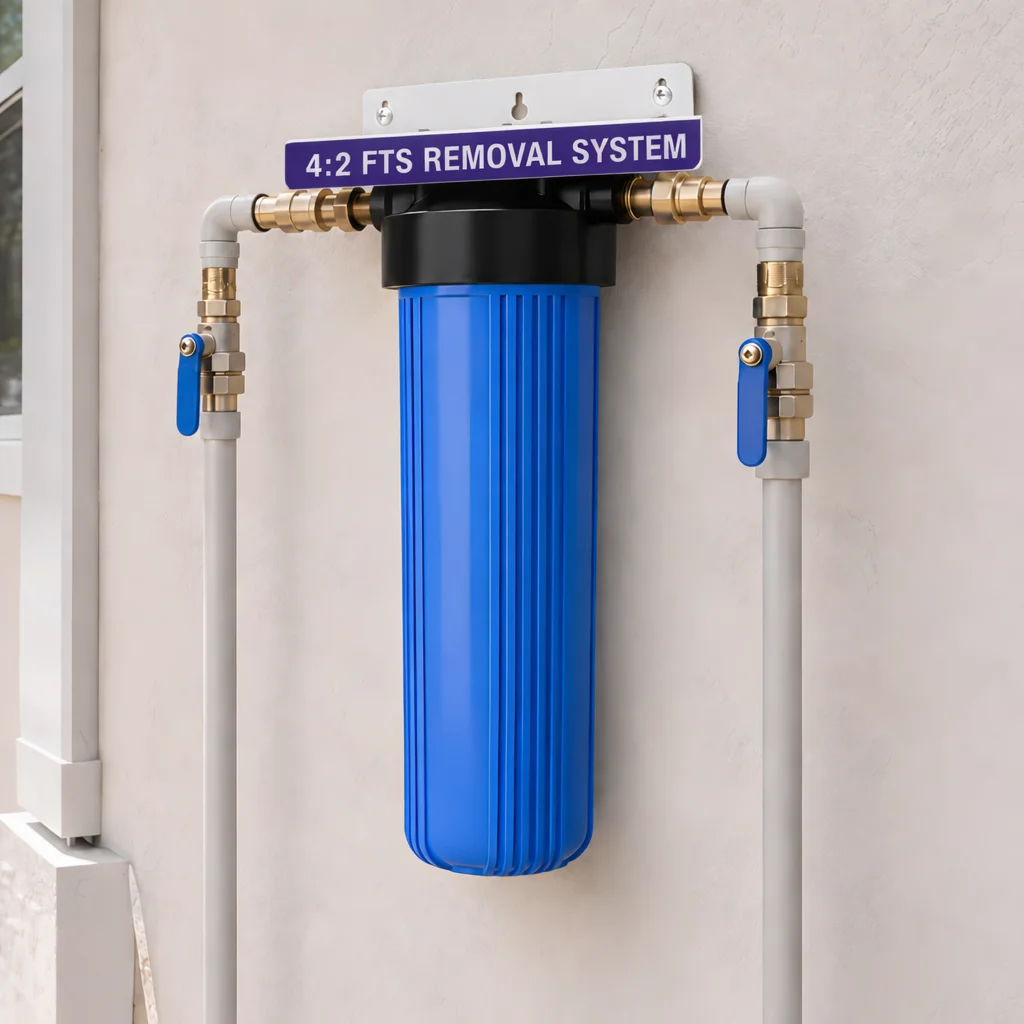
For meaningful reduction of 4:2 FTS, the top whole-house option is a high-capacity granular activated carbon (GAC) system sized specifically for PFAS removal. Activated carbon can adsorb many PFAS chemicals, but it only works well if the tank holds enough carbon and water spends enough time in contact with the media. That’s why a full-size tank-based or backwashing GAC unit is generally preferable to small inline cartridges when you want whole-home treatment in a Melbourne Beach residence.
A whole-house GAC filter is plumbed on the main water line so it treats water for every faucet and appliance in your Melbourne Beach home, from the kitchen to the shower. These systems are usually paired with a sediment prefilter to protect the carbon bed from clogging—a helpful measure where coastal sand and moderate hardness can increase particulate load. Keeping the carbon fresh and serviced is crucial because exhausted media won’t adsorb PFAS effectively; Mr. Pure Water can assess your home’s flow rate and local water conditions to recommend the right GAC system and maintenance schedule.
 321-400-9302
 info@bestwaterheater.com

