 Phone: 954-208-3500
 info@bestwaterheater.com
Phone: 954-208-3500
info@bestwaterheater.com
info@bestwaterheater.com
Phone: 954-208-3500
info@bestwaterheater.com
 Phone: 954-208-3500
info@bestwaterheater.com
Phone: 954-208-3500
info@bestwaterheater.com

Including filter system and high-performance 9Cl-PF3ONS filter.


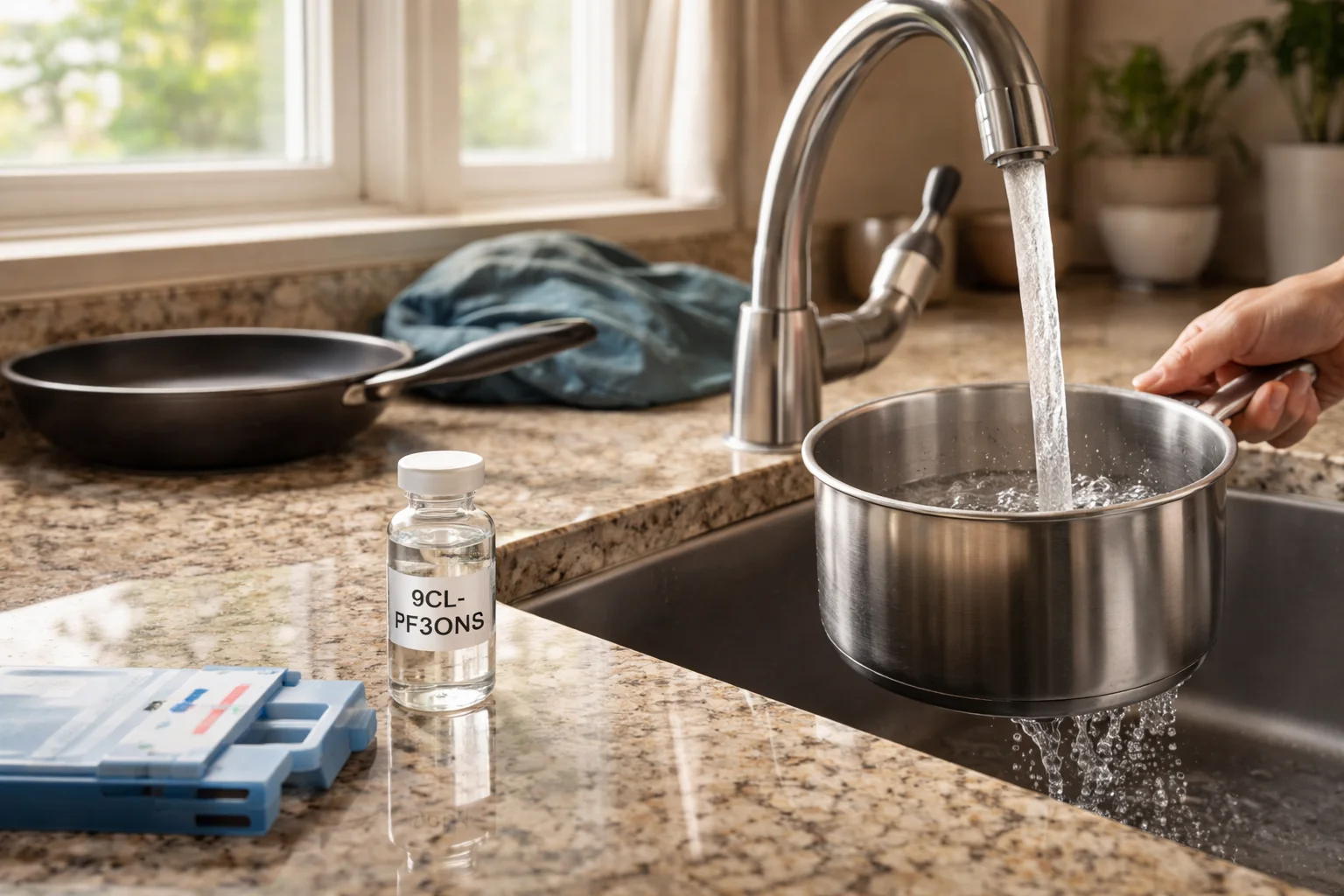
9Cl-PF3ONS is one of the PFAS compounds homeowners may be concerned about in drinking water, and those worries are understandable even when water appears clear. Because PFAS are persistent, small pitchers or basic sediment cartridges won’t reliably address them. In Bay Harbor — where municipal water in the Miami area is typically hard and scale can be a regular nuisance — a whole-house solution treats water as it enters the house so bathing, laundry, cooking and all faucets receive the same cleaner water.
Trace contaminants like 9Cl-PF3ONS can be present without noticeable taste or odor, and common softeners or standard carbon blocks geared toward chlorine don’t usually remove PFAS. Many Bay Harbor homeowners begin by reviewing local water quality information and then choose a targeted treatment that fits family routines. The right whole-house system reduces contaminants consistently while maintaining good water pressure and usability throughout homes in Miami-Dade County.
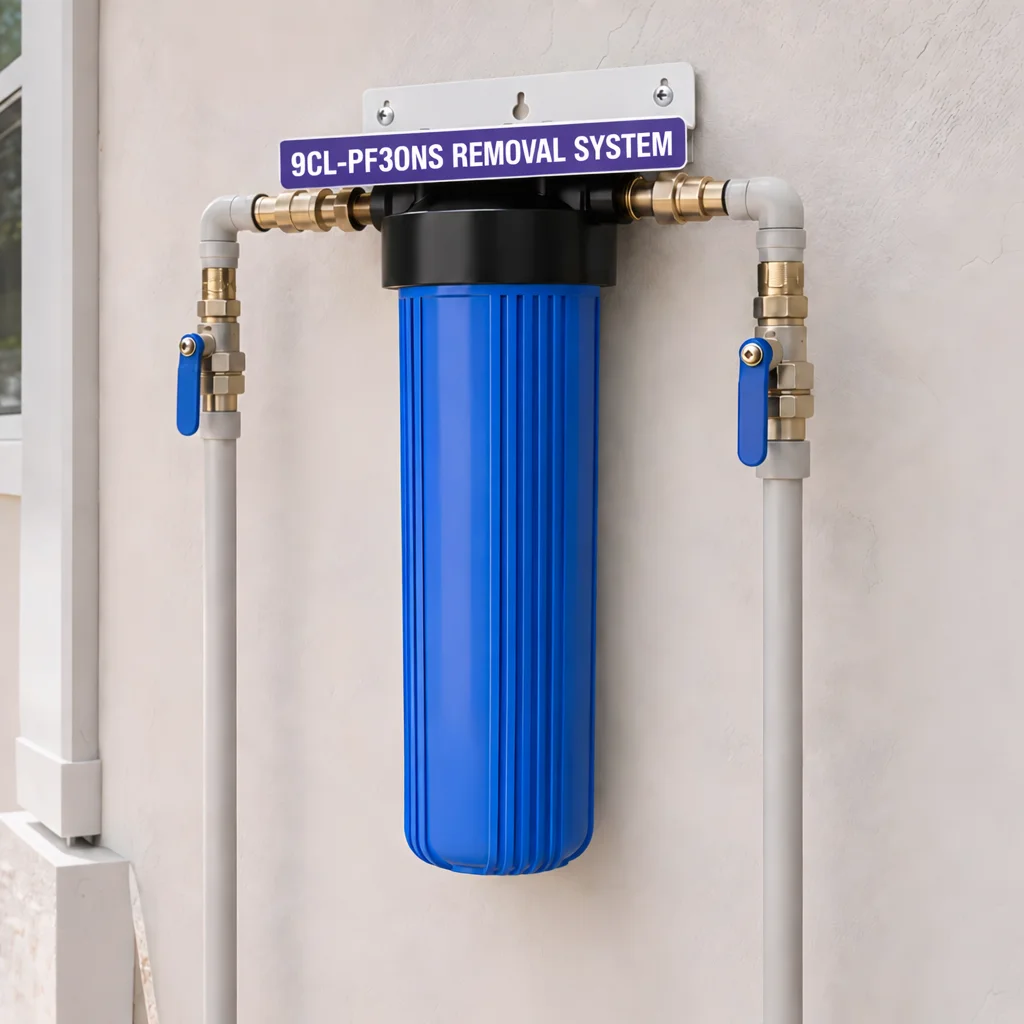
To reduce 9Cl-PF3ONS across an entire home, the most effective single option is a high-capacity activated carbon media tank built for PFAS adsorption. This is a large bed of specialized carbon that gives water extended contact time so PFAS can bind to the media. Compared with small cartridge filters, a media tank offers longer life and higher throughput for every tap in your Bay Harbor residence rather than treating just one point of use.
A whole-house carbon media tank works best when sized to your home’s flow rate and water use so contact time is maintained — an important consideration for Bay Harbor houses where hard water and scale can affect system performance. Typical installations include a sediment prefilter to protect the carbon from premature clogging, while the carbon tank performs the PFAS reduction. Media will eventually need replacement to keep removal effective; Mr. Pure Water can assess homes in Bay Harbor and recommend the right carbon media configuration for treating 9Cl-PF3ONS at the entry point.
 954-208-3500
 info@bestwaterheater.com

