 Phone: 850-772-1365
 info@bestwaterheater.com
Phone: 850-772-1365
info@bestwaterheater.com
info@bestwaterheater.com
Phone: 850-772-1365
info@bestwaterheater.com
 Phone: 850-772-1365
info@bestwaterheater.com
Phone: 850-772-1365
info@bestwaterheater.com

Including filter system and high-performance Acrylonitrile filter.


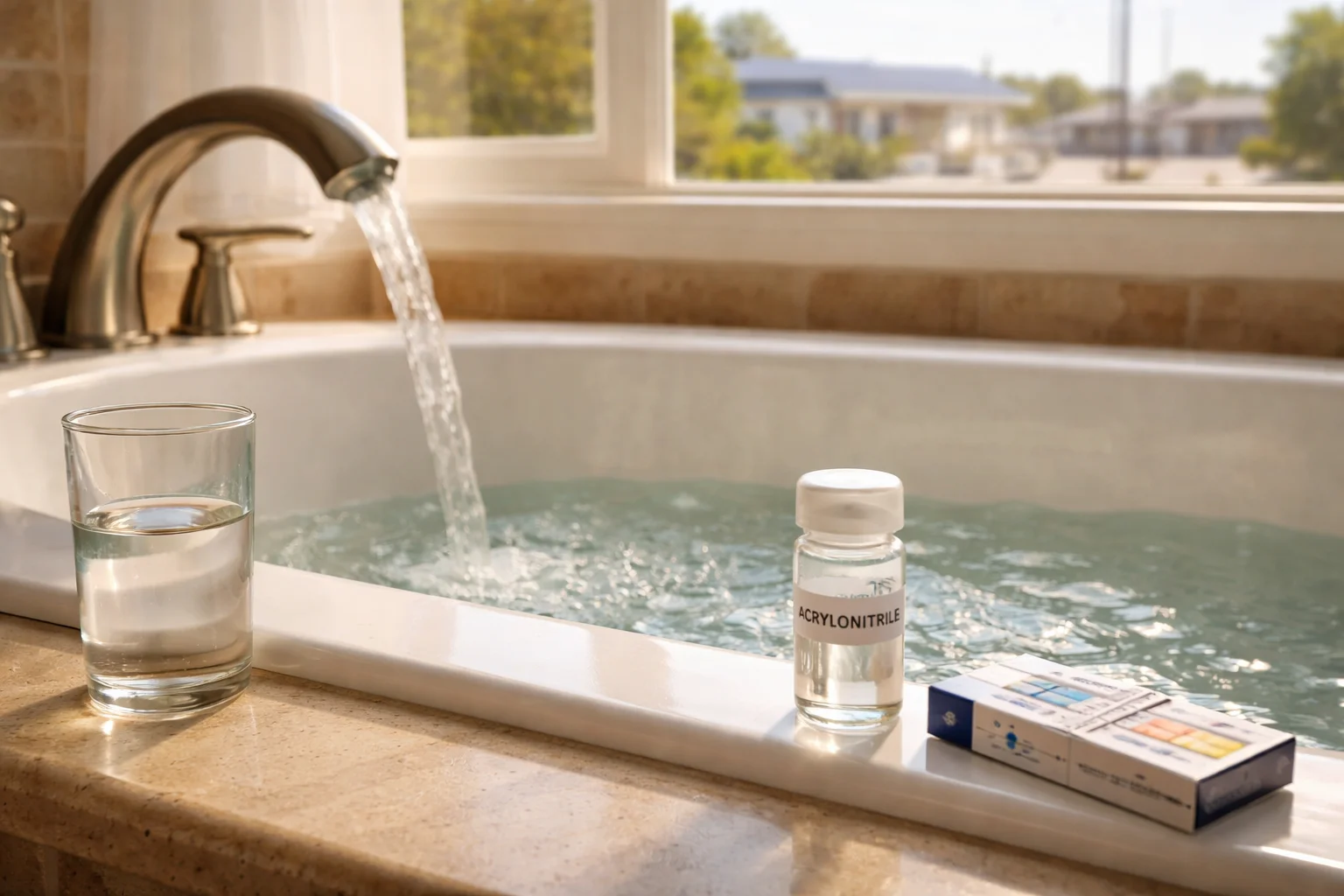
Acrylonitrile is an industrial chemical used in the production of some plastics, synthetic rubber and fibers. It can reach drinking water through industrial releases, accidental spills, or leaching from contaminated materials. Because it’s colorless and odorless at low levels, testing is the only reliable way to know whether acrylonitrile is present in your household supply — a practical first step for Holland Crossroads homeowners who want peace of mind.
Many families around Holland Crossroads take a cautious approach even before testing confirms a contaminant. Acrylonitrile is often grouped with volatile organic compounds (VOCs), which can affect water quality without obvious signs. While a point-of-use filter can protect a single tap, it won’t treat every shower, sink or appliance. A whole-house system ensures all water entering your home receives the same level of protection.
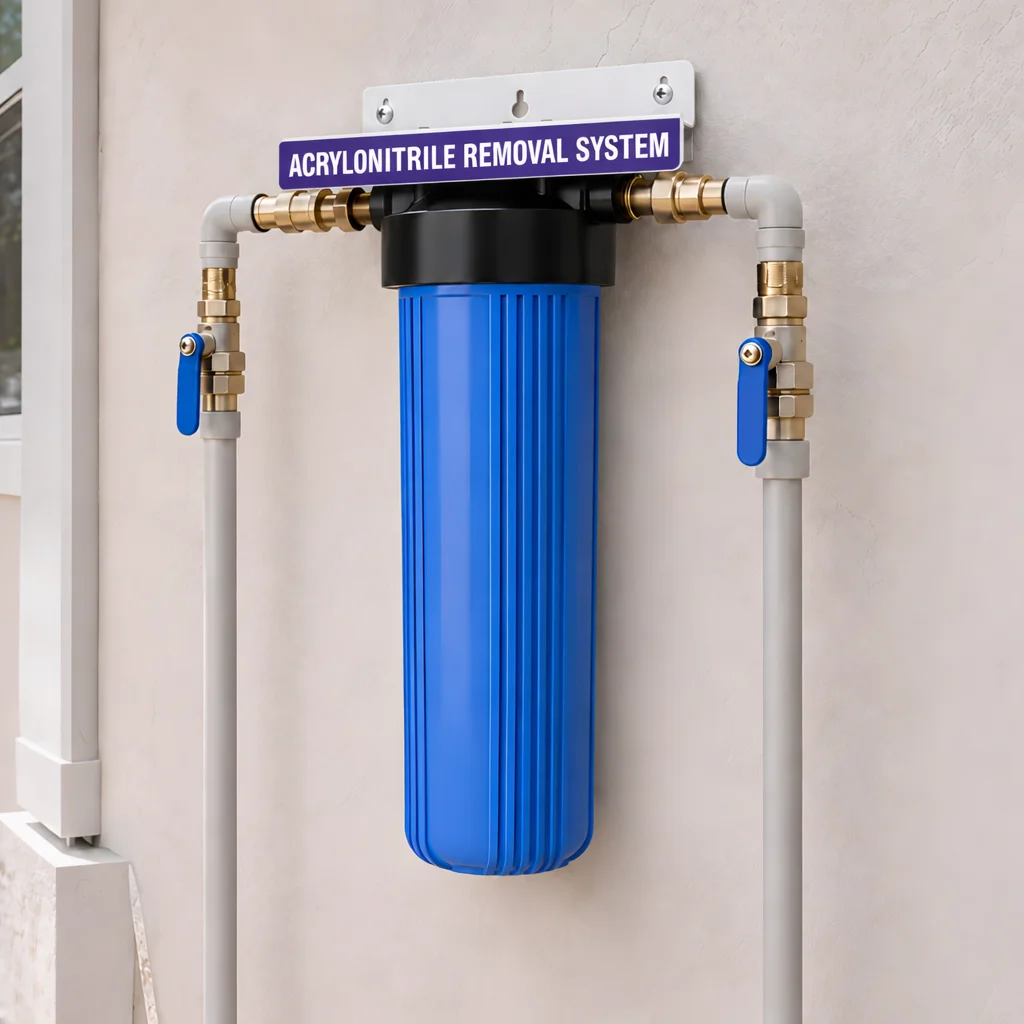
The most effective whole-house option for reducing acrylonitrile is a high-quality activated carbon filter designed for VOC removal. Activated carbon reduces many organic chemicals by adsorbing them onto its large internal surface area as water flows through the media. Installed at the main water entry for a Holland Crossroads home, this type of system can lower acrylonitrile before water reaches kitchen taps, bathroom fixtures and laundry appliances.
Because adsorption depends on contact time and the amount of carbon, a properly sized tank-style activated carbon filter is generally preferred for whole-house use over small inline cartridges. Sized to your home’s flow rate, a tank system preserves adequate exposure time while maintaining good water pressure. Regular media replacement is important so the carbon continues to perform. Mr. Pure Water in Holland Crossroads can help you choose and size a whole-house activated carbon system whether you’re responding to test results or taking preventative measures.
 850-772-1365
 info@bestwaterheater.com

