 Phone: 305-404-8790
 info@bestwaterheater.com
Phone: 305-404-8790
info@bestwaterheater.com
info@bestwaterheater.com
Phone: 305-404-8790
info@bestwaterheater.com
 Phone: 305-404-8790
info@bestwaterheater.com
Phone: 305-404-8790
info@bestwaterheater.com

Including filter system and high-performance Ammonia filter.


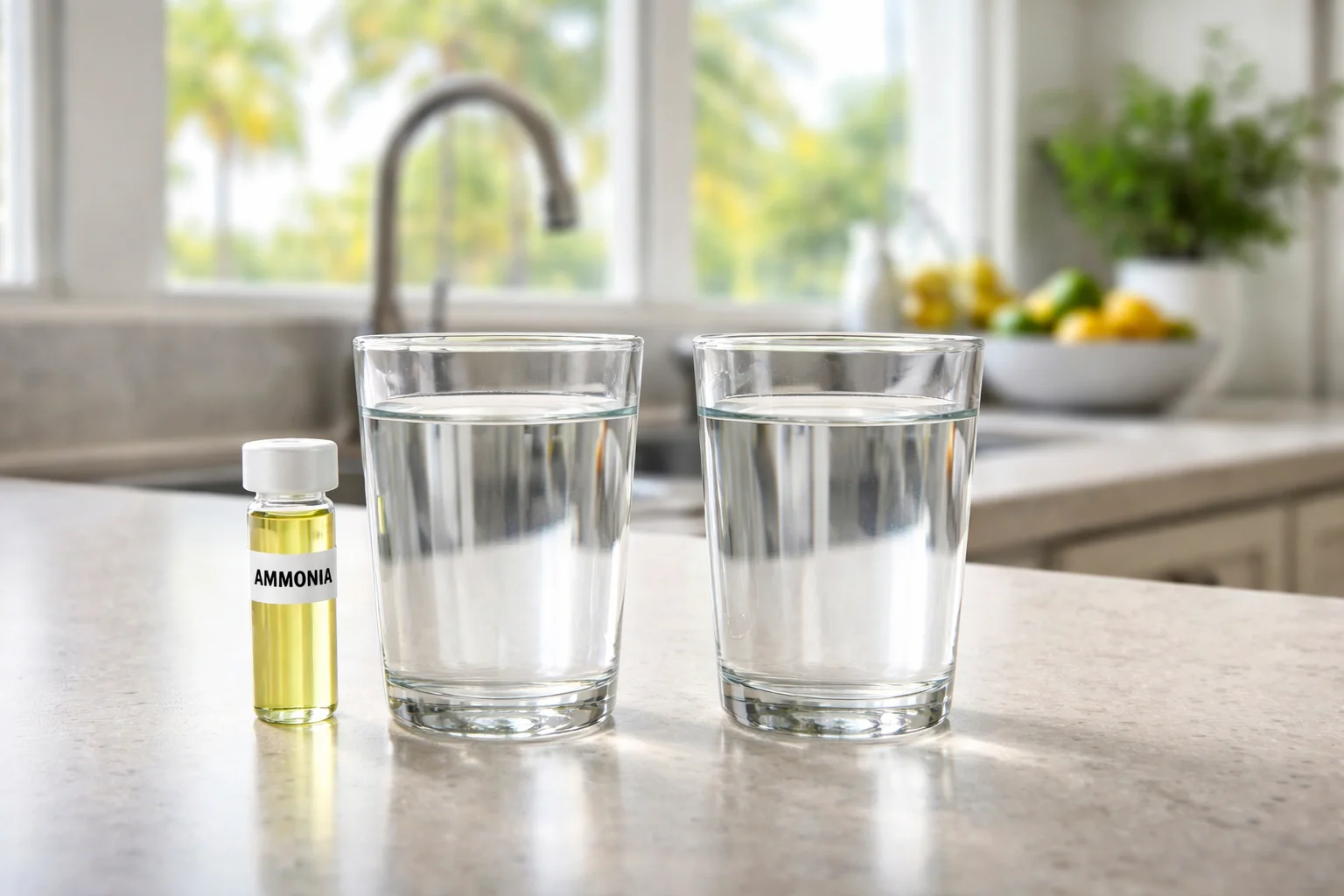
Homeowners in Conch Key may first notice ammonia or ammonium when water develops an unusual taste or smell, or when testing shows it as an issue. In water chemistry these two names describe related forms that shift with pH and temperature. Ammonia can come from natural breakdown of organic material, certain treatment steps, or runoff, and many island residents choose to address the problem where water enters their home so every tap is protected.
Beyond off tastes and odors, ammonia and ammonium can cause practical headaches—especially in coastal settings like Conch Key where salty air and hard water already put stress on plumbing. When disinfectants are present, ammonia can contribute to chloramine-related taste and odor problems and can complicate some filtration methods if the wrong system is used. Because ammonia is dissolved, it won’t be removed by a basic sediment filter; a whole-house solution ensures consistent water quality for showers, appliances and outdoor taps along the Overseas Highway corridor.
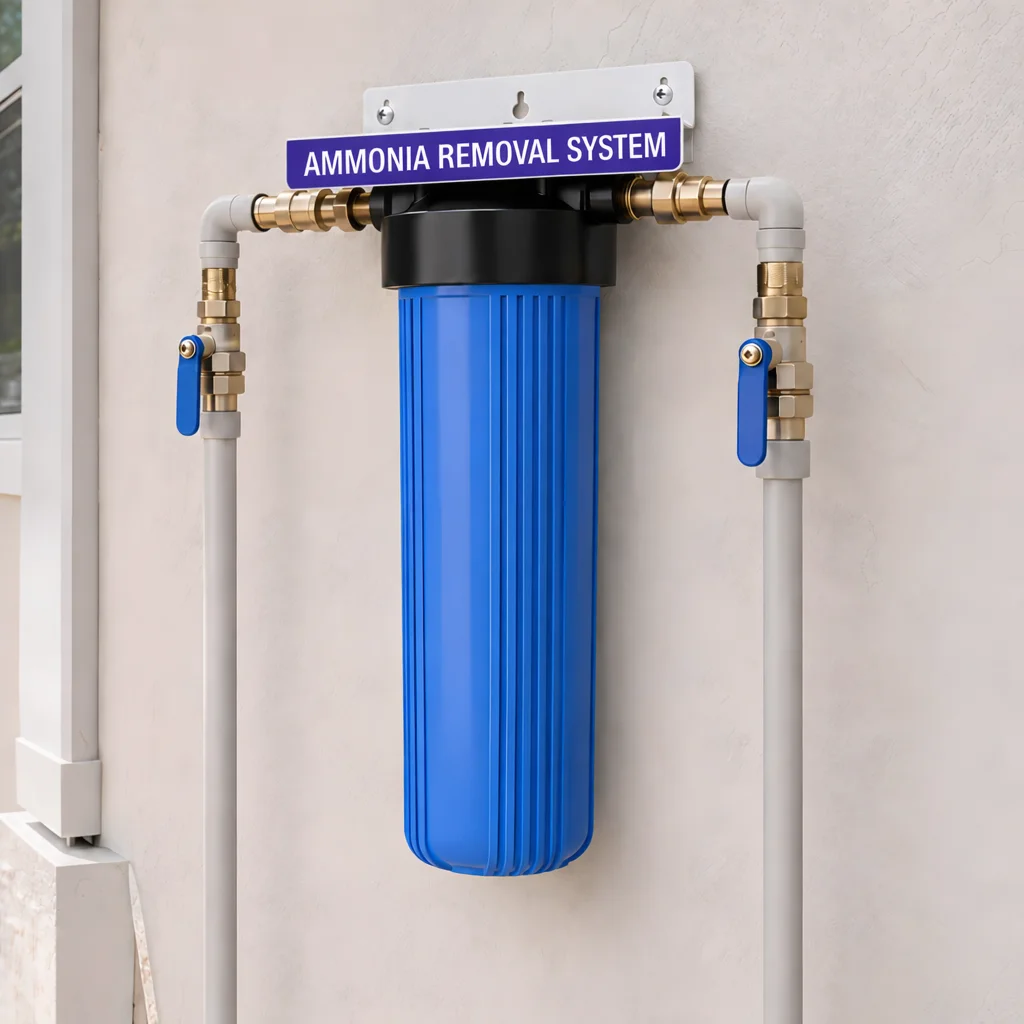
For treating ammonia throughout a Conch Key home, a correctly sized ion exchange system using cation exchange resin is the most effective single-filter option. This media captures ammonium as water passes through, reducing the amount that reaches fixtures and appliances. Ion exchange operates differently than carbon—which is better for many tastes and odors but not the primary choice for dissolved ammonium—so picking the right resin and tank size is important for dependable performance in our tropical maritime climate.
An ion exchange ammonia system is typically installed at the main water line so the whole house—cistern-fed or municipal—gets treated, which is especially useful for Conch Key properties where every outlet experiences hard water and coastal conditions. These systems require routine service such as regeneration or media replacement depending on design and local water quality. Adding a sediment pre-filter helps protect the resin from fouling and maintains flow, making whole-house ion exchange a practical way to reduce ammonia and ammonium and improve daily water use.
 305-404-8790
 info@bestwaterheater.com

