 Phone: 561-300-5075
 info@bestwaterheater.com
Phone: 561-300-5075
info@bestwaterheater.com
info@bestwaterheater.com
Phone: 561-300-5075
info@bestwaterheater.com
 Phone: 561-300-5075
info@bestwaterheater.com
Phone: 561-300-5075
info@bestwaterheater.com

Including filter system and high-performance Antimony filter.


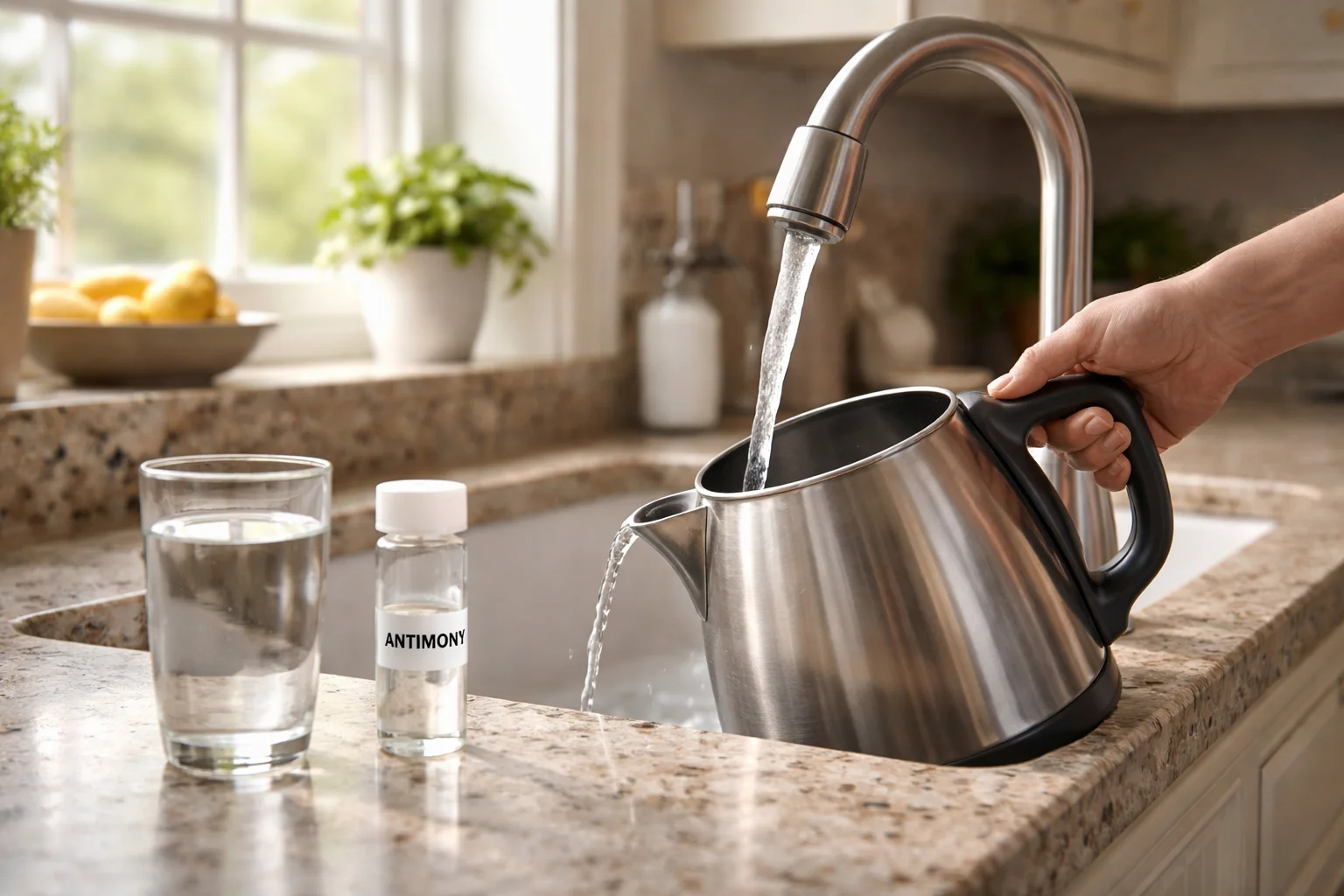
Antimony is a naturally occurring element that can show up in drinking water at low levels, and it’s also used in some industrial processes. When it gets into a water supply, it’s usually present as dissolved ions that you can’t see, smell, or taste. Because it’s not obvious at the tap, homeowners typically learn about it through a water test or a utility report. If you’re seeing elevated results, it makes sense to treat it at the point where water enters the home.
In a house, antimony doesn’t just affect one faucet, since the same incoming water feeds showers, sinks, laundry, and appliances. Some people start looking for solutions after noticing changes in overall water quality, while others want a precautionary approach based on testing. Either way, the goal is consistent reduction rather than guessing with small under-sink add-ons. A whole-house system can help you manage antimony as part of a broader plan to address metals in your water.
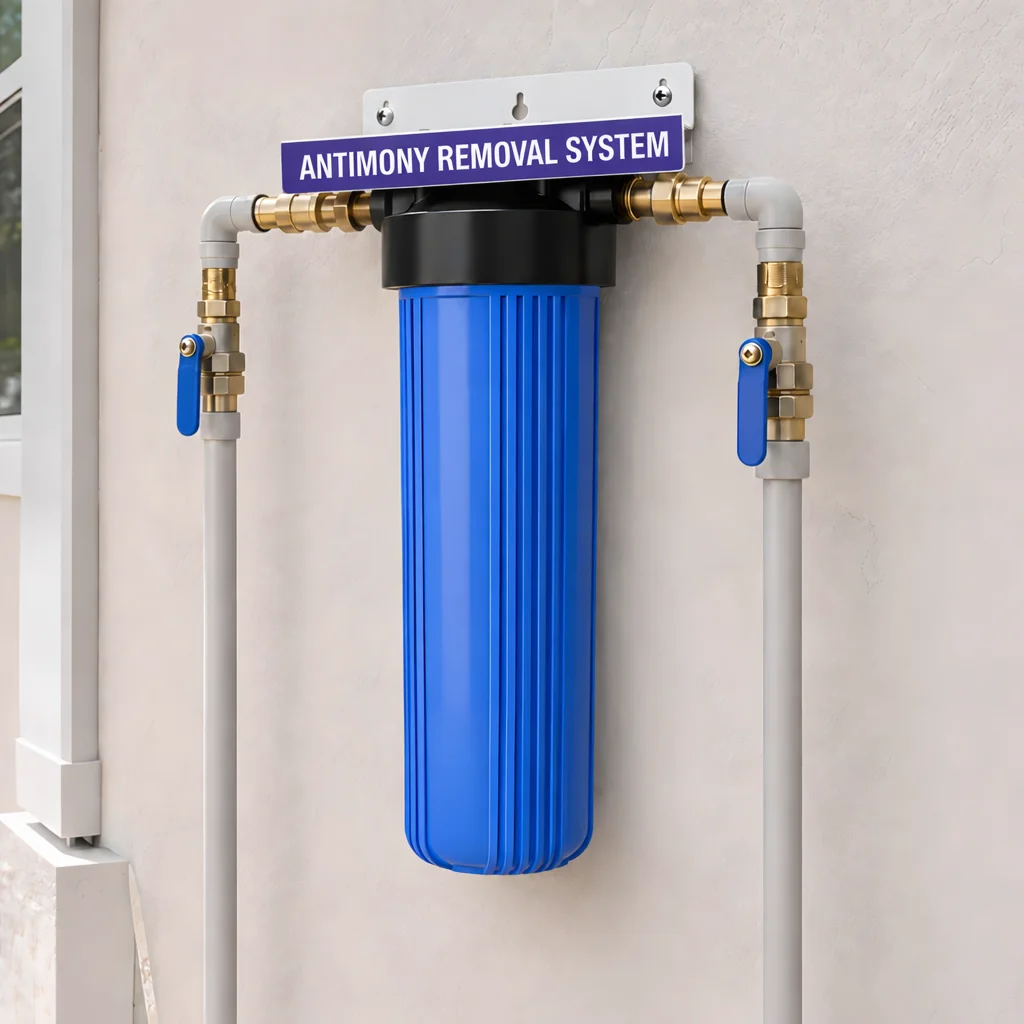
For reducing antimony, a whole-house reverse osmosis system is often the most effective single filter type, because it uses a semipermeable membrane to lower many dissolved contaminants. Antimony in water is typically in a dissolved form that standard sediment filtration won’t capture. With reverse osmosis, water is pushed through the membrane while unwanted ions are rejected and routed away. That makes it a strong choice when you want meaningful reduction at the source for the entire home.
A properly designed whole-house reverse osmosis setup also includes prefiltration to protect the membrane and keep performance steady over time. The prefilters help remove sediment and other materials that can foul the membrane, while the RO stage does the heavy lifting on dissolved metals like antimony. Maintenance matters, since timely filter and membrane changes help sustain removal and flow. Mr. Pure Water can help you choose a system sized for your household so every tap benefits, not just the kitchen sink.
 561-300-5075
 info@bestwaterheater.com

