 Phone: 772-290-5223
 info@bestwaterheater.com
Phone: 772-290-5223
info@bestwaterheater.com
info@bestwaterheater.com
Phone: 772-290-5223
info@bestwaterheater.com
 Phone: 772-290-5223
info@bestwaterheater.com
Phone: 772-290-5223
info@bestwaterheater.com

Including filter system and high-performance Arsenic filter.


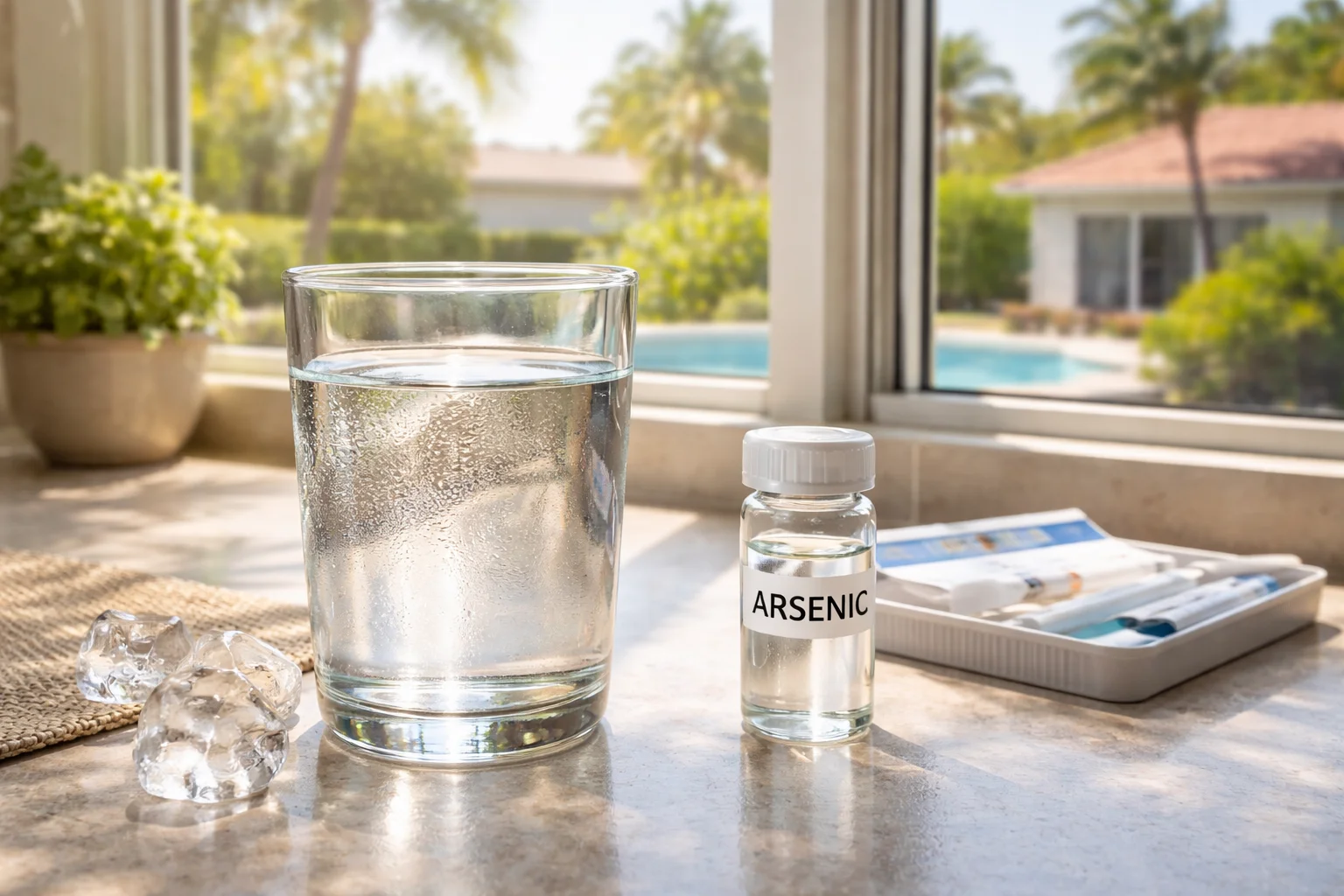
Arsenic is a naturally occurring element that can enter drinking water when groundwater or supply sources interact with certain rocks and soils. Because it usually lacks a noticeable taste, smell, or color at levels homeowners might encounter, it often goes undetected without laboratory testing. In Naples, whether you get results from a city report, a private well test, or a utility notice, seeing arsenic on a lab sheet is a good reason to consider reducing long-term exposure at every faucet in your home.
Arsenic shows up in water in different chemical forms, commonly arsenic(III) and arsenic(V), and the form present affects which treatment will work best. Concentrations can change over time, so a single test may not represent conditions year-round. The smartest approach in Naples is to match your filtration choice to the specifics of your water chemistry—especially in an area with hard water and coastal influences—so you get steady, predictable removal performance.
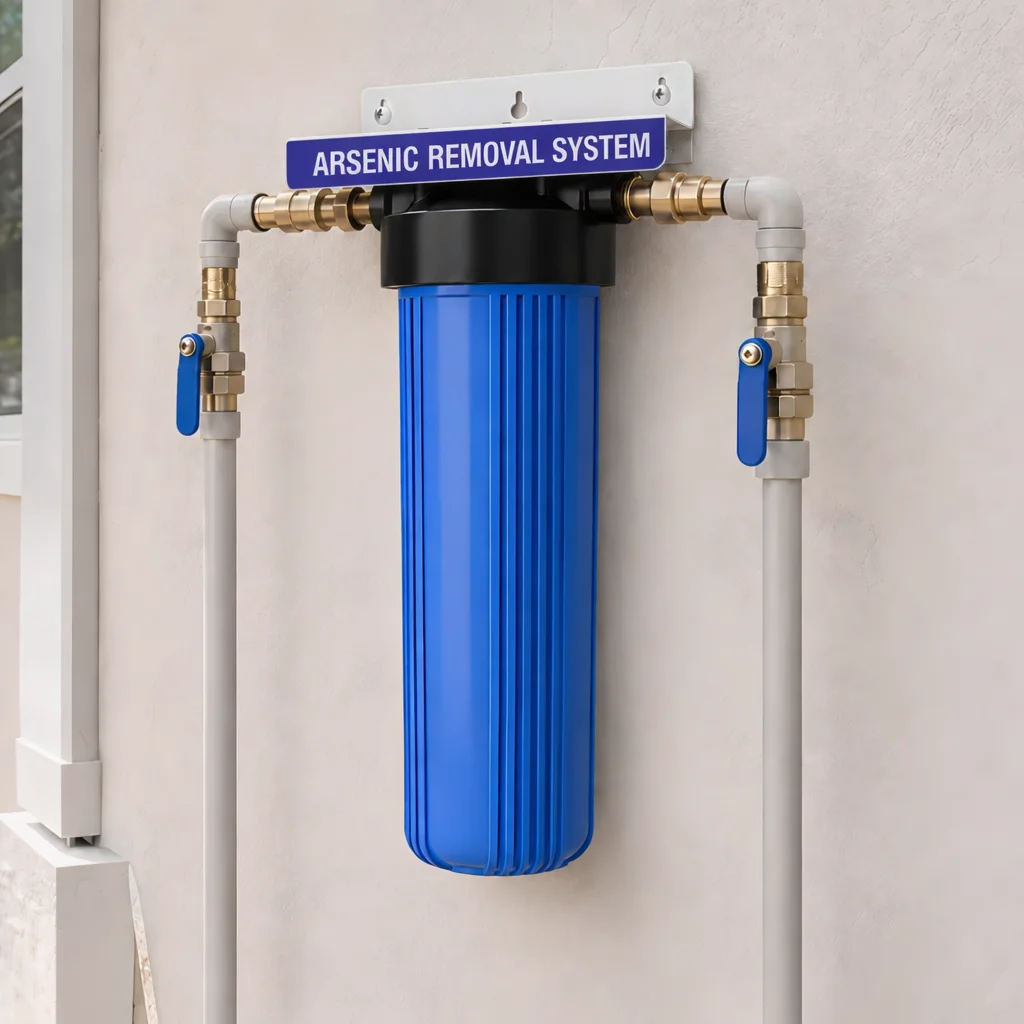
For whole-house arsenic control, a dedicated adsorptive media filter is often the most effective single-filter option for homes. These systems use specialized iron-oxide–based or similar media that bind arsenic as your water flows through the tank. Installed where water enters your Naples home, they help reduce arsenic in showers, sinks, laundry and cooking water and address dissolved contaminants rather than only sediment or taste-and-odor problems.
Sizing and setup for an adsorptive media system depend on your water test results and household flow demands, so a system for a Naples house will be tailored to those specifics. If your arsenic exists more as arsenic(III), a simple pre-treatment such as oxidation may be suggested so the media can capture it more effectively. Regular media or cartridge replacements and periodic checks keep the system reliable—Mr. Pure Water can help evaluate your water report, recommend the right whole-house adsorptive media filter, and ensure it’s configured for local conditions like hard water and coastal wear.
 772-290-5223
 info@bestwaterheater.com

