 Phone: 407-214-2646
 info@bestwaterheater.com
Phone: 407-214-2646
info@bestwaterheater.com
info@bestwaterheater.com
Phone: 407-214-2646
info@bestwaterheater.com
 Phone: 407-214-2646
info@bestwaterheater.com
Phone: 407-214-2646
info@bestwaterheater.com

Including filter system and high-performance Barium filter.


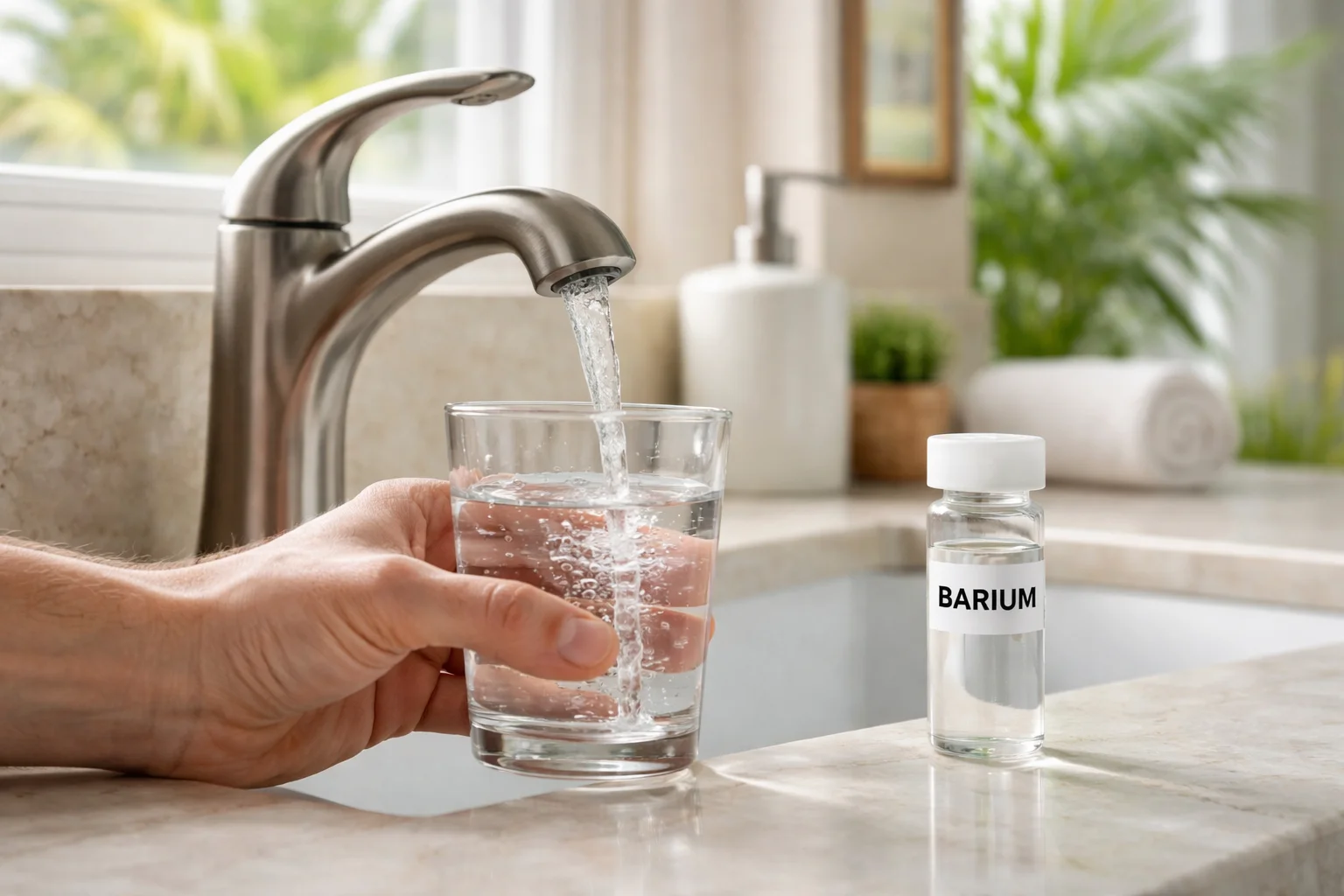
Barium is a naturally occurring metal that can leach into groundwater as it moves through certain rock and soil types. In Plymouth households it’s often invisible — you won’t be able to see, smell, or taste it — so the only reliable way to know if it’s present is through a water test or your utility’s report. If you’re in the Orlando metro area and worried about barium, start by identifying it and then choose a treatment designed for dissolved metals.
Dissolved barium behaves differently than suspended sediment or chlorine-related taste and odor problems, so a basic cartridge filter made for dirt or rust usually won’t remove barium ions. Many Plymouth homeowners prefer whole-house treatment that targets inorganic contaminants where the water enters the home, so every tap — from the kitchen to the shower after a humid Florida afternoon — receives treated water consistently.
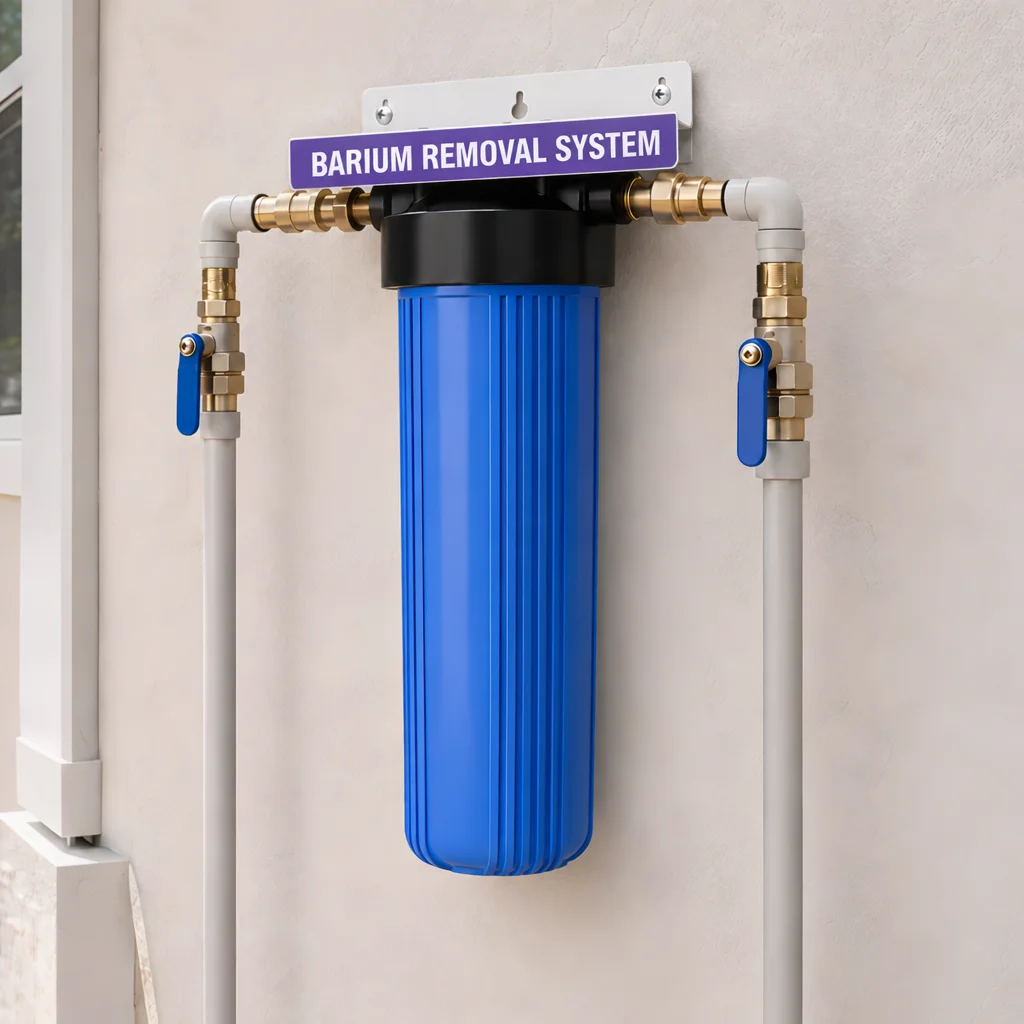
For whole-home reduction of barium, the most effective single style is a salt-based ion exchange water softener. Ion exchange replaces certain dissolved ions with sodium or potassium on a resin bed; because barium behaves like other hardness minerals common to Central Florida groundwater, the resin can capture it as water passes through. Installed at the main service line, this approach treats water for the entire house rather than relying on small point-of-use units.
A correctly sized ion exchange system is matched to your household water use and the mineral profile shown in testing, and it must be regenerated on an appropriate schedule to maintain performance. If the resin tank is too small or regeneration is neglected, effectiveness can decline. In Plymouth, where hard water and mineral buildup are common, many systems also include a prefilter to protect the resin from sediment. Mr. Pure Water can help you choose a whole-house setup based on your test results so barium reduction is dependable at every tap.
 407-214-2646
 info@bestwaterheater.com

