 Phone: 772-290-5223
 info@bestwaterheater.com
Phone: 772-290-5223
info@bestwaterheater.com
info@bestwaterheater.com
Phone: 772-290-5223
info@bestwaterheater.com
 Phone: 772-290-5223
info@bestwaterheater.com
Phone: 772-290-5223
info@bestwaterheater.com

Including filter system and high-performance Bisphenol A (BPA) filter.


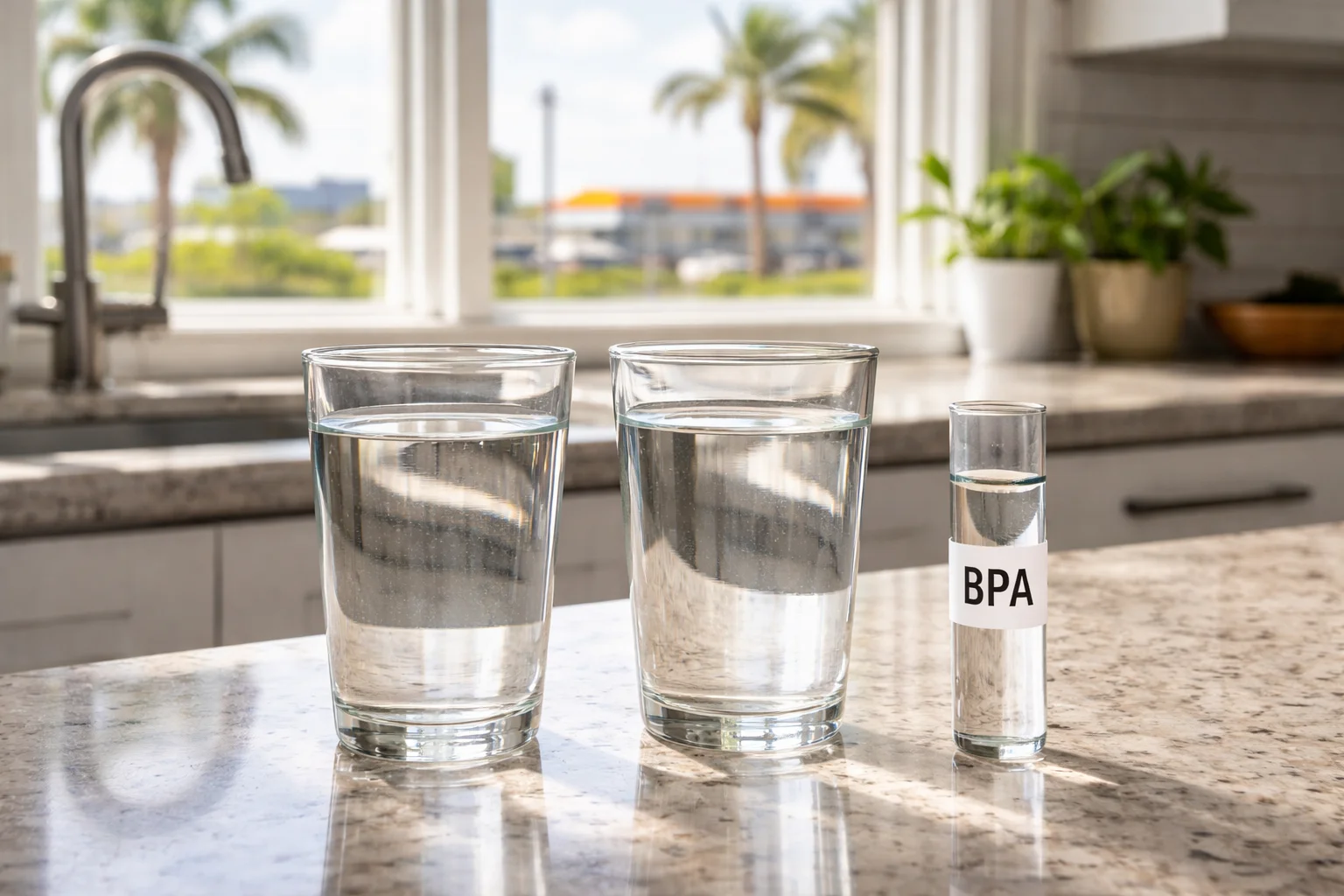
Bisphenol A (BPA) is a man-made chemical used in some plastics and resins that can sometimes end up in water supplies in very small amounts. Many people know BPA from food packaging, but it can also reach water during manufacturing, storage, or when plastic contacts water at any stage. Because BPA tends to be a trace contaminant, you’re unlikely to detect it by taste, smell, or appearance. Homeowners in Hooker Point who want to reduce overall chemical exposure often choose steps to limit BPA in their household water.
BPA is frequently described as an “emerging” contaminant because it can occur at low concentrations that simple sediment filters won’t remove. It can enter water through contact with certain plastics, liners, or coatings, or via environmental pathways affecting source water. Swapping to BPA-free kitchen items helps, but that doesn’t treat water coming through every tap. For Hooker Point residents, a whole-house filtration strategy provides consistent treatment for drinking, cooking, bathing, and laundry across the home.
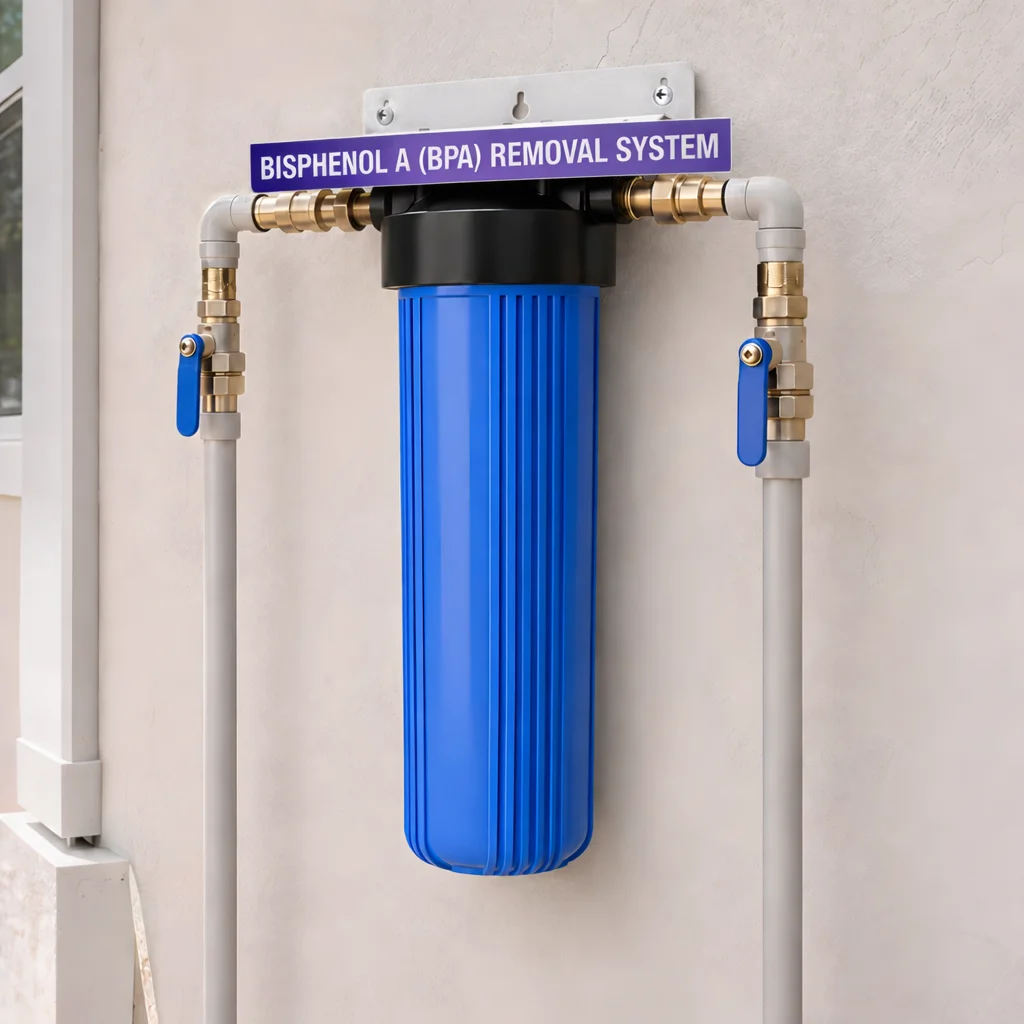
The most effective single-filter choice for reducing Bisphenol A (BPA) in household water is a high-quality activated carbon filter. Carbon removes many organic compounds through adsorption, trapping trace contaminants as water flows through the media. Installed at the point of entry in a whole-house arrangement, an activated carbon filter treats all incoming water to the home so BPA reduction isn’t confined to one faucet but applies throughout your Hooker Point house.
Not all carbon filters are created equal — performance depends on factors like carbon type, contact time, and whether the system is sized correctly for your home’s flow. A properly sized whole-house activated carbon unit increases water-to-carbon contact and boosts reduction of contaminants such as BPA. It also covers the whole house, avoiding the limitations of countertop pitchers or single-faucet devices. Mr. Pure Water can help Hooker Point homeowners choose and size a whole-house carbon solution so filtration remains effective with the area’s humid subtropical climate and variable mineral conditions.
 772-290-5223
 info@bestwaterheater.com

