 Phone: 561-300-5075
 info@bestwaterheater.com
Phone: 561-300-5075
info@bestwaterheater.com
info@bestwaterheater.com
Phone: 561-300-5075
info@bestwaterheater.com
 Phone: 561-300-5075
info@bestwaterheater.com
Phone: 561-300-5075
info@bestwaterheater.com

Including filter system and high-performance Blue-Green Algae (Cyanobacteria) filter.


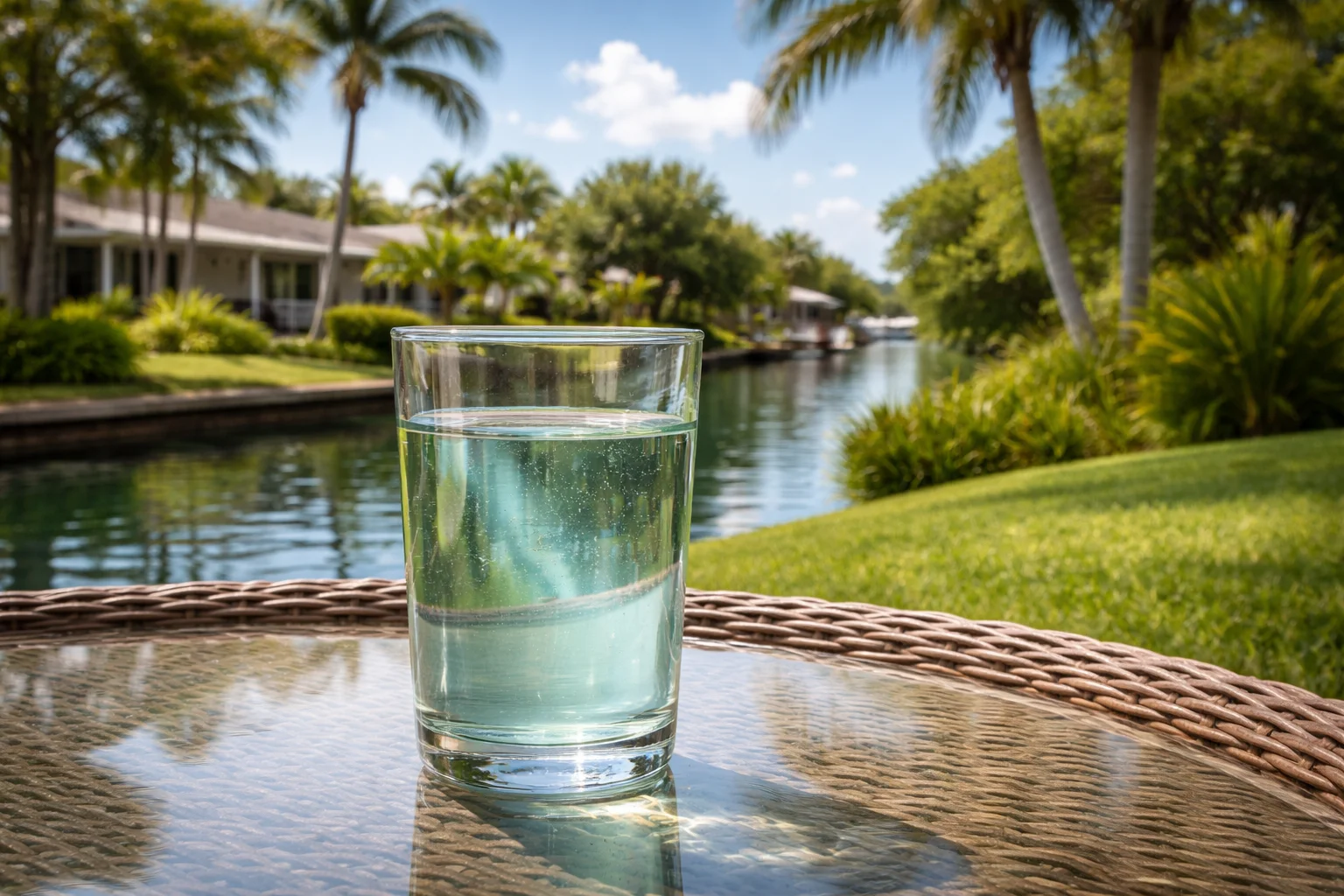
Blue-green algae, often called cyanobacteria, can flourish when conditions in source water favor growth. Homeowners in Wellington may notice an earthy or musty smell, odd taste, or occasional discoloration that makes water less appealing. While blooms are frequently talked about for lakes and ponds, the practical worry for a house is whether algae cells or their byproducts get into the water you use every day. If you think you’re seeing signs, identifying the likely source and selecting treatment that targets suspended particles is a good first step.
Not every change in water quality means cyanobacteria — sediment, organic debris, or stagnant plumbing can produce similar smells and appearance. Algae-related issues can be intermittent, shifting with source water conditions or treatment at the utility. In Wellington and greater Palm Beach County, where hard municipal water is common, consistency matters for cooking, bathing and appliance performance. Treating water at the point of entry protects every faucet and fixture throughout your home, so you get the same clearer water in the kitchen, bathroom and laundry.
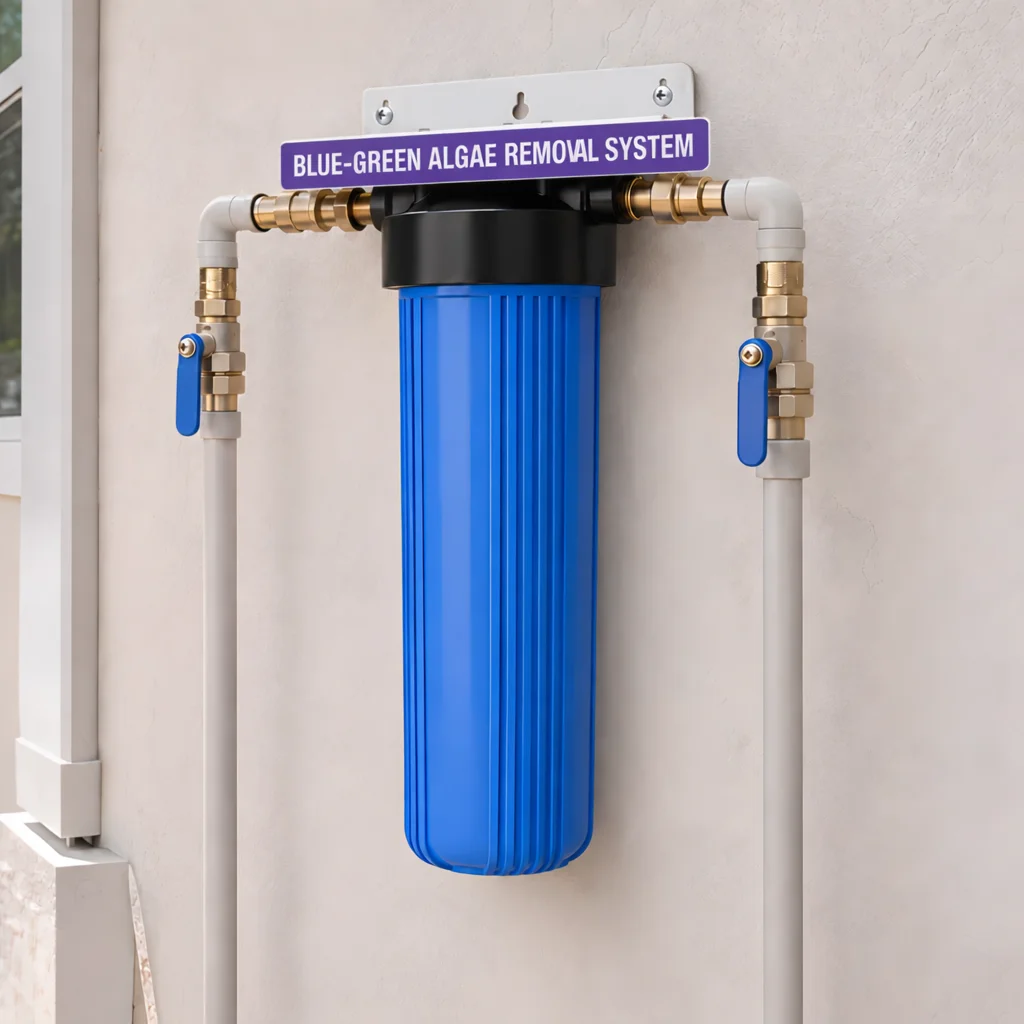
The most effective single filter style for removing blue-green algae and cyanobacteria particles is a fine mechanical barrier. A whole-house sediment filter with a tight micron rating will physically trap algae cells before they move through your plumbing, focusing on capture rather than masking odors or relying on chemicals. In Wellington homes, this approach also cuts down on other visible particulates that often travel with algae, helping water look and feel cleaner at every tap.
Because cyanobacteria sizes can vary and arrivals may be sporadic, correct sizing and steady flow are essential for dependable filtration. Installing a whole-house sediment filter at the point of entry treats all incoming water so showers, laundry and faucets in Wellington receive the same protection. Regular cartridge changes maintain performance — especially during the wet, summer months when more suspended material can enter the system — and if taste or odor persists after particle removal, additional treatments can be added on top of the mechanical filtration.
 561-300-5075
 info@bestwaterheater.com

