 Phone: 321-400-9302
 info@bestwaterheater.com
Phone: 321-400-9302
info@bestwaterheater.com
info@bestwaterheater.com
Phone: 321-400-9302
info@bestwaterheater.com
 Phone: 321-400-9302
info@bestwaterheater.com
Phone: 321-400-9302
info@bestwaterheater.com

Including filter system and high-performance Boron filter.


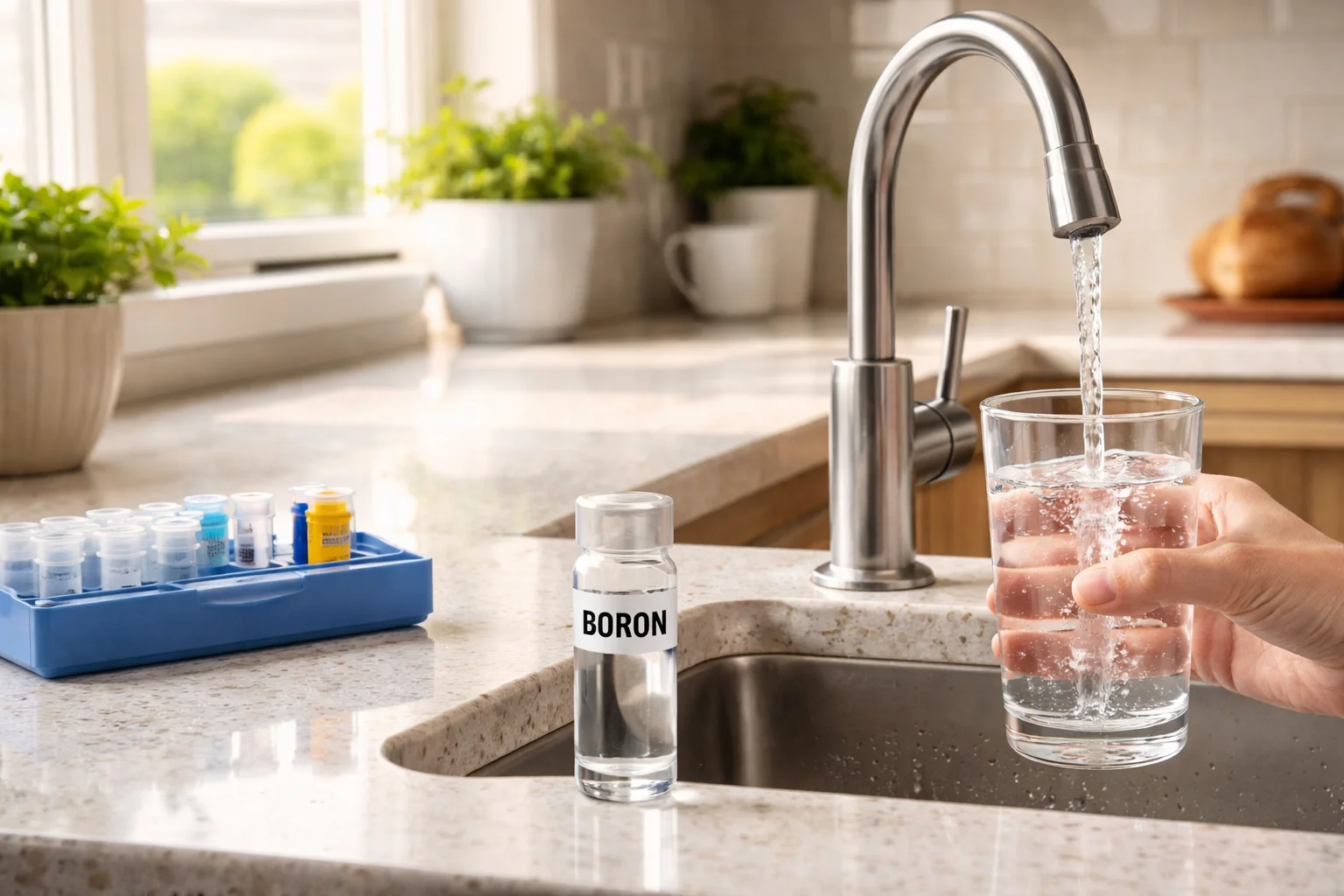
Boron is a naturally occurring element that can enter household water from soil and rock and from some industrial activities. It usually has no distinctive taste or odor, so many homeowners only learn about it when a utility report or a private well test calls it out. If you live in Indialantic and see boron listed on a water report, it’s reasonable to consider treating the water for the entire house rather than relying on point solutions at a single faucet.
Because boron remains dissolved, it won’t drop out like sand or be reliably captured by basic carbon cartridges. That can be frustrating for Indialantic residents who already use whole-house systems for chlorine, scale, or taste issues with our hard municipal water. Effectively reducing boron requires a targeted strategy built for dissolved inorganic contaminants, and the best choice depends on your water chemistry and whether you want filtered water at every tap across your beachside home.
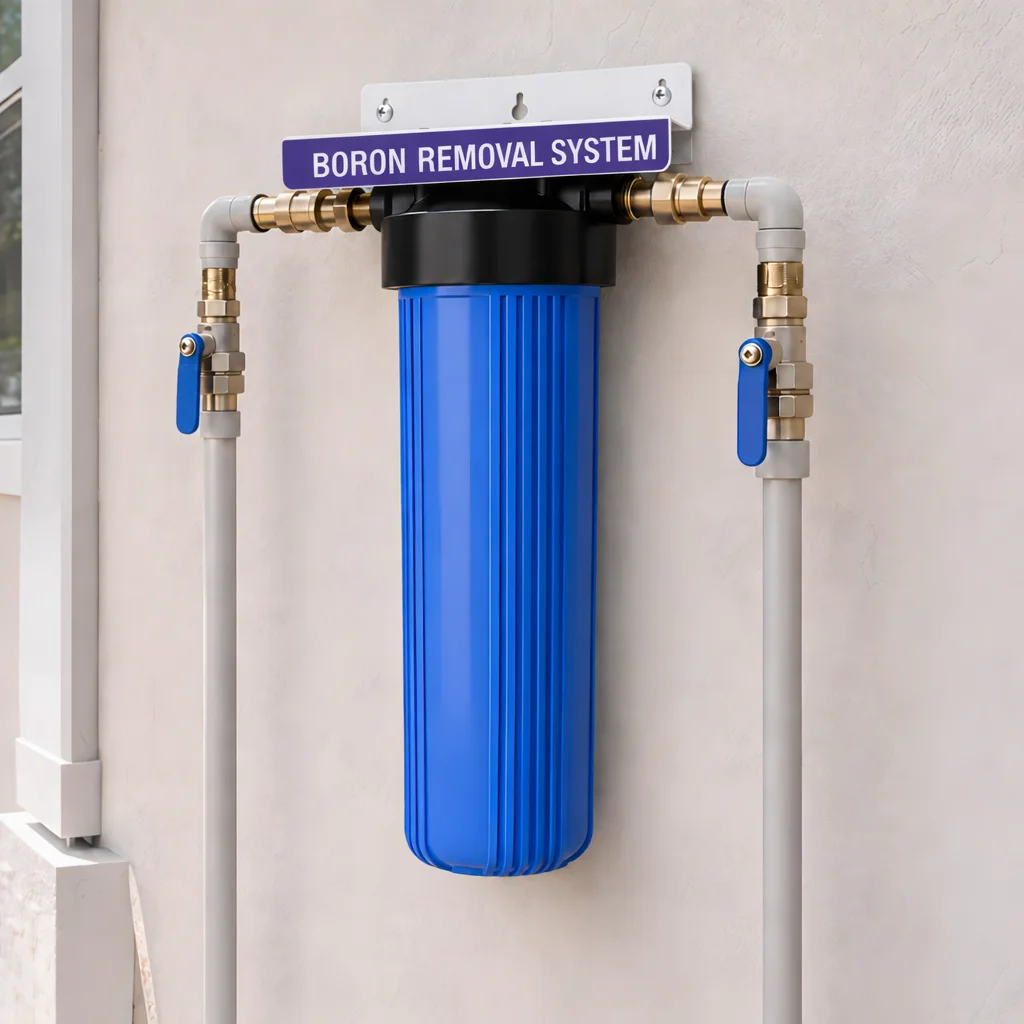
For reducing boron in household water, a reverse osmosis membrane is generally the single most effective filter technology. RO works by forcing water through a semi-permeable membrane that rejects many dissolved substances, including boron, much better than standard carbon media. Because boron can be stubborn to remove, choosing the right membrane and sizing the system correctly is important to get consistent results for an Indialantic house.
When used for whole-house treatment, reverse osmosis is typically set up as a dedicated point-of-entry system with a storage tank and prefiltration to protect the membrane from sediment and chlorine. Proper pre- and post-treatment helps the membrane last and ensures polished water at showers, sinks, laundry, and the kitchen—useful for coastal Indialantic homes where hard water and salty air can accelerate scale and corrosion. Mr. Pure Water can test your water, confirm boron levels, and recommend the RO configuration that meets your household flow and quality needs.
 321-400-9302
 info@bestwaterheater.com

