 Phone: 321-400-9302
 info@bestwaterheater.com
Phone: 321-400-9302
info@bestwaterheater.com
info@bestwaterheater.com
Phone: 321-400-9302
info@bestwaterheater.com
 Phone: 321-400-9302
info@bestwaterheater.com
Phone: 321-400-9302
info@bestwaterheater.com

Including filter system and high-performance Boron filter.


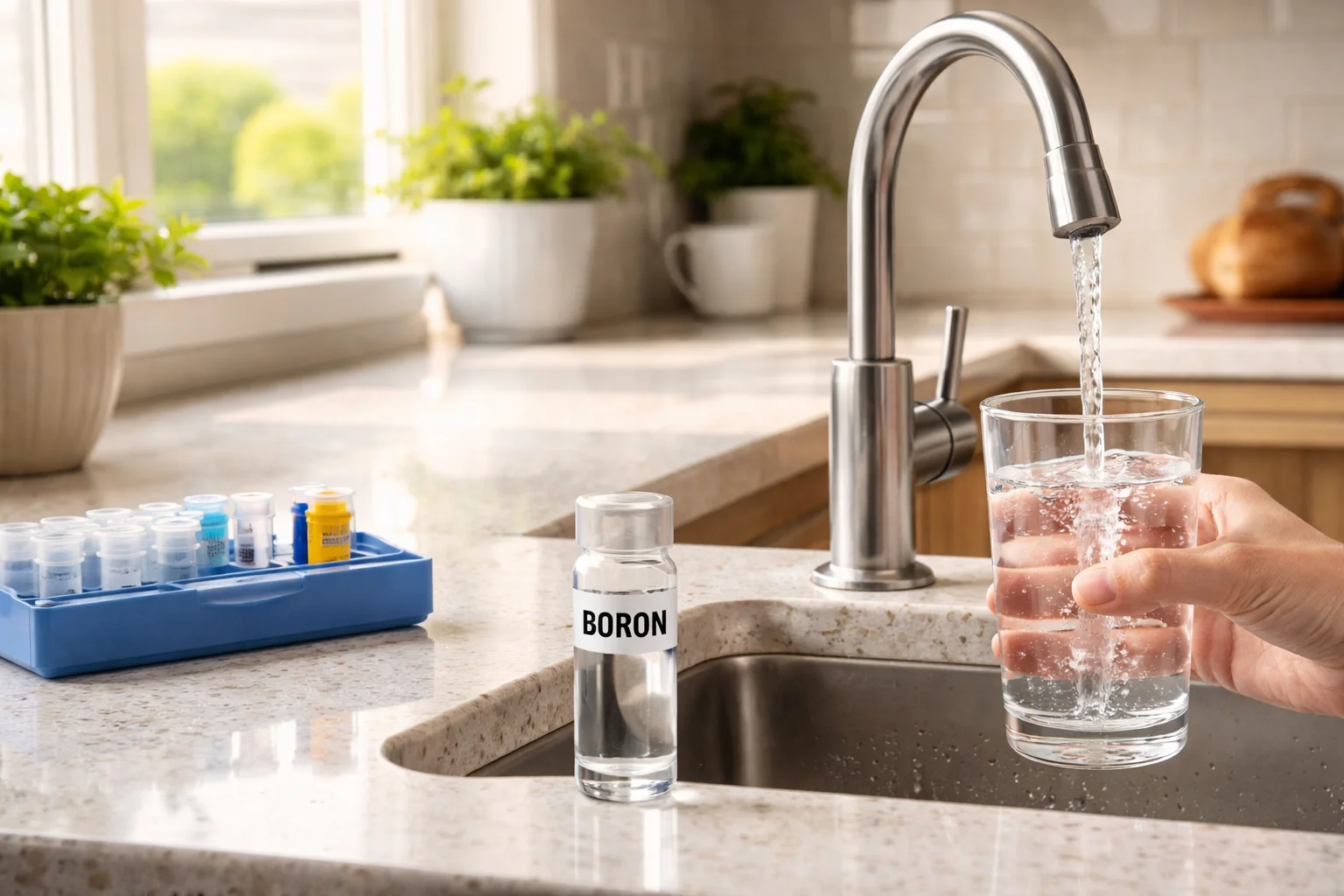
Boron is a naturally occurring element that can enter household water from soils and rock or from some industrial activities. Because it usually has no taste or smell, you might not notice it without a laboratory test—many West Canaveral Groves homeowners first learn about it on a municipal water quality report or a private well analysis. When test results indicate elevated boron, it’s wise to consider treating the water at the source so every faucet in the home is addressed.
Boron remains dissolved in water rather than settling out, so ordinary sediment traps and standard carbon filters won’t reliably remove it. That can be especially frustrating in Brevard County homes that already manage chlorine, odor, and moderate hardness issues—often compounded here by coastal salt-air corrosion. Effectively reducing boron calls for a treatment tailored to dissolved inorganic contaminants; the best choice depends on your water chemistry and whether you want whole-house delivery.
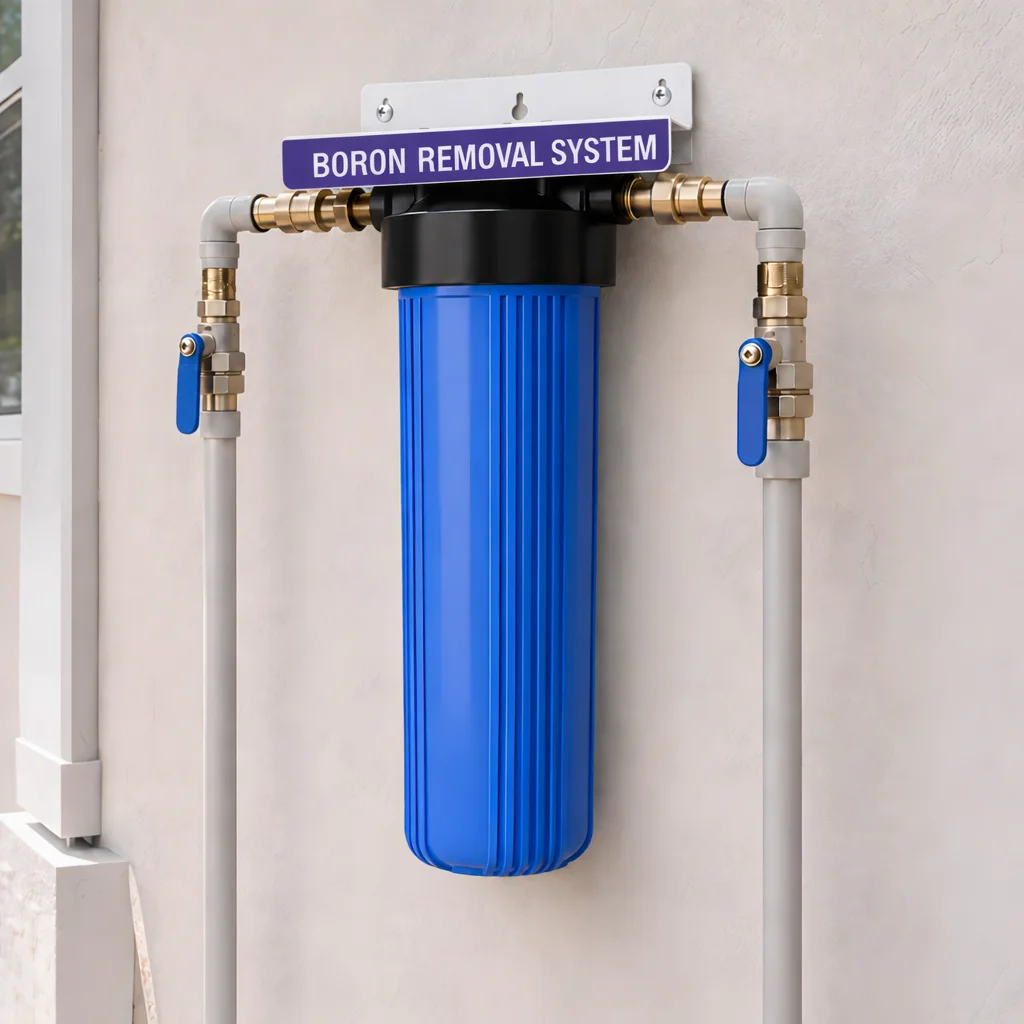
For household boron reduction, a reverse osmosis membrane is generally the single-filter technology with the best track record. RO systems force water through a semi-permeable membrane that rejects many dissolved substances, including boron, much more effectively than typical carbon media. Because boron can be tough to remove, picking the right membrane and sizing the system correctly is important to get consistent results throughout a West Canaveral Groves home.
When used for whole-house service, reverse osmosis is usually set up as a point-of-entry system with a storage tank and proper prefiltration to protect the membrane. Pre-treatment handles sediment and chlorine so the membrane lasts, and post-filtration polishes water before it reaches showers, sinks, laundry and cooking taps. Mr. Pure Water can test your water in West Canaveral Groves and recommend an RO configuration sized for your household flow and local conditions—our aim is dependable boron reduction across the entire home.
 321-400-9302
 info@bestwaterheater.com

