 Phone: 772-290-5223
 info@bestwaterheater.com
Phone: 772-290-5223
info@bestwaterheater.com
info@bestwaterheater.com
Phone: 772-290-5223
info@bestwaterheater.com
 Phone: 772-290-5223
info@bestwaterheater.com
Phone: 772-290-5223
info@bestwaterheater.com

Including filter system and high-performance Bromochloroacetic acid filter.


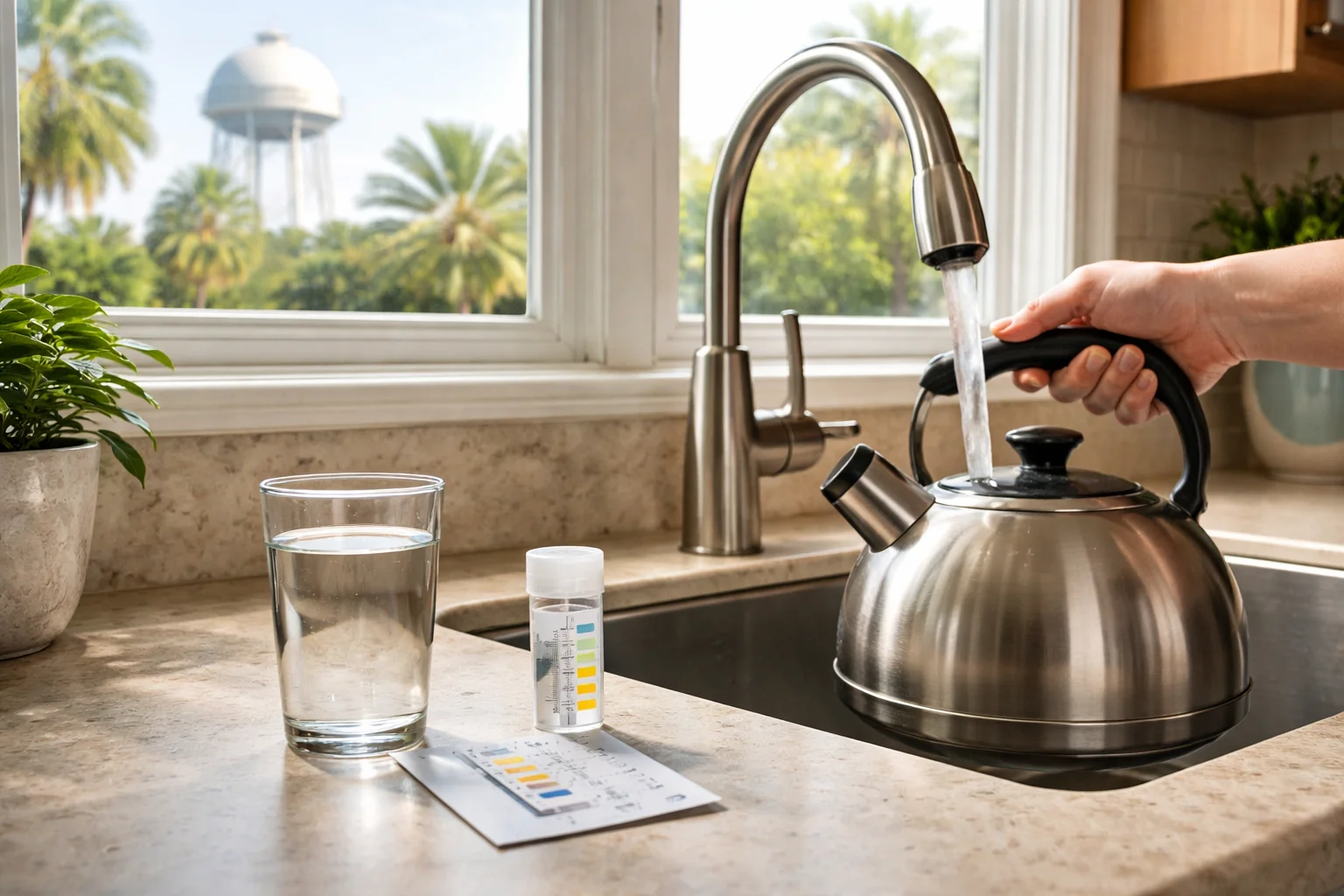
Bromochloroacetic acid is a disinfection byproduct that can form when water treatment disinfectants react with natural organic matter and bromide in source water. Because it is created during treatment, it can be present even when your tap water looks clear and tastes normal. In Port St. Lucie, homeowners typically hear about contaminants like this through utility consumer confidence reports or private lab testing rather than by sight or smell.
This class of disinfection byproducts is mainly a concern for long-term exposure and overall water-quality management, and you won’t reliably detect bromochloroacetic acid by smell, taste, or color at the faucet. Levels can change as treatment practices and source-water chemistry shift over time. If you want greater assurance for every sink, shower and appliance in your Port St. Lucie home—especially given South Florida’s hard water and potential for mineral buildup—point-of-entry whole-house treatment adds an extra layer of protection.
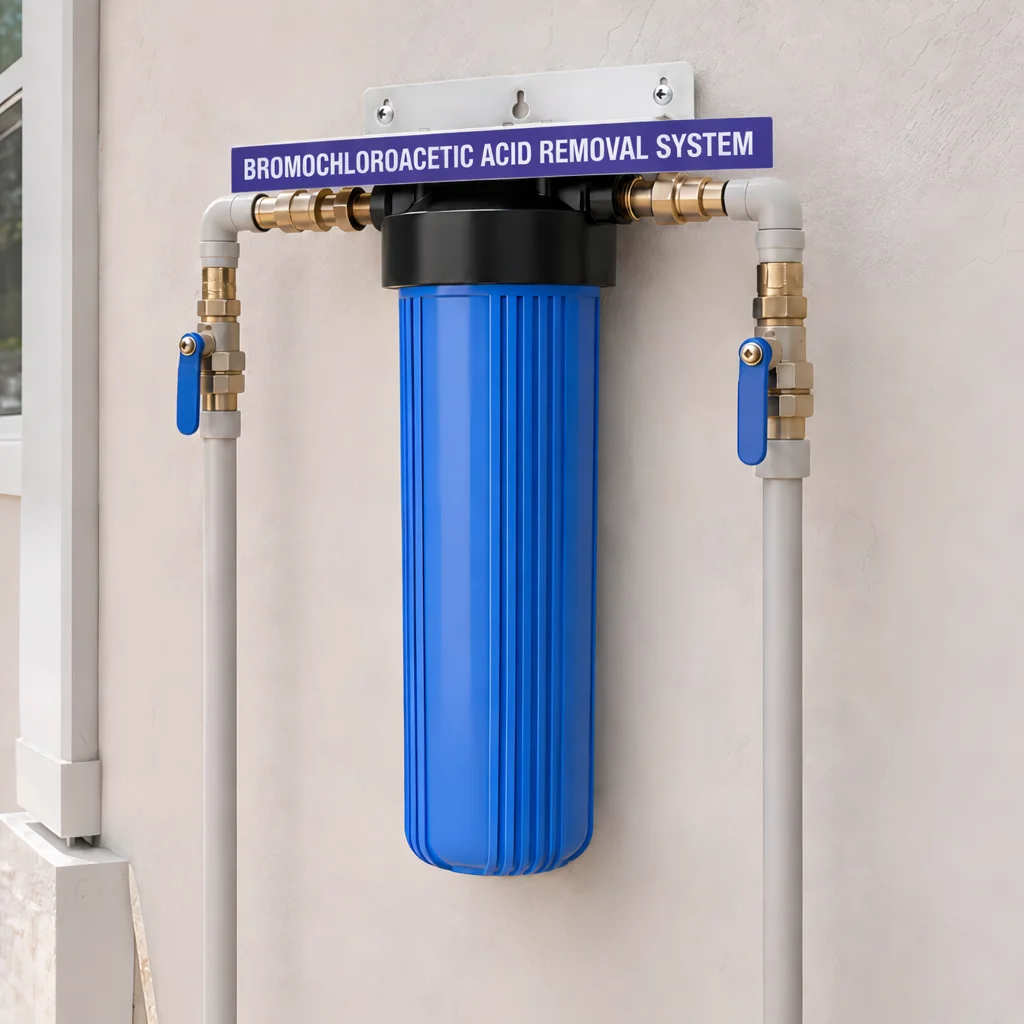
To reduce bromochloroacetic acid throughout a house, a whole-house activated carbon system is generally the most effective single-filter option. High-quality catalytic carbon is formulated to adsorb many disinfection byproducts and trace organic compounds as water moves through the media. Installed at the main water line for a Port St. Lucie residence, a properly sized carbon tank treats water used for cooking, bathing, laundry and toothbrushing instead of limiting filtration to one faucet.
Because bromochloroacetic acid may be present at very low concentrations, removal performance depends on carbon type, contact time and correct sizing to match your household flow. Mr. Pure Water designs whole-house systems with enough media volume so water in Port St. Lucie homes doesn’t rush past the carbon, and the unit operates automatically once installed on the main line. If you have a recent water quality report or lab results, we can recommend a carbon configuration tuned to target disinfection byproducts while accounting for local factors like hard water.
 772-290-5223
 info@bestwaterheater.com

