 Phone: 305-404-8790
 info@bestwaterheater.com
Phone: 305-404-8790
info@bestwaterheater.com
info@bestwaterheater.com
Phone: 305-404-8790
info@bestwaterheater.com
 Phone: 305-404-8790
info@bestwaterheater.com
Phone: 305-404-8790
info@bestwaterheater.com

Including filter system and high-performance Bromochloroacetic acid filter.


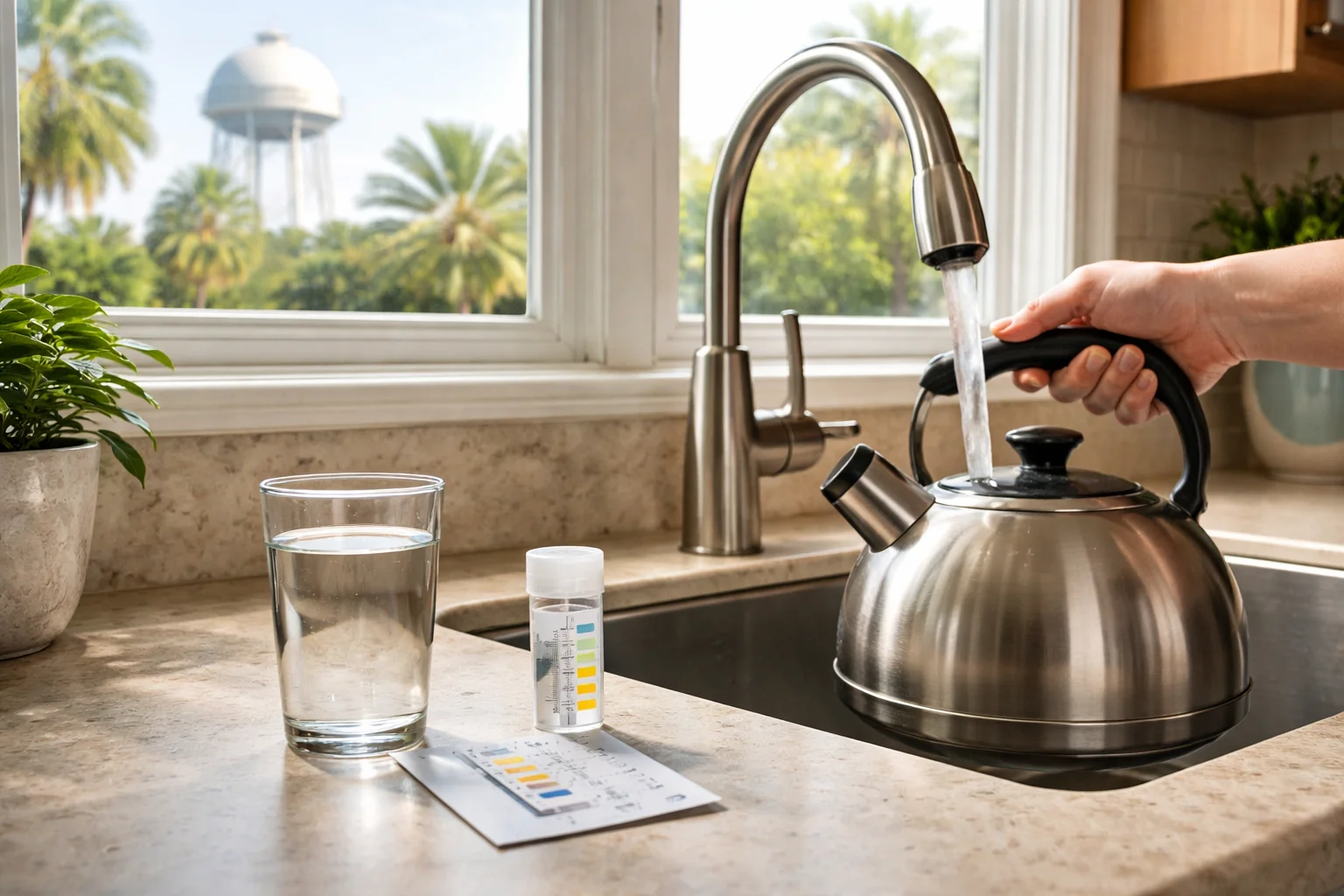
Bromochloroacetic acid is a disinfection byproduct that can form when utilities treat water to control microbes. It’s produced when disinfectants react with organic material and bromide in source water, so it can appear even if your tap water looks clear and tastes normal. Silver Palm homeowners typically hear about contaminants like this through their water utility’s report or independent testing rather than by smell or sight.
As with other disinfection byproducts, discussions about bromochloroacetic acid focus on long-term exposure and overall water-quality management rather than immediate sensory clues at the faucet. Levels can shift with changing treatment practices and source-water chemistry, especially in Florida’s subtropical climate where source conditions vary. If you want consistent reduction throughout your Silver Palm residence — for showers, cooking, and laundry — a point-of-entry whole-house solution gives you control over what comes into the home.
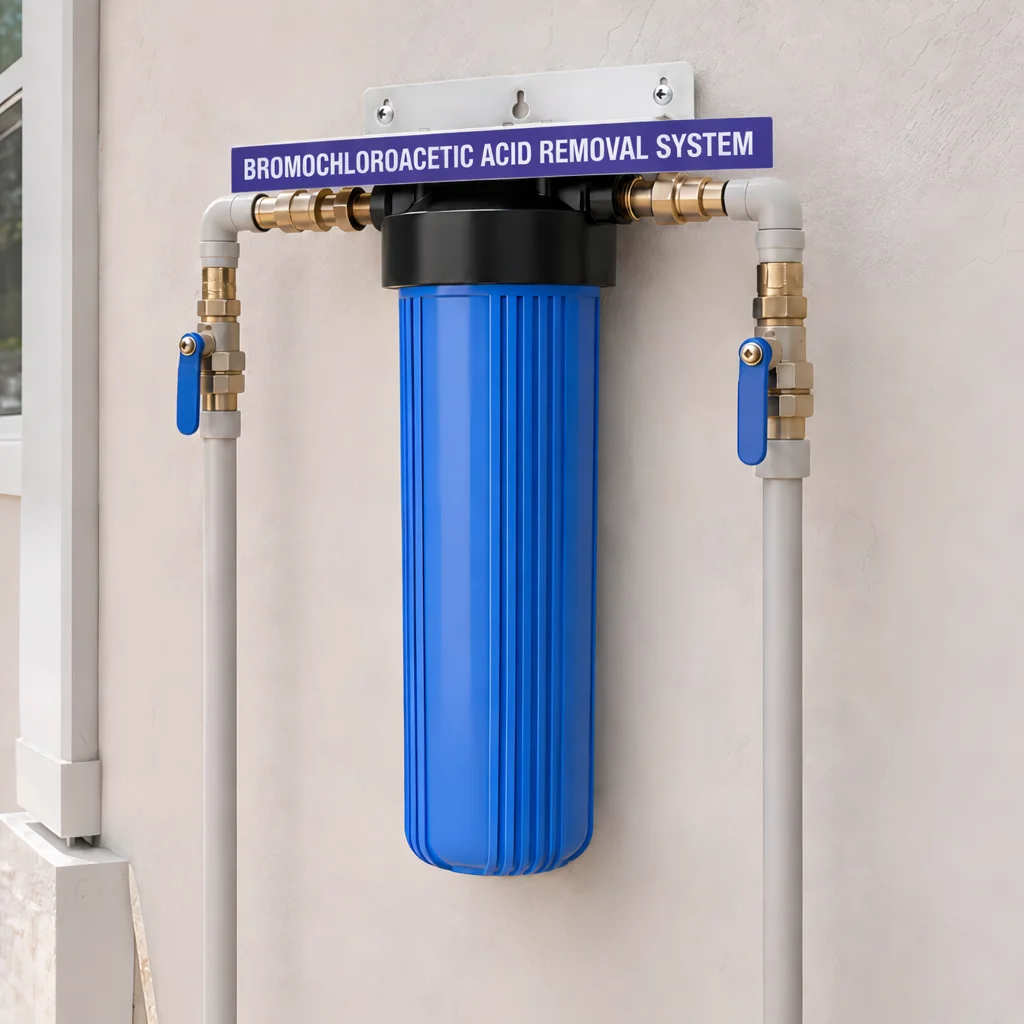
To reduce bromochloroacetic acid across an entire house, a whole-house activated carbon system is generally the most effective single-filter option. Catalytic carbon in a properly sized tank adsorbs many disinfection byproducts and trace organics as water flows through, and installing it at the main line means every faucet and shower in your Silver Palm home receives the same treatment. This approach treats water at the point it enters the house rather than only at individual taps.
Because bromochloroacetic acid can occur at very low concentrations, performance depends on using the right carbon type, allowing sufficient contact time, and sizing the system for your home's flow. Mr. Pure Water designs whole-house carbon systems with media volume and flow capacity suited to local needs — including Silver Palm’s warm, subtropical conditions — so water doesn’t rush past the media. Installed on your main line, the system operates automatically; if you have a recent water report or lab results, we’ll use them to recommend a carbon configuration that targets disinfection byproducts effectively.
 305-404-8790
 info@bestwaterheater.com

