 Phone: 561-300-5075
 info@bestwaterheater.com
Phone: 561-300-5075
info@bestwaterheater.com
info@bestwaterheater.com
Phone: 561-300-5075
info@bestwaterheater.com
 Phone: 561-300-5075
info@bestwaterheater.com
Phone: 561-300-5075
info@bestwaterheater.com

Including filter system and high-performance Bromochloroacetonitrile filter.


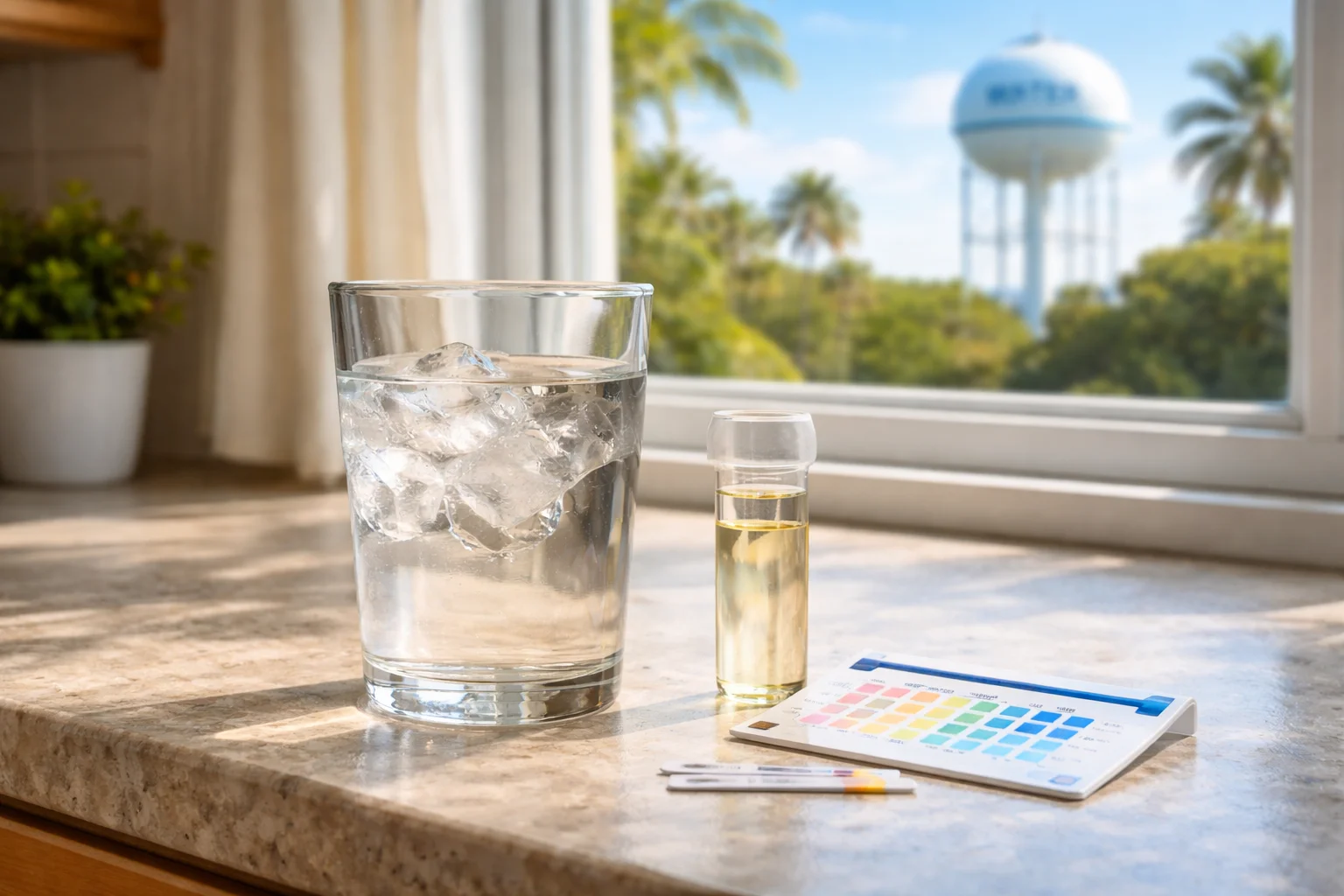
Bromochloroacetonitrile is a disinfection byproduct that can form when drinking water is treated to control microbes. It’s created through reactions between disinfectants and naturally occurring organic material, especially when bromide is present. Because it’s formed during treatment, it may be present even when the original source water looks clean and clear. Homeowners typically don’t notice it by taste or smell, which is why testing and targeted treatment matter.
Unhealthy levels of bromochloroacetonitrile are a concern because they indicate ongoing byproduct formation tied to normal utility disinfection chemistry. Levels can vary over time with changes in source water, seasonal organic content, and treatment conditions. While point-of-use filters can help at one faucet, showers, laundry, and other taps still use the same water throughout the home. A whole-house approach helps reduce exposure wherever water is used.
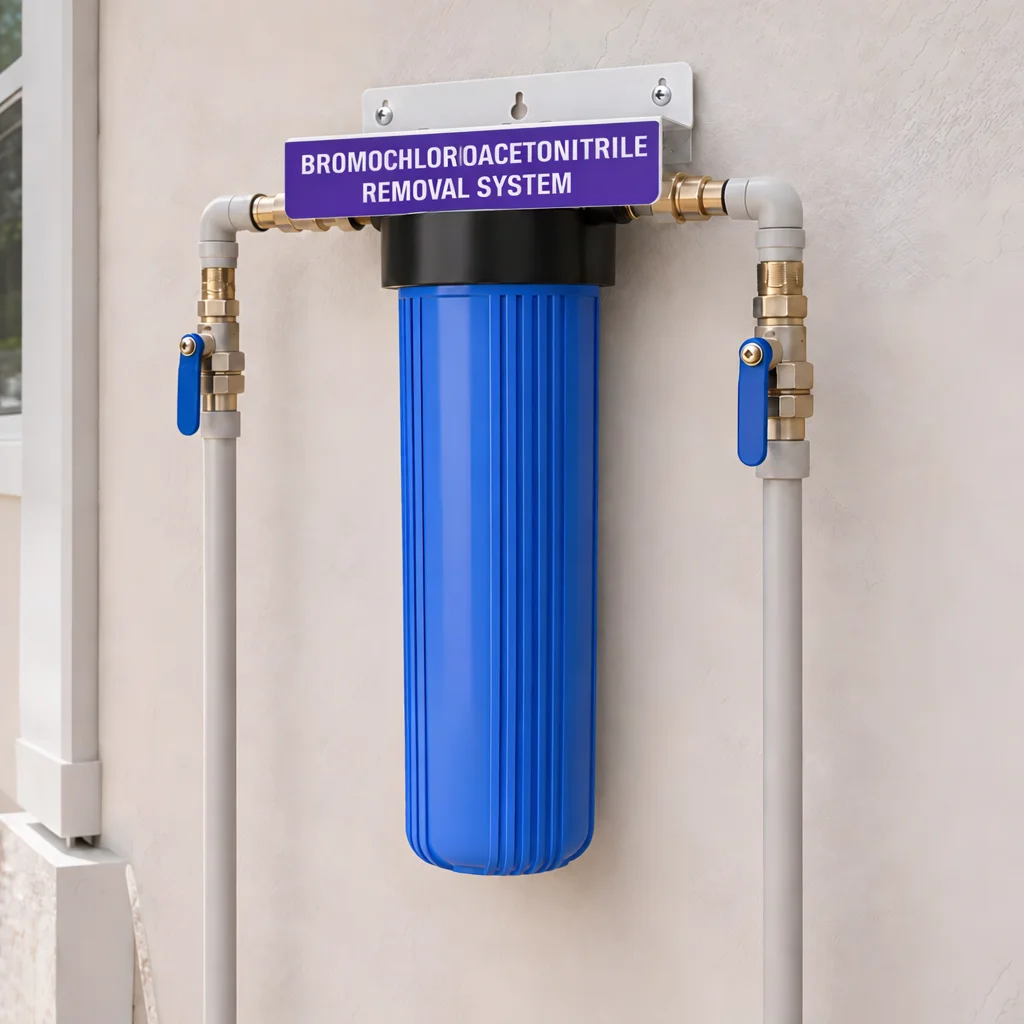
For reducing bromochloroacetonitrile across the home, a whole-house catalytic carbon filter is typically the most effective single-filter option. Catalytic carbon is an enhanced form of activated carbon designed to better adsorb and break down many disinfection byproducts compared with standard carbon media. Installed at the main line, it treats water before it reaches every tap, shower, and appliance. That means you get consistent treatment for drinking, cooking, and everyday water use.
A properly sized catalytic carbon whole-house system focuses on contact time, which is key for removing low-level organic byproducts like bromochloroacetonitrile. It also reduces other common treatment-related compounds that contribute to overall water quality, helping the entire system work more efficiently. Because water conditions differ from home to home, matching filter capacity and flow rate to your household prevents short-circuiting and keeps performance steady. Mr. Pure Water can help you choose a configuration that fits your plumbing and water use habits.
 561-300-5075
 info@bestwaterheater.com

