 Phone: 772-290-5223
 info@bestwaterheater.com
Phone: 772-290-5223
info@bestwaterheater.com
info@bestwaterheater.com
Phone: 772-290-5223
info@bestwaterheater.com
 Phone: 772-290-5223
info@bestwaterheater.com
Phone: 772-290-5223
info@bestwaterheater.com

Including filter system and high-performance Bromochloroacetonitrile filter.


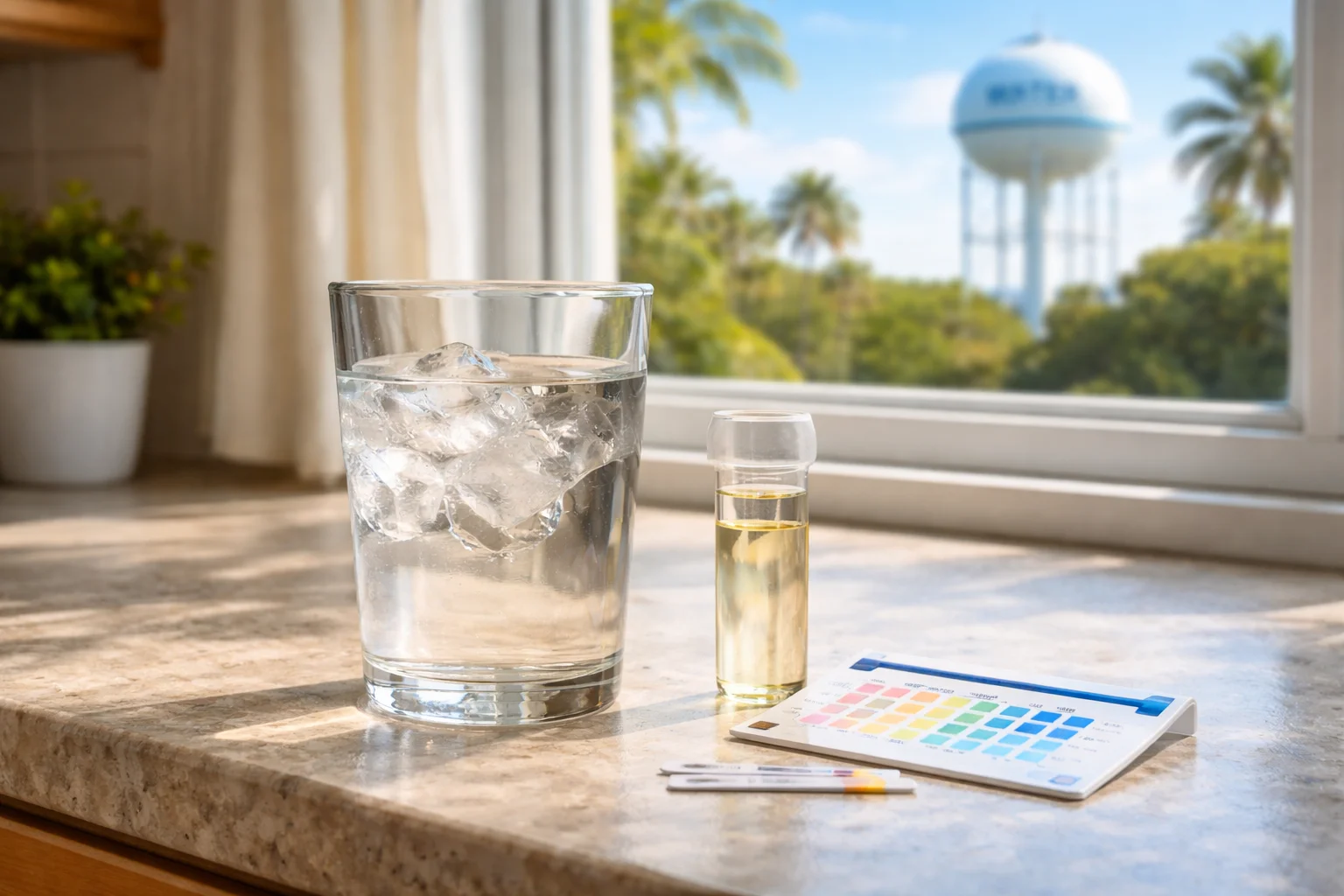
Bromochloroacetonitrile is a disinfection byproduct that can form when utilities treat drinking water to control microbes. It develops from reactions between disinfectants and naturally occurring organic material, particularly where bromide is present, so it can appear even if source water looks clear. Because people usually can’t detect it by taste or smell, testing and tailored treatment are important for Orchid homeowners who want extra assurance about their water quality.
Concerns about unhealthy levels of bromochloroacetonitrile come from its connection to routine disinfection chemistry—levels can shift with seasonal changes in organic content, source water, and treatment practices. Point-of-use devices only protect a single tap, while showers, laundry machines, and outdoor hoses in Orchid still draw from the same supply. A whole-house system treats water at the main line so every faucet and appliance across your coastal Treasure Coast property gets the same protection.
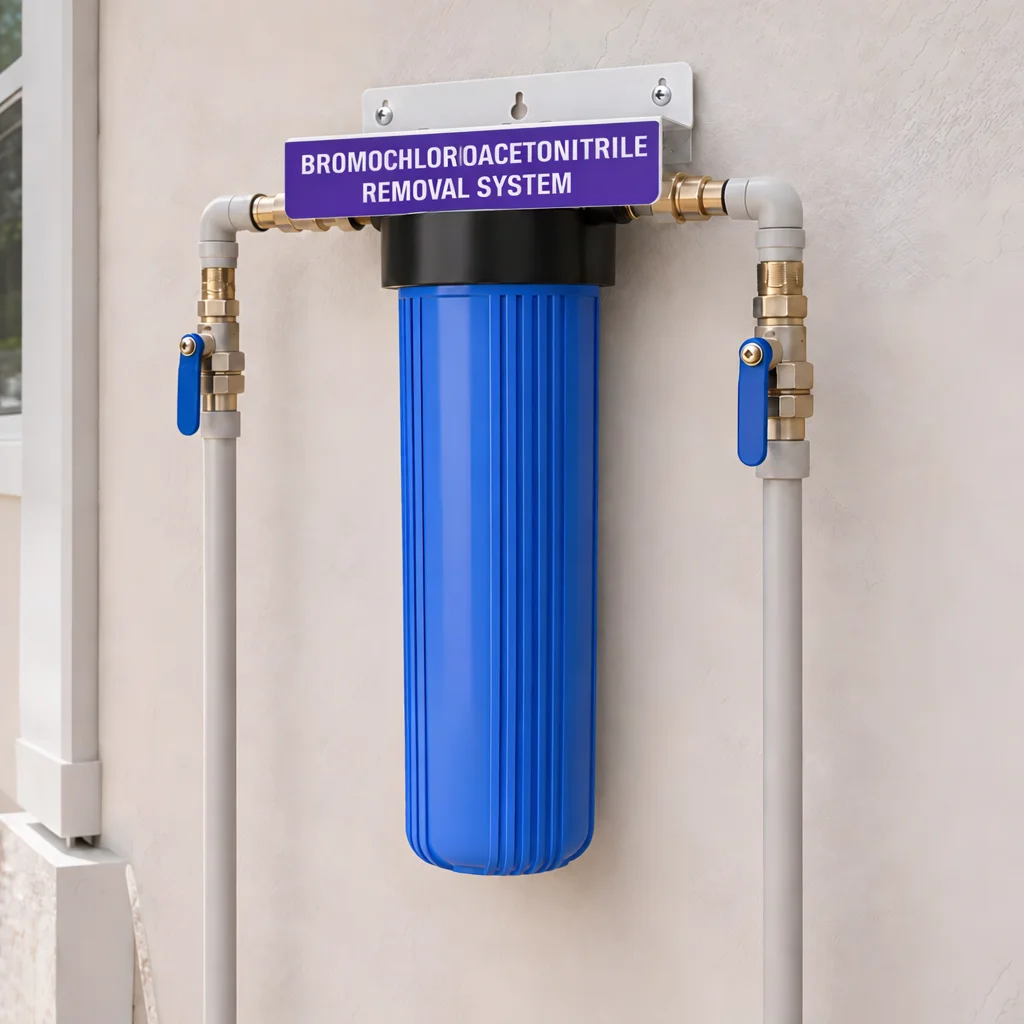
To address bromochloroacetonitrile throughout the home, a catalytic carbon whole-house filter is generally the best single-filter choice. Catalytic carbon is an upgraded activated carbon that more effectively adsorbs and helps break down many disinfection byproducts than standard carbon media. When installed at your main water entry—whether you live near Orchid Island Golf & Beach Club or closer to the mainland—this setup treats water before it reaches showers, taps, and appliances for consistent protection.
Sizing and contact time matter for catalytic carbon systems, especially in areas with hard groundwater like Orchid and the rest of Indian River County. Proper matching of filter capacity and flow rate prevents short-circuiting and keeps removal performance steady across showers and laundry cycles, while also helping reduce other treatment-related compounds. Mr. Pure Water can evaluate your plumbing, household water use, and local conditions—salt air, hard water, and coastal corrosion risks—to recommend a catalytic carbon configuration that fits your home.
 772-290-5223
 info@bestwaterheater.com

