 Phone: 850-772-1365
 info@bestwaterheater.com
Phone: 850-772-1365
info@bestwaterheater.com
info@bestwaterheater.com
Phone: 850-772-1365
info@bestwaterheater.com
 Phone: 850-772-1365
info@bestwaterheater.com
Phone: 850-772-1365
info@bestwaterheater.com

Including filter system and high-performance Cadmium filter.



Cadmium is a metal that can enter household water when it leaches from certain plumbing materials, industrial runoff, or contaminated soil into local supplies. Because you can’t see, smell, or taste cadmium, a laboratory water test is the only reliable way to know whether it’s present in your plumbing. Many Sink Creek homeowners begin exploring treatment after a lab report detects an unexpected metal; when results suggest elevated cadmium, treating the water where it enters the house is a sensible next step.
Though conversations about cadmium often focus on food and industrial exposures, dissolved cadmium in drinking water is also a concern worth addressing. Boiling won’t remove it, and dissolved metals can persist in both hot and cold lines, showing up at kitchen taps, showers, and in laundry. For Sink Creek residents who want to limit whole-home exposure, point-of-entry filtration treats water before it reaches fixtures and appliances, reducing where cadmium can appear in daily use.
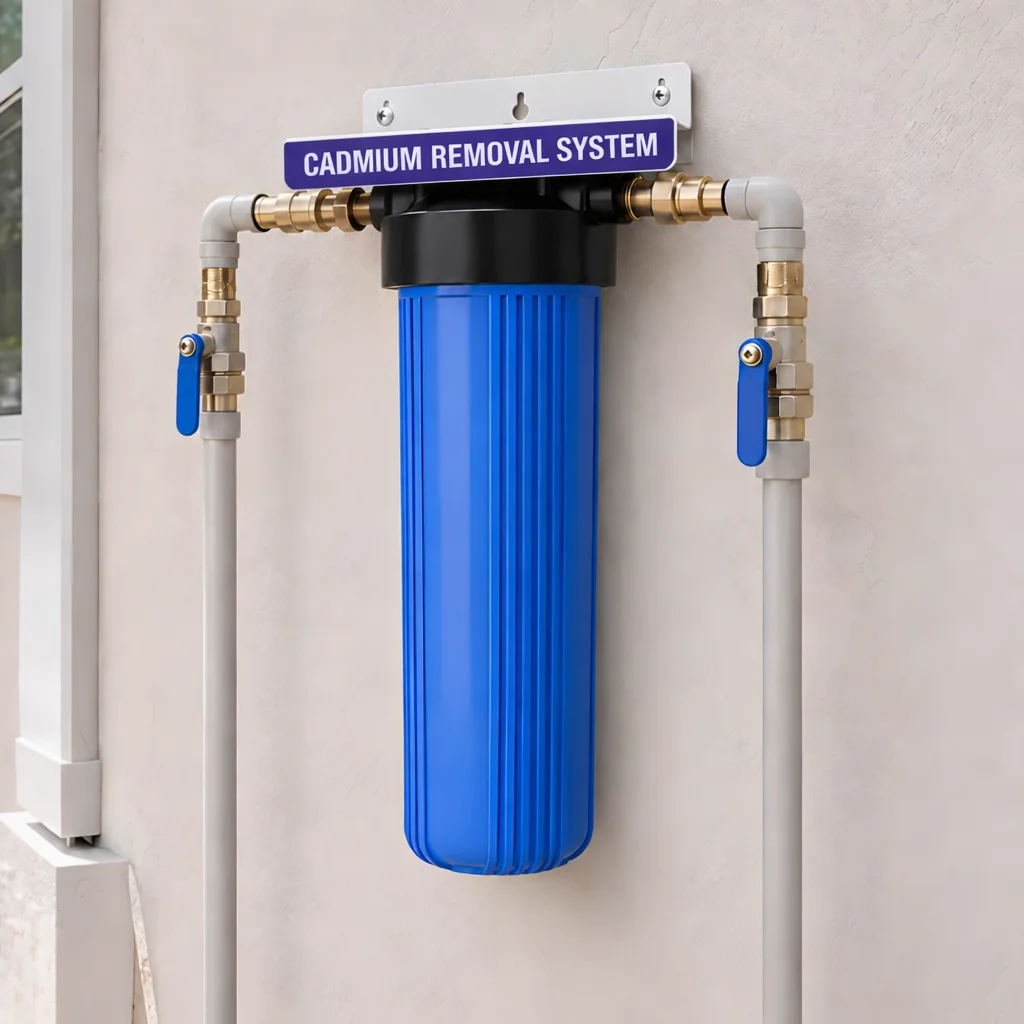
The most effective single-filter option for whole-home cadmium reduction is typically a point-of-entry reverse osmosis system. RO uses a semi-permeable membrane that can reject many dissolved metals, cadmium included, rather than only improving taste or odor. Installed at the main supply line into a Sink Creek home, it delivers treated water to sinks, showers, and appliances so you get broad, consistent reduction without relying solely on an under-sink device.
A whole-house reverse osmosis system is commonly paired with sediment prefiltration to protect the membrane and carbon stages to remove chlorine and other contaminants that can shorten membrane life. Because RO systems create a concentrated reject stream, proper sizing and installation matter to meet a household’s daily demand. Mr. Pure Water can review your Sink Creek water test and recommend the right pre- and post-treatment configuration so cadmium is tackled effectively for your whole home.
 850-772-1365
 info@bestwaterheater.com

