 Phone: 850-772-1365
 info@bestwaterheater.com
Phone: 850-772-1365
info@bestwaterheater.com
info@bestwaterheater.com
Phone: 850-772-1365
info@bestwaterheater.com
 Phone: 850-772-1365
info@bestwaterheater.com
Phone: 850-772-1365
info@bestwaterheater.com

Including filter system and high-performance Calcium filter.



Calcium in household water is usually part of what we call hard water — dissolved minerals that leave white scale as water evaporates. Around Bristol you might notice this as stubborn deposits on faucets, cloudy spots on shower doors, or mineral rings inside kettles and coffee makers. Over time those deposits can reduce flow, spot dishes, and make fixtures look dull despite regular cleaning. Although calcium is a natural mineral, elevated amounts in home water create persistent maintenance and performance headaches for homeowners.
Hard water changes how water feels and how well soaps and detergents perform; you may see soap scum on tubs, a film on glassware, or shampoo that won’t rinse out completely. Calcium scale can build up inside water heaters and appliances, reducing efficiency and increasing repair needs. If you’re spotting these issues in your Bristol residence, testing and timely treatment can stop scale from spreading through the plumbing and protect appliances and finishes.
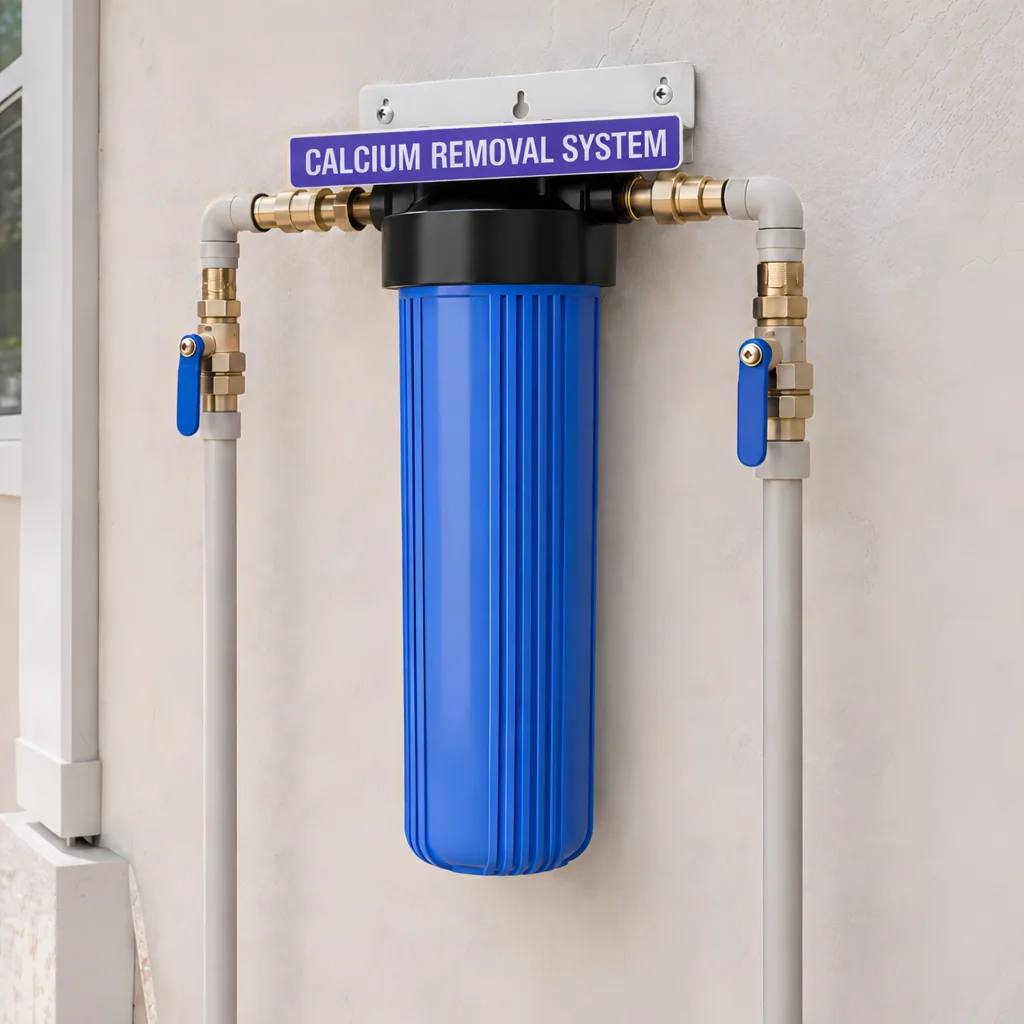
The single most effective whole-house option for treating calcium is an ion exchange water softener. These systems remove hardness minerals like calcium by exchanging them for sodium or potassium ions as water moves through a resin bed. Because a softener treats all incoming water, it prevents scale at every tap and protects fixtures, pipes, and appliances throughout your Bristol home rather than addressing only one faucet or shower.
A correctly sized ion exchange softener is chosen based on your water hardness, household size, and typical usage so it can regenerate on schedule without frequent downtime. Regeneration refreshes the resin so it continues capturing calcium consistently, which makes proper setup and programming important. Many Bristol homeowners also add a carbon filter for taste and odor, but the softener remains the primary single system for calcium control; Mr. Pure Water can help select and configure the right whole-house setup for your routine.
 850-772-1365
 info@bestwaterheater.com

