 Phone: 305-404-8790
 info@bestwaterheater.com
Phone: 305-404-8790
info@bestwaterheater.com
info@bestwaterheater.com
Phone: 305-404-8790
info@bestwaterheater.com
 Phone: 305-404-8790
info@bestwaterheater.com
Phone: 305-404-8790
info@bestwaterheater.com

Including filter system and high-performance Calicivirus filter.


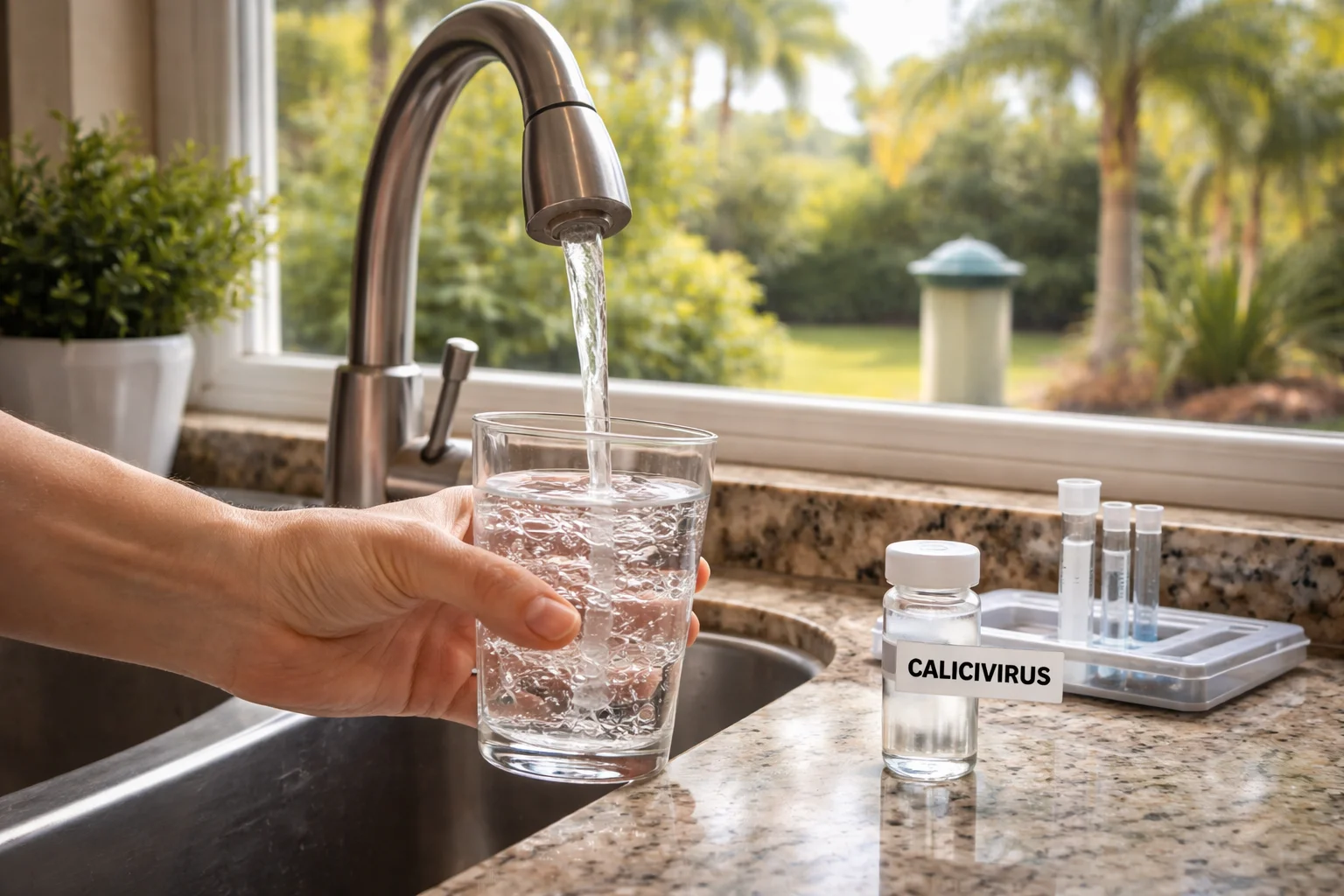
Calicivirus is a family of viruses that can enter household water when contamination happens, most commonly from human waste. Because these pathogens are microscopic, water may appear clear yet still carry a risk. In Goulds and the surrounding Miami-Dade area, homeowners typically learn about viral concerns from utility notices, private well testing, or after flooding or a nearby system issue; understanding how viruses behave and how they’re treated can help you feel safer at every tap.
Unlike visible problems like sediment or rust, viruses don’t change taste or smell, and boiling isn’t a practical whole-house fix. Calicivirus can get into plumbing through backflow, compromised pipes, flooding, or a vulnerable well and can travel as the water moves. Even treated supply lines can be at risk if there’s a pathway for contamination. A point-of-entry whole-house strategy treats water as it comes into your Goulds home so the kitchen, laundry, and bathrooms all receive the same protection.
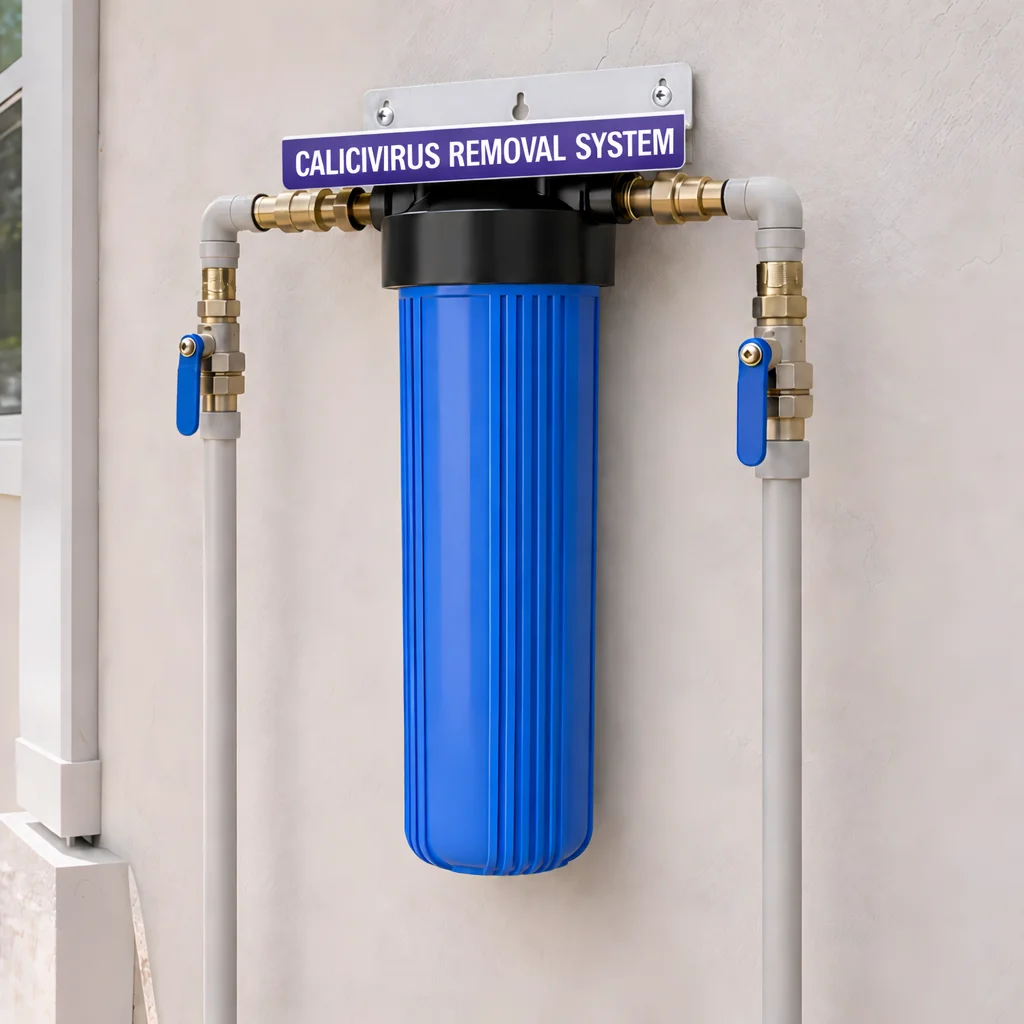
For calicivirus, the most effective single whole-house option is ultraviolet (UV) disinfection. Rather than filtering out particles like carbon media, UV systems use a lamp inside a stainless steel chamber to inactivate microorganisms as water flows through. Properly sized and maintained UV units are commonly recommended for virus control because they address what typical media can’t, making them a good choice for Goulds homeowners who want continuous protection without changing daily water use.
UV performs best when water is clear enough for light to pass, so it’s commonly installed after a sediment prefilter—especially helpful in Miami-Dade’s hard-water conditions that can contribute to scale and cloudiness. Long-term effectiveness relies on correct flow sizing, a clean quartz sleeve, and routine lamp replacement as output diminishes over time. UV won’t add chemicals or alter taste, and Mr. Pure Water can help Goulds residents select and size a whole-house UV system suited to their household demand and local water conditions.
 305-404-8790
 info@bestwaterheater.com

