 Phone: 321-400-9302
 info@bestwaterheater.com
Phone: 321-400-9302
info@bestwaterheater.com
info@bestwaterheater.com
Phone: 321-400-9302
info@bestwaterheater.com
 Phone: 321-400-9302
info@bestwaterheater.com
Phone: 321-400-9302
info@bestwaterheater.com

Including filter system and high-performance Chloramine filter.


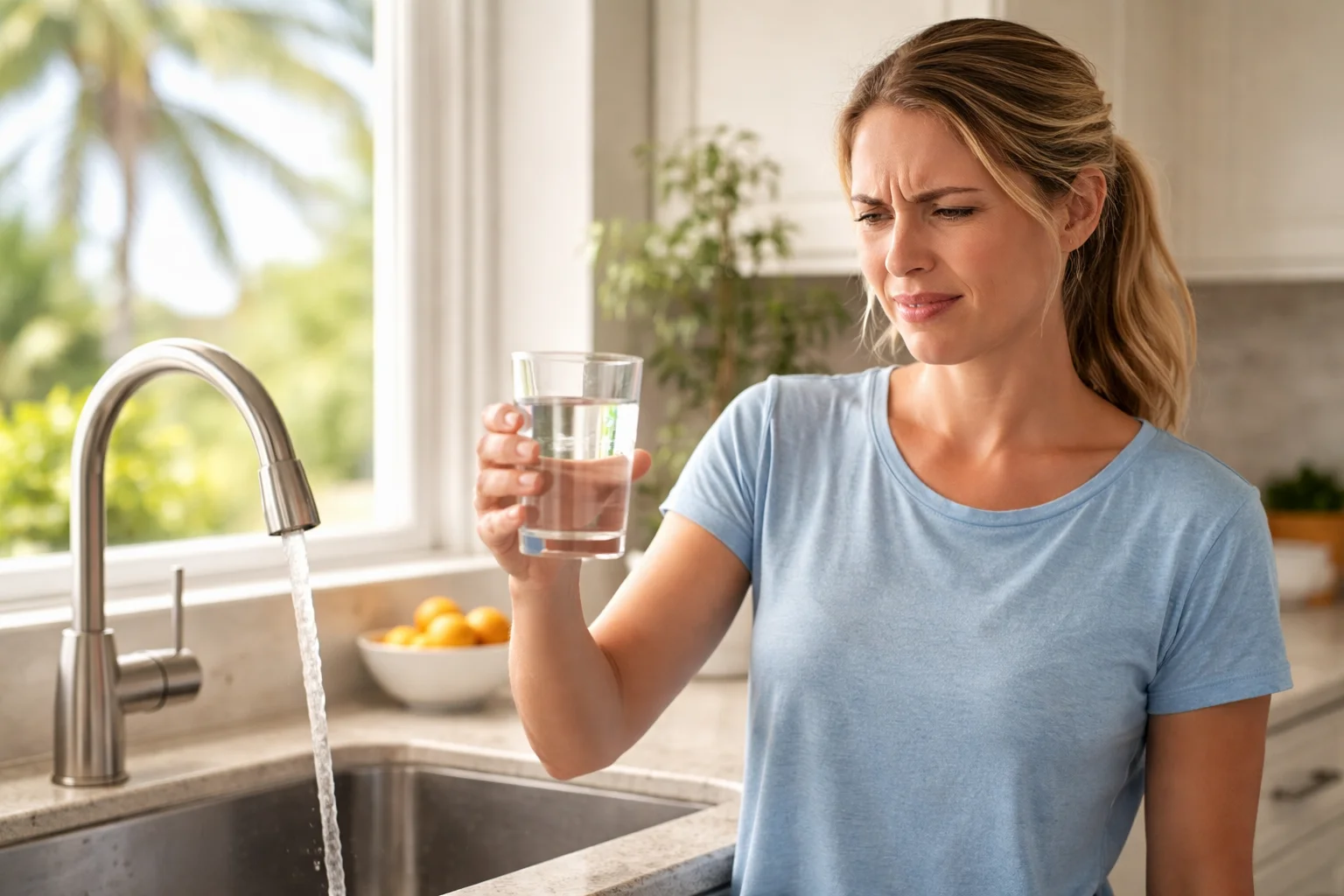
Many utilities use chloramine to keep water disinfected as it moves through pipes; you may see it referred to as chloramines as well. While effective at protecting systems, chloramine can leave a faint chemical taste or odor and is generally tougher to remove than free chlorine. Homeowners around Melbourne Beach—whether on the Riverside Drive corridor, near the pier, or in Floridana Beach—often notice it in drinking water, showers, and laundry.
Chloramine comes in different chemical forms such as monochloramine, dichloramine, and trichloramine, and those variations affect smell and how water feels on skin and hair. That can make everyday tasks like brushing teeth, making coffee, or bathing less pleasant for some families. Treating water at the main entry to your Melbourne Beach home is an effective way to improve water quality at every tap.
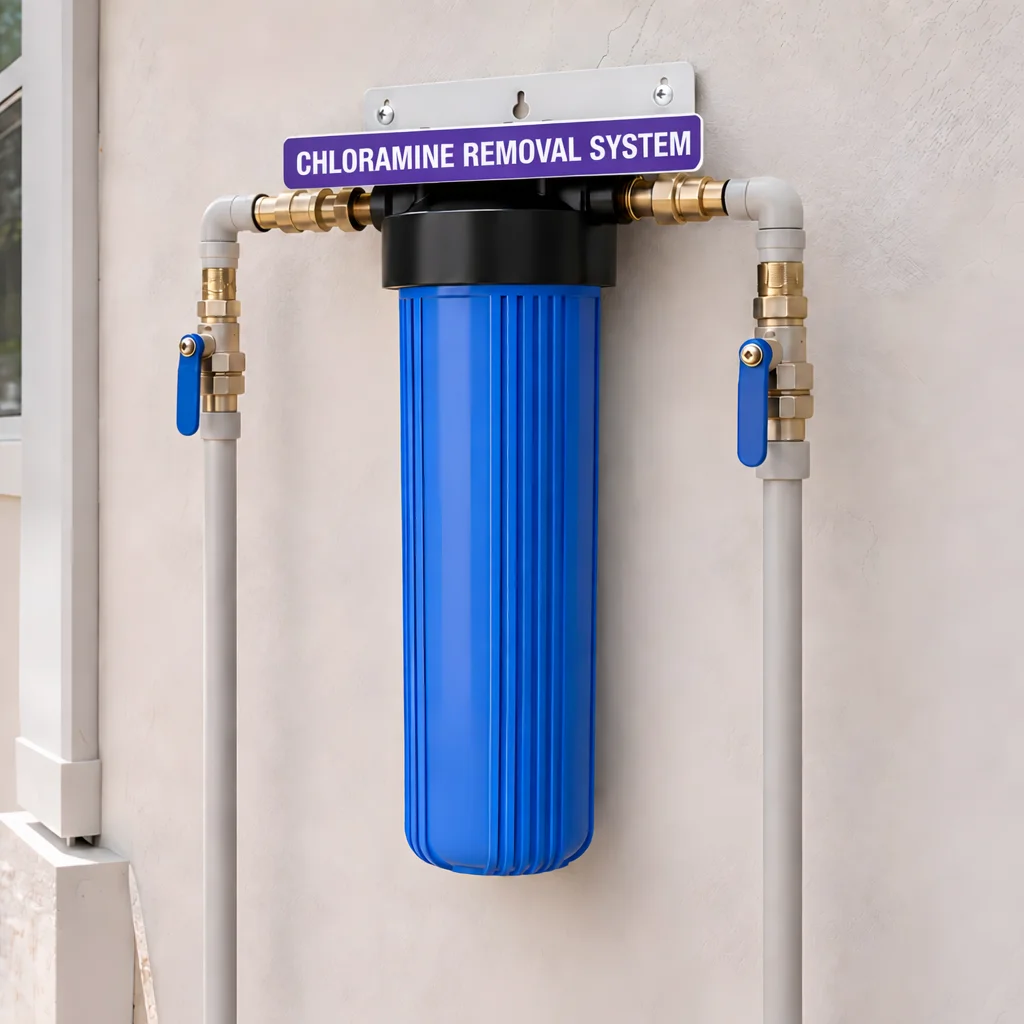
For a single-filter whole-house approach, catalytic carbon is typically the best choice for reducing chloramine. Unlike standard activated carbon, catalytic carbon is engineered to break down chloramine more efficiently as water passes through the media. Installed as one tank with a primary media bed, a catalytic carbon system treats water used for drinking, cooking, laundry, and bathing across your Melbourne Beach property.
A correctly sized catalytic carbon system provides the contact time needed for chloramine conversion and adsorption while matching your home’s flow rates and demand. That improves taste and odor and helps reduce the treated-water character caused by disinfectant byproducts. Because monochloramine, dichloramine, and trichloramine can behave differently, Mr. Pure Water will size a whole-house catalytic carbon configuration to suit Melbourne Beach homes—accounting for moderate hardness typical in Brevard County and common coastal conditions.
 321-400-9302
 info@bestwaterheater.com

