 Phone: 561-300-5075
 info@bestwaterheater.com
Phone: 561-300-5075
info@bestwaterheater.com
info@bestwaterheater.com
Phone: 561-300-5075
info@bestwaterheater.com
 Phone: 561-300-5075
info@bestwaterheater.com
Phone: 561-300-5075
info@bestwaterheater.com

Including filter system and high-performance Chloramine filter.


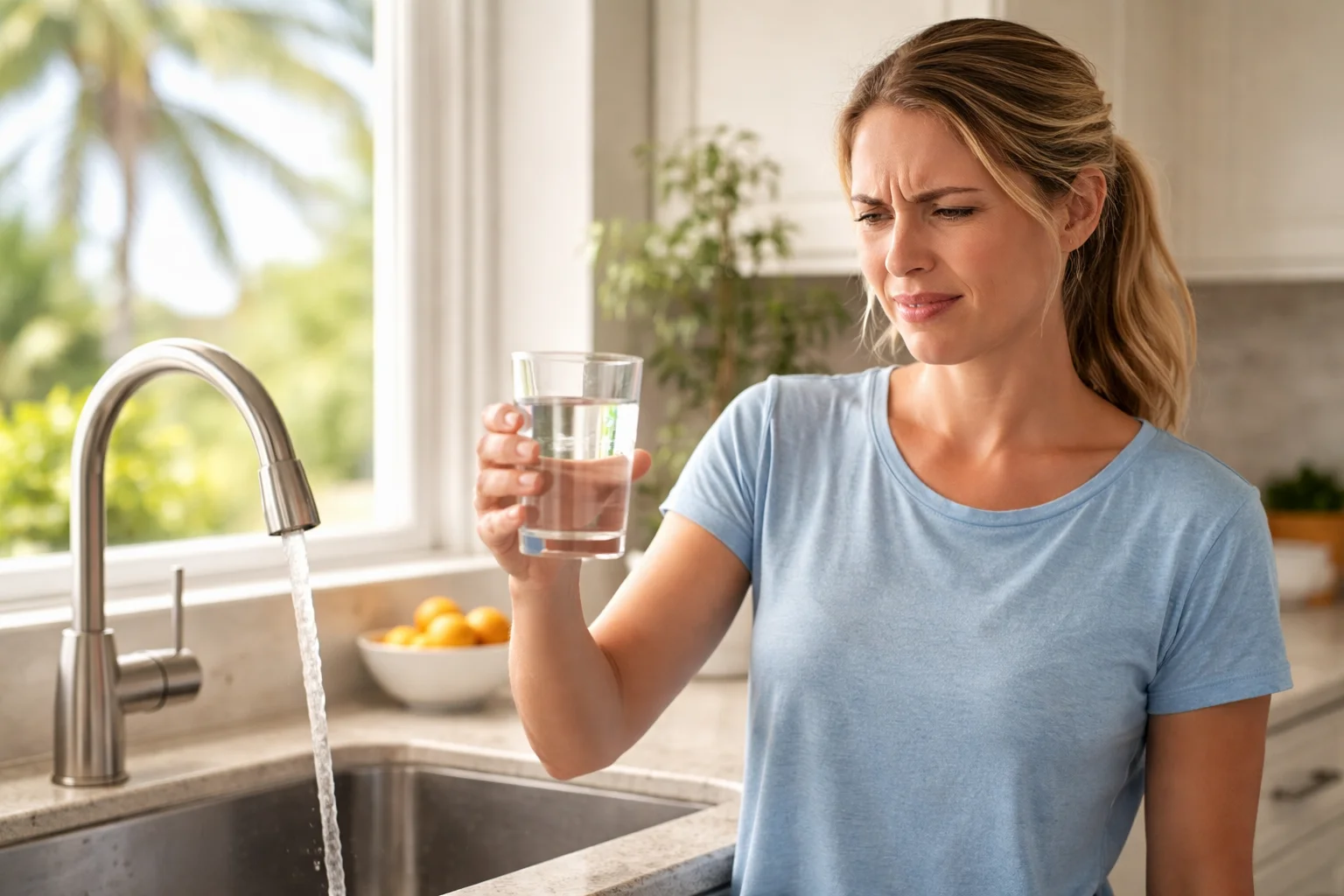
Many water providers use chloramine as a disinfectant to protect water as it moves through pipes; you may also see it called chloramines. While it does an important job keeping water safe, chloramine can leave a faint chemical taste or odor and is generally tougher to remove than plain chlorine. Pine Air homeowners most often notice it in drinking water, during showers, and in laundry, where that lingering treated-water character becomes apparent.
Chloramine exists in several chemical forms — monochloramine, dichloramine, and trichloramine — and shifts between them can change how strong an odor is or how your skin and hair feel after bathing. In Pine Air’s humid subtropical climate, where properties may be on municipal supply or private wells and water hardness is moderate, many residents choose to treat water at the main line so every tap delivers better-tasting, more comfortable water for brushing teeth, making coffee, and bathing.
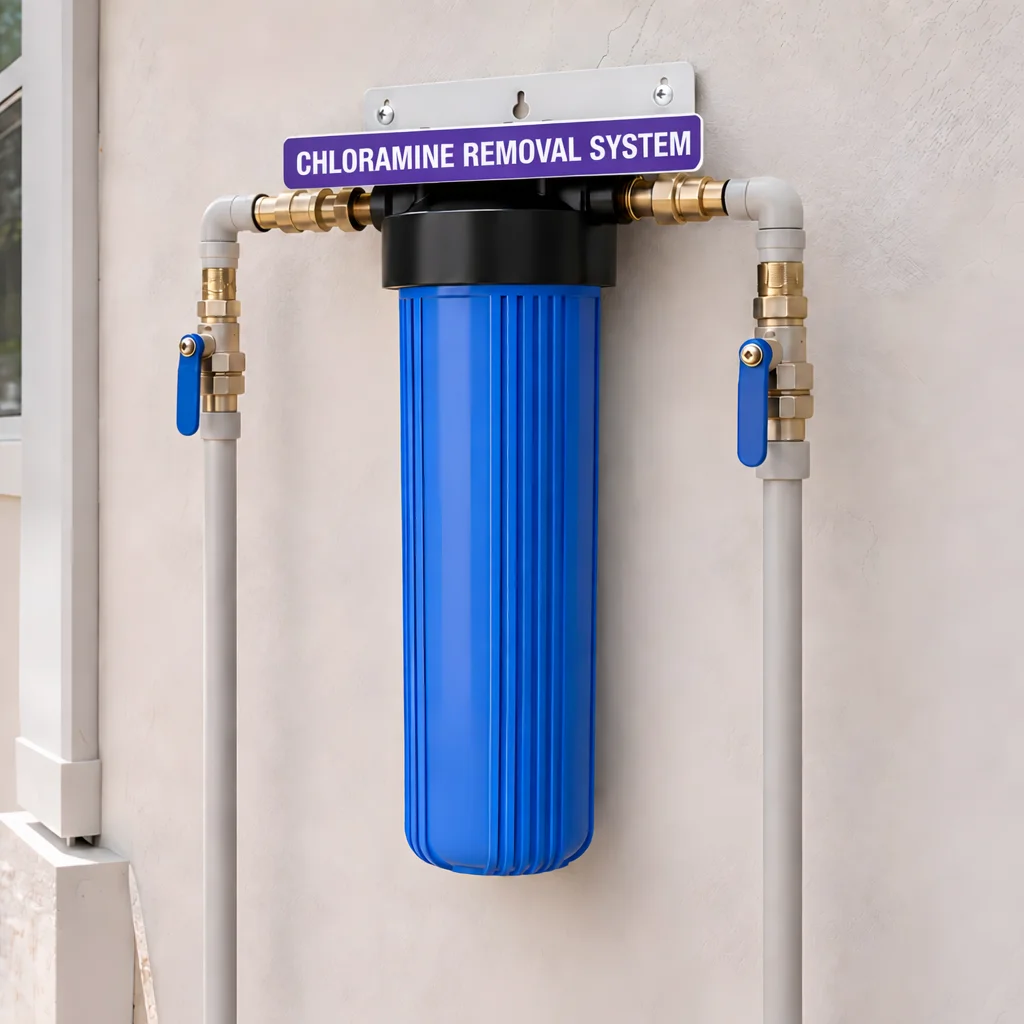
For a single-filter whole-house approach, catalytic carbon is usually the best choice for reducing chloramine. Unlike standard activated carbon, catalytic carbon is formulated to break down chloramine more effectively as water passes through the media. A single tank with the correct catalytic carbon media will treat water used throughout a Pine Air home — from showers and laundry to kitchen and drinking taps.
When sized correctly, a catalytic carbon system gives enough contact time for chloramine conversion and adsorption, improving taste and odor while lowering disinfectant byproducts that cause that treated-water smell. Because monochloramine, dichloramine, and trichloramine can respond differently, matching the system’s flow rate and capacity to your household needs is important—especially in areas of Pine Air where water source and hardness vary. Mr. Pure Water can help recommend a whole-house catalytic carbon setup tailored to your plumbing and family’s daily demand.
 561-300-5075
 info@bestwaterheater.com

