 Phone: 561-300-5075
 info@bestwaterheater.com
Phone: 561-300-5075
info@bestwaterheater.com
info@bestwaterheater.com
Phone: 561-300-5075
info@bestwaterheater.com
 Phone: 561-300-5075
info@bestwaterheater.com
Phone: 561-300-5075
info@bestwaterheater.com

Including filter system and high-performance Chloride filter.


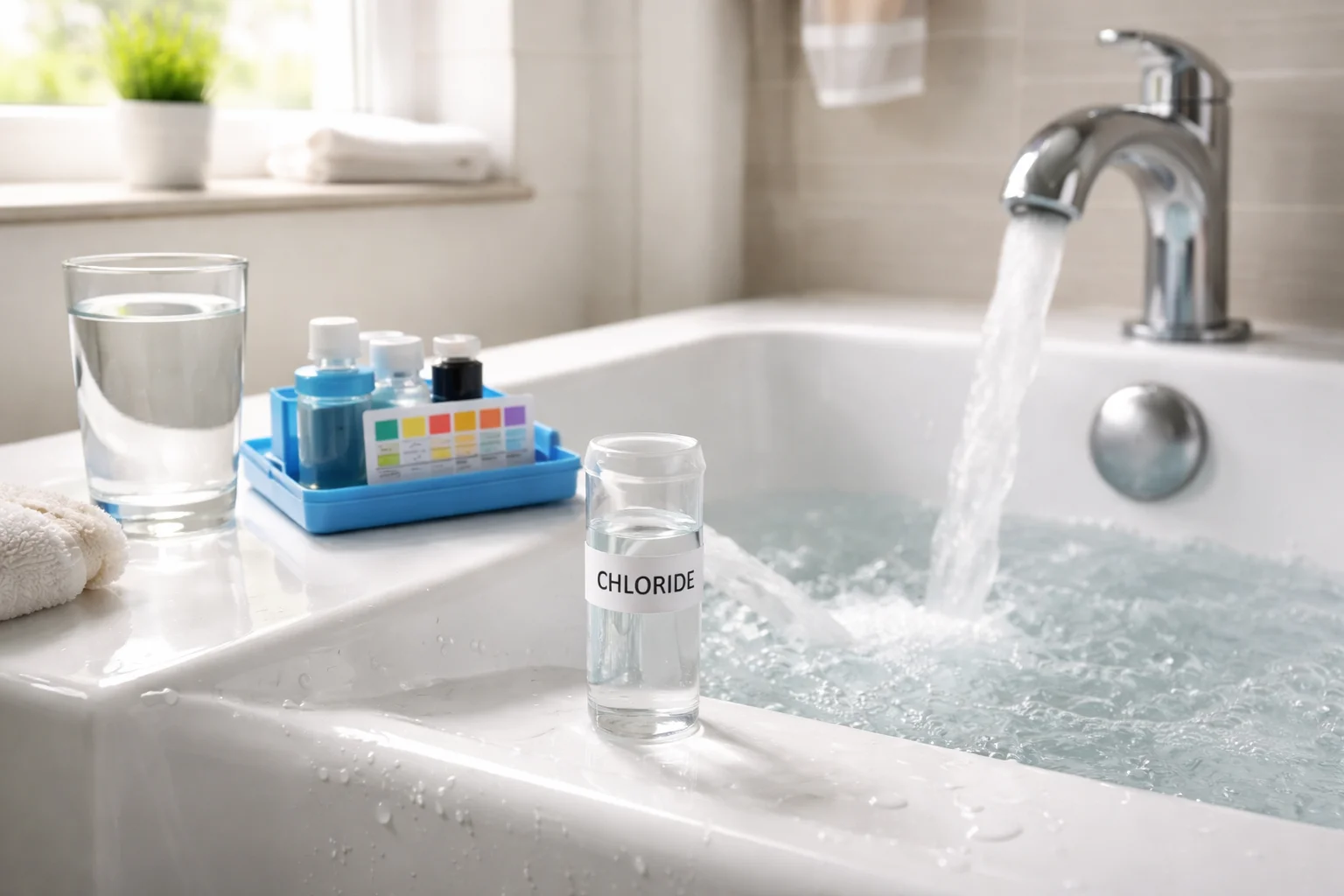
Chloride is a common dissolved ion that turns up in many water sources and can also enter supplies from things like road salts, water softener discharge, or industrial runoff. In Cloud Lake homes you might first notice higher chloride as a salty or brackish flavor, especially from the cold tap. While chloride isn’t a bacterium, its presence often signals elevated dissolved salts overall, which is worth watching whether you’re on municipal groundwater in Palm Beach County or a private well near the lake.
Aside from taste, chloride can worsen corrosion in certain plumbing materials when combined with factors like pH and total dissolved solids, potentially causing staining, pinhole leaks, or shorter appliance life over time. Because chloride is dissolved, standard sediment filters and many basic taste-and-odor cartridges won’t remove it. In the humid subtropical climate around Cloud Lake, where hard water and mineral scale are common, testing your water is the best way to know if chloride or other dissolved salts are contributing to problems and to pick the right treatment.
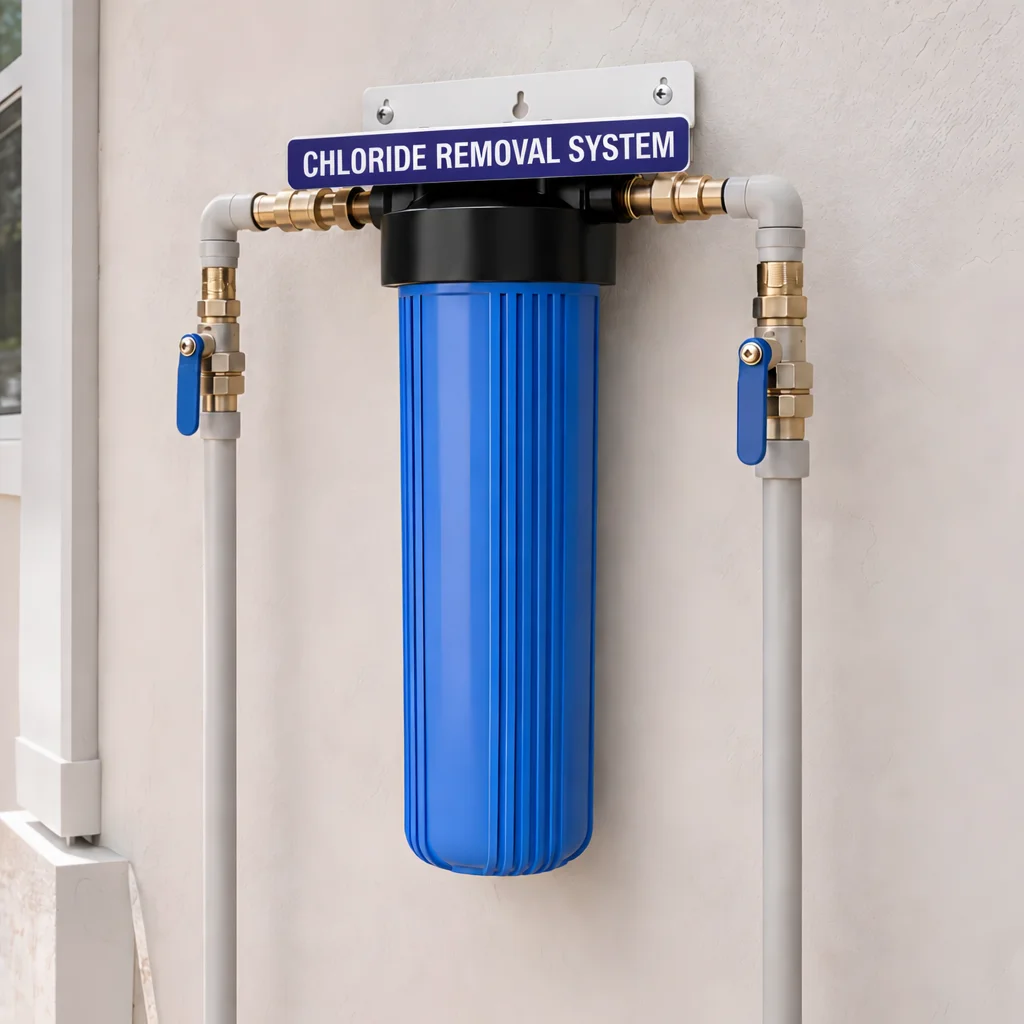
Reverse osmosis is generally the most effective single‑filter method for cutting chloride because RO membranes are built to reject dissolved ions rather than just particles. An RO system can substantially lower chloride and other dissolved salts that cause a salty taste, which is why it’s recommended when the goal is reducing total dissolved solids rather than only filtering sediment or odors. Many Cloud Lake households install RO where they cook and drink, since whole‑house RO requires greater flow capacity and storage to treat all water in the home.
If you want a whole‑house approach in Cloud Lake or the greater Palm Beach County area, match the system to your measured chloride level and household demand: whole‑house RO can be built to serve an entire home but typically needs prefiltration to protect the membrane and storage to meet peak flows. Note that a water softener reduces hardness common in South Florida but does not remove chloride and can raise sodium and chloride in its discharge. Mr. Pure Water can help test your water, identify the source of a salty taste, and design a whole‑house RO configuration that targets chloride while accounting for hard groundwater and typical local needs.
 561-300-5075
 info@bestwaterheater.com

