 Phone: 850-772-1365
 info@bestwaterheater.com
Phone: 850-772-1365
info@bestwaterheater.com
info@bestwaterheater.com
Phone: 850-772-1365
info@bestwaterheater.com
 Phone: 850-772-1365
info@bestwaterheater.com
Phone: 850-772-1365
info@bestwaterheater.com

Including filter system and high-performance Chloride filter.


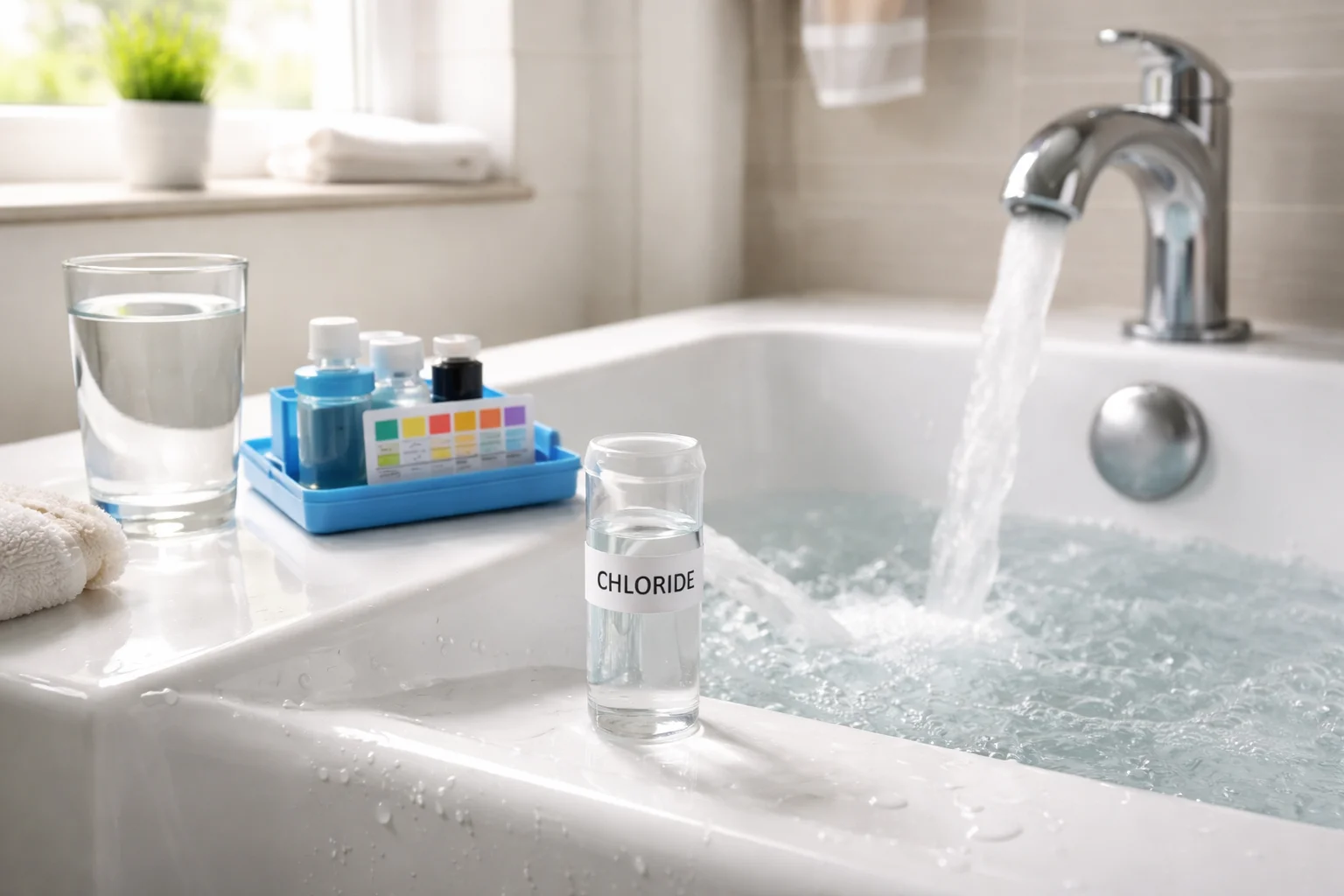
Chloride is a dissolved ion that shows up in many water sources and can also get into drinking water from road salts, water softener discharge, or industrial activity. In Creels households, people often first notice elevated chloride as a salty or brackish taste, especially from cold tap water. While chloride itself isn’t a microorganism, its presence can indicate higher levels of dissolved salts overall — something well owners and those near coastal or low-lying areas in and around Creels may want to watch for.
Besides affecting flavor, chloride can increase corrosion risk for some plumbing materials and fixtures when paired with certain water chemistry conditions like pH or high total dissolved solids. Over time that combination can lead to pinhole leaks, staining, or shorter appliance lifespans in Creels homes. Because chloride is dissolved, ordinary sediment filters and many taste-and-odor cartridges won’t remove it, so testing your water is the best way to know if chloride levels are high and which treatment will work for your house.
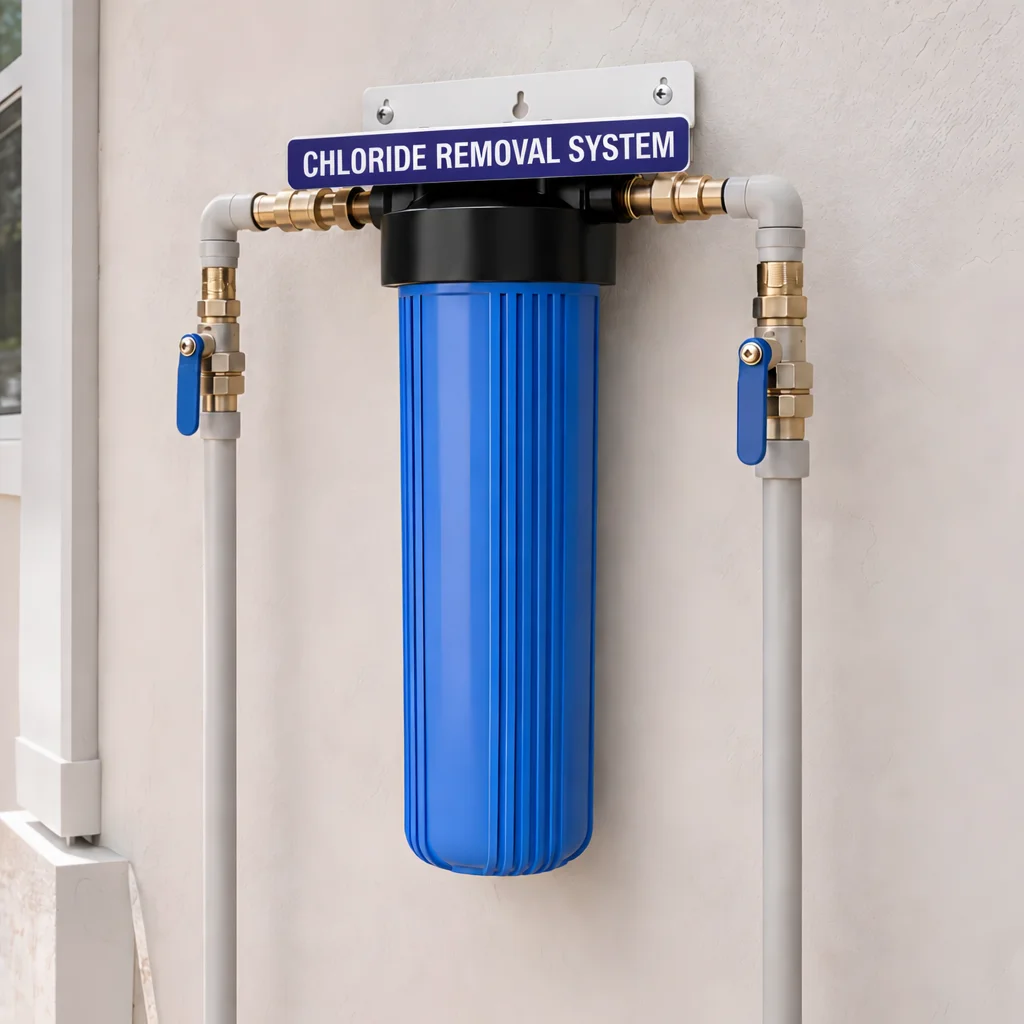
Reverse osmosis is the single-filter method most effective at reducing dissolved ions like chloride, because RO membranes block salts as well as many other dissolved solids. For Creels homeowners wanting to cut a salty taste at the kitchen tap and lower overall dissolved salts, an RO unit can make a noticeable difference. RO is commonly used where you cook and drink water; treating every outlet in the house requires larger systems and different flow considerations.
If you want whole-house chloride control in Creels, match the system to your measured chloride level and household demand — whole-house RO setups exist but typically need prefiltration to protect the membrane and a storage tank to meet peak use. Keep in mind a standard water softener lowers hardness but does not remove chloride and can raise sodium and chloride in its discharge, so it isn’t a solution for salty taste. Mr. Pure Water can help test your Creels water, confirm the source of any salty flavor, and design a whole-home RO configuration that addresses chloride appropriately.
 850-772-1365
 info@bestwaterheater.com

