 Phone: 305-404-8790
 info@bestwaterheater.com
Phone: 305-404-8790
info@bestwaterheater.com
info@bestwaterheater.com
Phone: 305-404-8790
info@bestwaterheater.com
 Phone: 305-404-8790
info@bestwaterheater.com
Phone: 305-404-8790
info@bestwaterheater.com

Including filter system and high-performance Chloride filter.


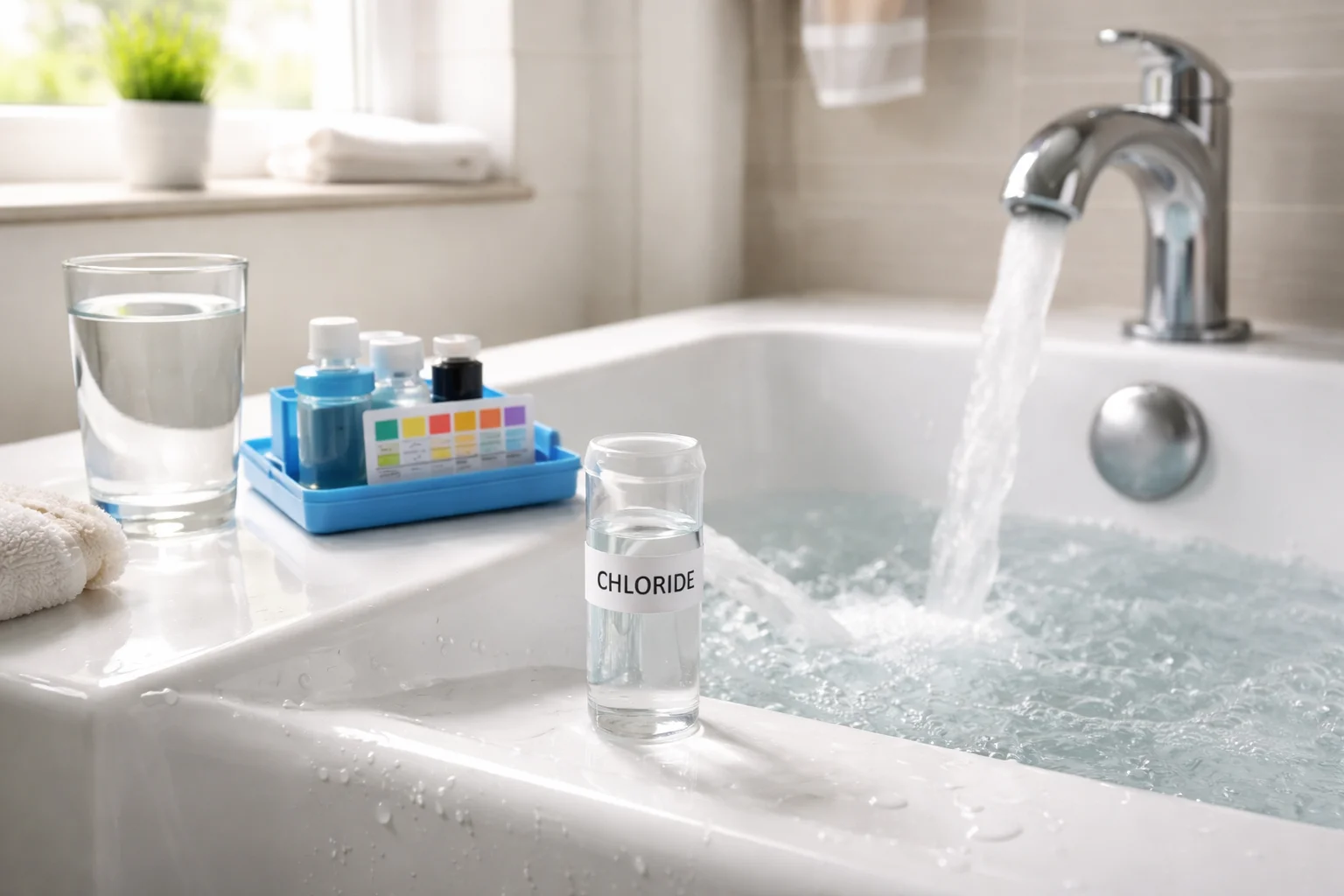
Chloride is a common dissolved ion that can show up in drinking water from natural sources, road de-icing, water softener discharge, or industrial runoff. At home you’ll often notice it as a salty or brackish flavor—especially in cold tap water—rather than as a visible contaminant. While chloride isn’t a bacterium, its presence can indicate elevated dissolved salts overall. In Glenwood Heights, whether you’re on a private well or a municipal supply, it’s wise to keep an eye on chloride as part of routine water testing given our humid subtropical climate and the variability in local water quality.
High chloride levels can accelerate corrosion in some pipes, fixtures, and appliances when combined with other factors like pH and total dissolved solids, leading over time to pinhole leaks, staining, or shorter equipment life. Because chloride is dissolved, it won’t be caught by sediment filters or many basic taste-and-odor cartridges. The best step is a recent water test to check chloride alongside hardness and any sulfur or iron issues, so you can pick the right treatment for your Glenwood Heights home.
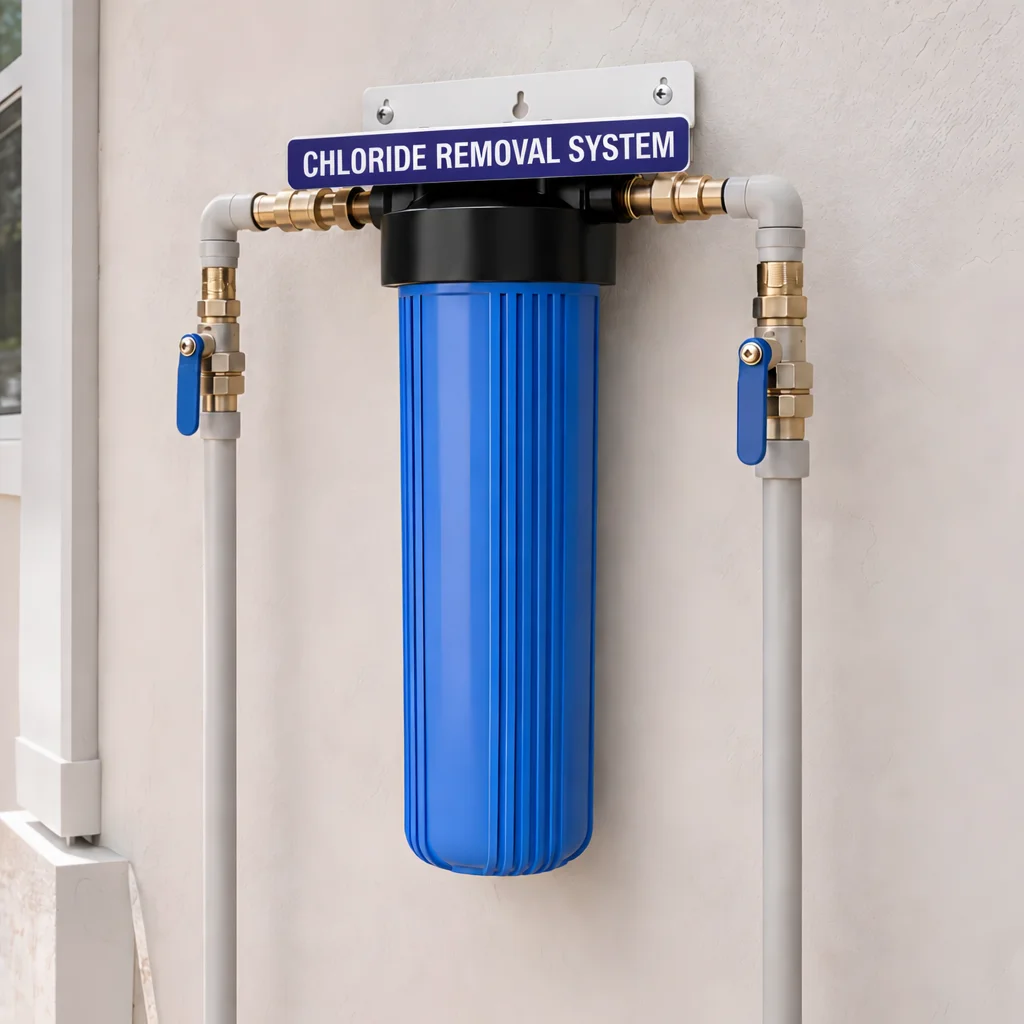
Reverse osmosis is usually the most effective single-filter method for reducing chloride because RO membranes reject dissolved ions rather than just particles. An RO system can noticeably lower chloride and other dissolved salts that cause a salty taste, which is why it’s often recommended when the goal is reducing total dissolved solids, not merely removing sediment or odors. Many Glenwood Heights homeowners install RO at the kitchen sink for drinking and cooking water because whole-house RO requires more flow capacity and storage.
If you want whole-house treatment in Glenwood Heights, match the system to your measured chloride level and household demand. Whole-home RO setups can be built to feed every tap but typically need prefiltration to protect the membrane and a storage tank to meet peak use. Remember a water softener treats hardness but does not remove chloride and can raise sodium and chloride in its discharge. Mr. Pure Water can help verify the salty taste source with a current test and design a whole-house RO plan sized for your home and usage patterns.
 305-404-8790
 info@bestwaterheater.com

