 Phone: 321-400-9302
 info@bestwaterheater.com
Phone: 321-400-9302
info@bestwaterheater.com
info@bestwaterheater.com
Phone: 321-400-9302
info@bestwaterheater.com
 Phone: 321-400-9302
info@bestwaterheater.com
Phone: 321-400-9302
info@bestwaterheater.com

Including filter system and high-performance Chlorine Dioxide filter.


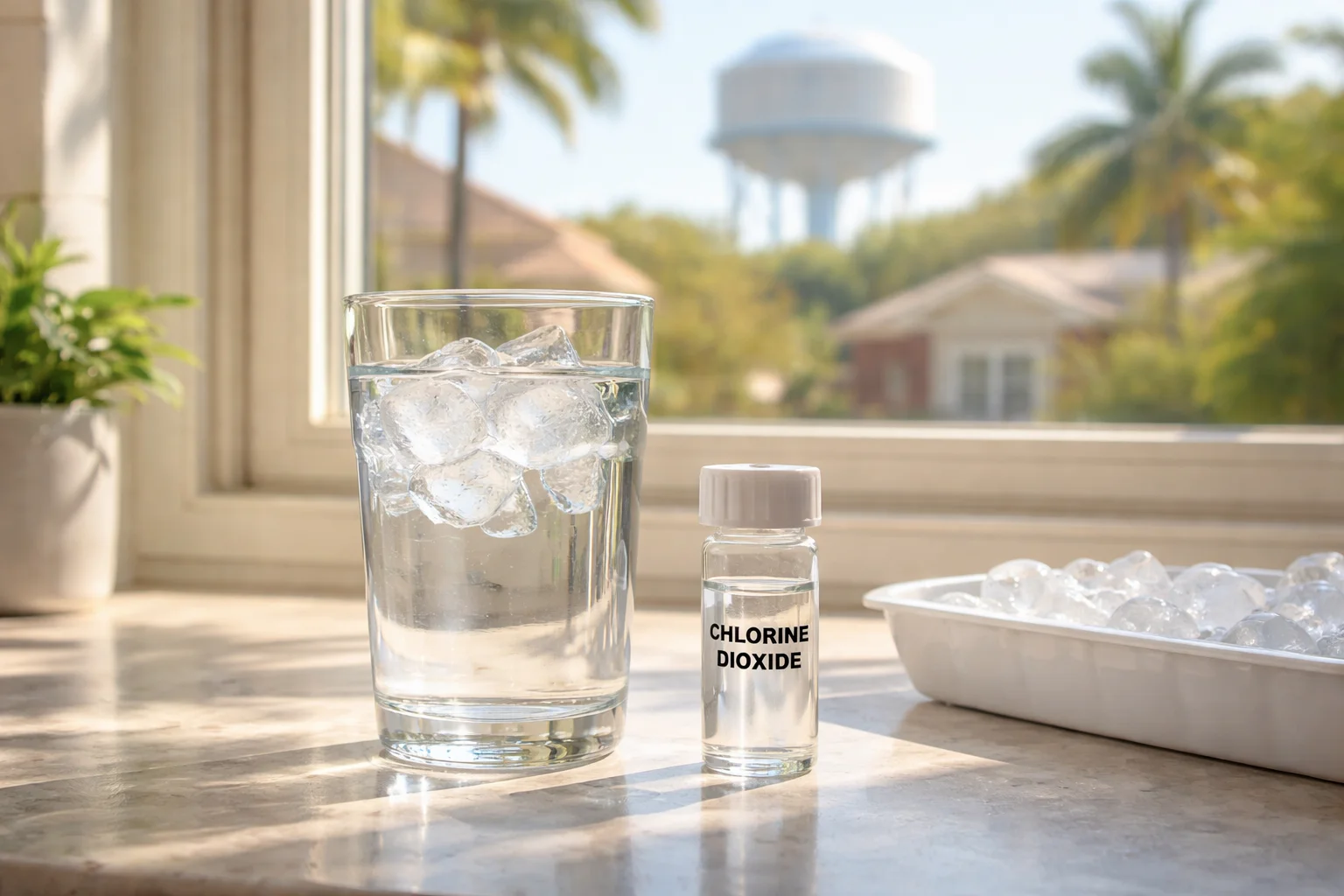
Chlorine dioxide is a potent disinfectant sometimes used in drinking water systems. When levels are noticeable, it can give tap and shower water a sharp chemical taste or lingering odor that’s hard to ignore. In Tropic’s humid subtropical climate, homeowners may especially notice drier-feeling skin or hair after bathing when water carries a strong oxidizing scent. If your household water suddenly seems harsher or more smelly than usual, chlorine dioxide is one possible cause to investigate.
Because chlorine dioxide reacts with organic matter and minerals, it can create related byproducts that affect taste and smell even when water looks clear. Those odors are often more apparent in hot water or after water has sat in pipes, which can be an issue for Tropic homes whether you’re on municipal supply or a private well. If you’re avoiding the tap for drinking but still getting odor in showers or during cooking, treating water at the point of entry—so every faucet and appliance benefits—usually makes the biggest difference.
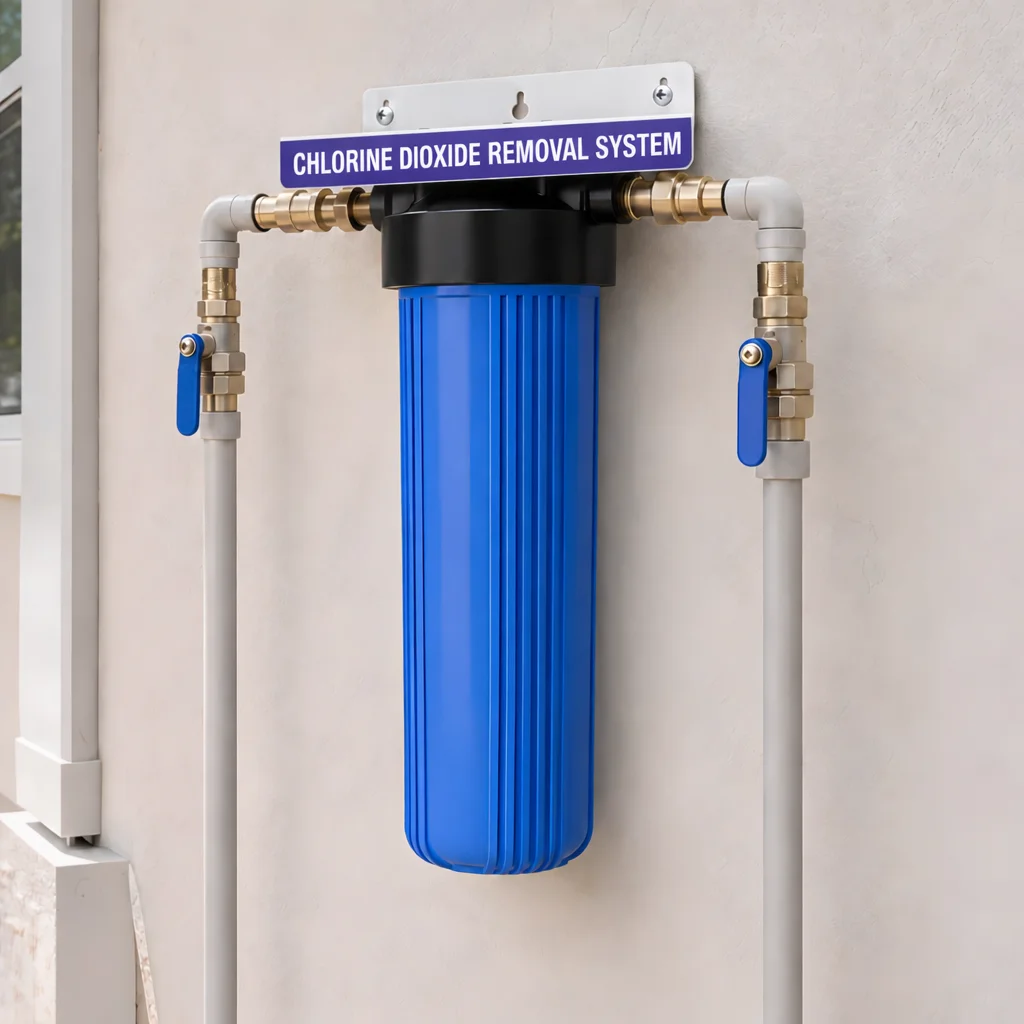
For whole-home reduction of chlorine dioxide, a catalytic carbon whole-house filter is generally the best single-filter choice. Carbon media is commonly used to reduce disinfectants and improve taste and odor, and catalytic carbon is designed to handle more reactive, oxidizing compounds. Installed where water enters your Tropic house, this system treats all fixtures and appliances without changing how you use water day to day, leaving your showers, laundry and cooking water smelling and tasting cleaner.
A correctly sized catalytic carbon system focuses on sufficient contact time and enough media capacity—both essential for steady chlorine dioxide reduction. It also saves you the upkeep of multiple under-sink units or relying on pitchers that don’t address showers and washing machines. Mr. Pure Water can help Tropic homeowners choose a whole-house catalytic carbon filter matched to your home’s flow rate and usage patterns, and we recommend a water test first if you want confirmation that chlorine dioxide is the likely culprit.
 321-400-9302
 info@bestwaterheater.com

