 Phone: 954-208-3500
 info@bestwaterheater.com
Phone: 954-208-3500
info@bestwaterheater.com
info@bestwaterheater.com
Phone: 954-208-3500
info@bestwaterheater.com
 Phone: 954-208-3500
info@bestwaterheater.com
Phone: 954-208-3500
info@bestwaterheater.com

Including filter system and high-performance Chlorine filter.


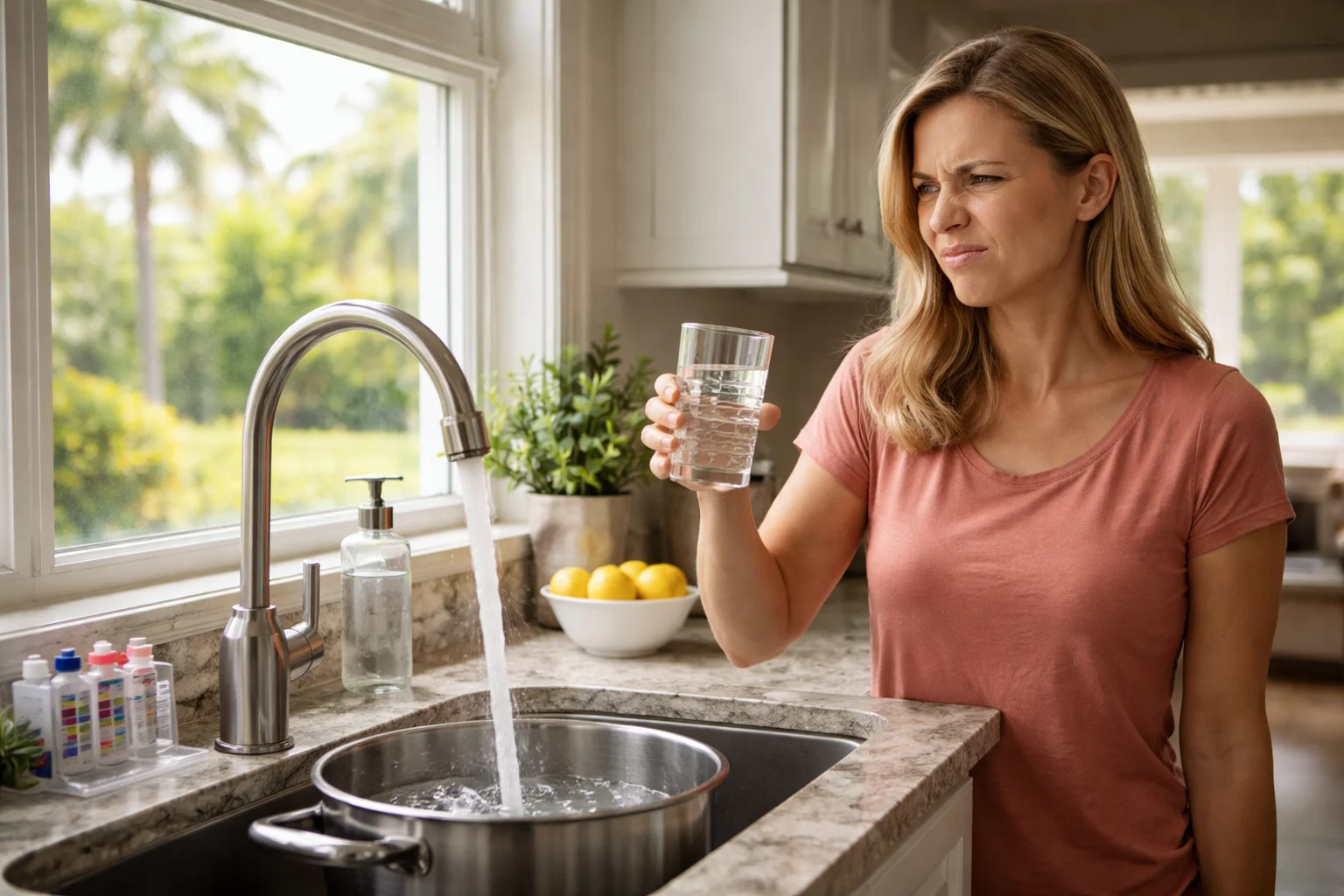
Many homeowners in Florida notice a pool-like chlorine smell or a lingering aftertaste at the tap. Water utilities commonly add chlorine as a disinfectant to help control microbes as water travels through distribution lines, and some residual can remain in finished water. While that residual helps public health, it can make drinking, cooking, and bathing less enjoyable for Harbor Beach residents.
You may notice a chlorine taste in cold drinks, ice, or water that’s been sitting in pipes, and that flavor can be stronger after standing overnight. A chlorine odor often becomes more obvious in hot water or during steamy showers as the smell releases into the air. Some homeowners also report that their skin or hair feels drier after bathing when disinfectant levels are higher. If you’d like water that smells and tastes more neutral throughout your Harbor Beach home, cutting down on chlorine is a common and effective step.
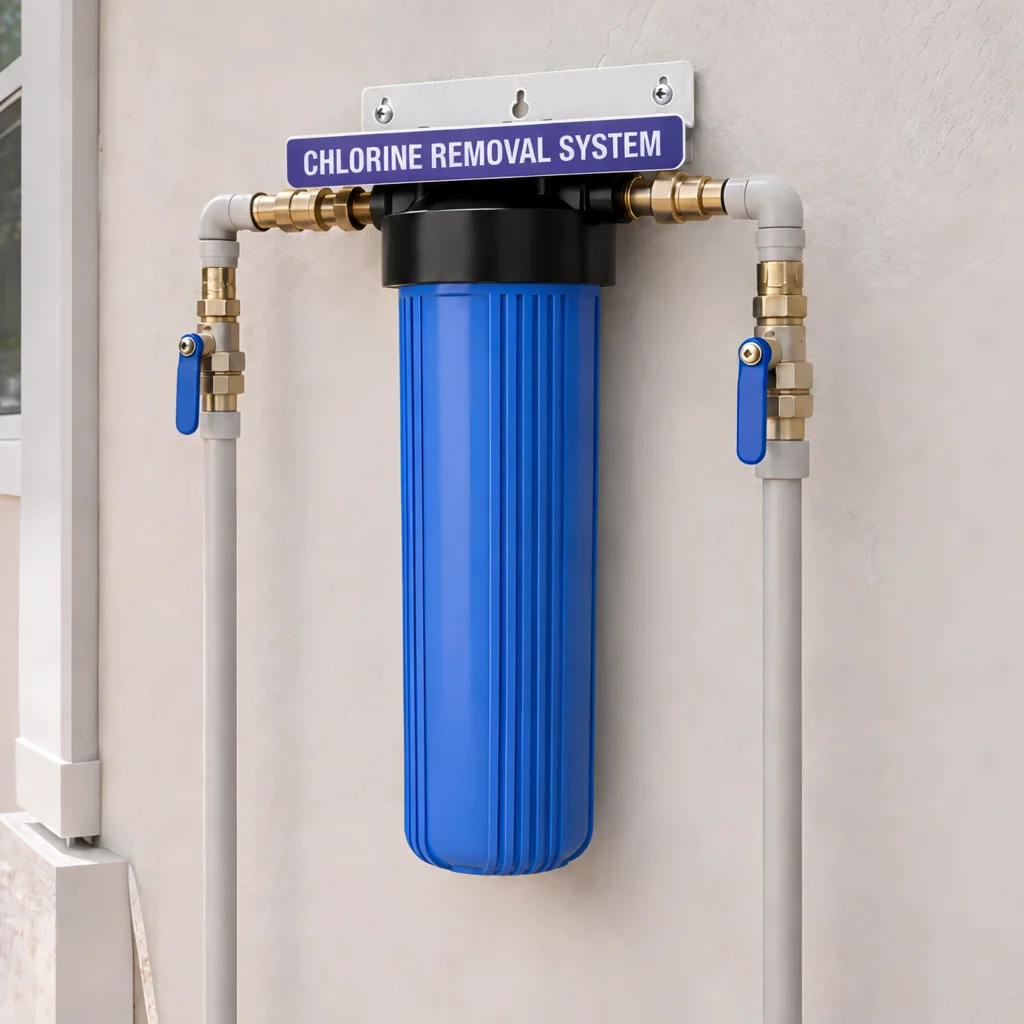
For treating chlorine throughout the whole house, a single tank-style activated carbon filter is usually the best one-filter solution. Catalytic carbon is especially effective at removing disinfectants, delivering strong chlorine reduction while maintaining good flow for showers, laundry, and multiple fixtures. Unlike small under-sink cartridges, a correctly sized whole-home carbon system treats water before it reaches Harbor Beach plumbing so you address chlorine taste and chlorine odor at every tap instead of just one sink.
Mr. Pure Water installs whole-house catalytic carbon systems to reduce chlorine as water enters your Harbor Beach home, improving taste and smell across kitchens, bathrooms, and outdoor spigots. These filters adsorb chlorine as water passes through the carbon media, without introducing chemicals, and the right tank size ensures sufficient contact time and flow for consistent performance. With a properly sized system you’ll notice more comfortable showers and cleaner-tasting water throughout the house, while keeping in mind coastal conditions that can increase salt-air corrosion risk for outdoor components.
 954-208-3500
 info@bestwaterheater.com

