 Phone: 305-404-8790
 info@bestwaterheater.com
Phone: 305-404-8790
info@bestwaterheater.com
info@bestwaterheater.com
Phone: 305-404-8790
info@bestwaterheater.com
 Phone: 305-404-8790
info@bestwaterheater.com
Phone: 305-404-8790
info@bestwaterheater.com

Including filter system and high-performance Chlorine filter.


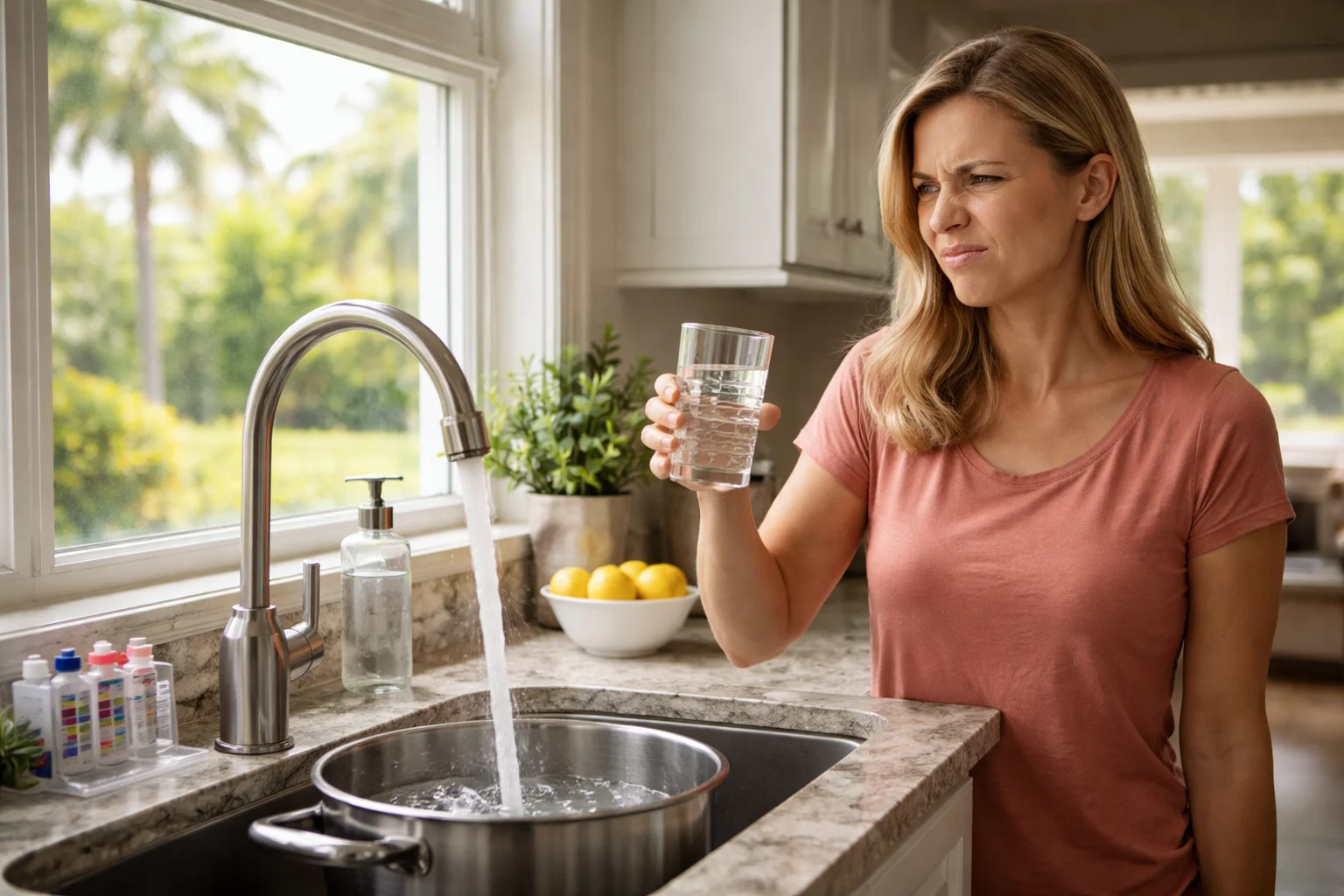
Many Thompson residents recognize chlorine in tap water as a sharp, pool-like smell or a persistent aftertaste. Utilities commonly add chlorine as a disinfectant to protect water in distribution lines, and traces can remain in finished water that reaches your faucets. While it helps keep water safe as it moves through the system, the residual can make drinking, cooking and bathing less pleasant for some households.
You might notice a chlorine taste in cold drinks, ice, or a glass of tap water, and it can seem stronger after water has been sitting in pipes. The chlorine odor often becomes more pronounced in hot showers as steam releases the smell into the bathroom. Some homeowners also report hair or skin feeling drier after bathing when disinfectant levels are higher. If you’d like water that tastes and smells more neutral throughout your Thompson home, lowering chlorine is a sensible first step.
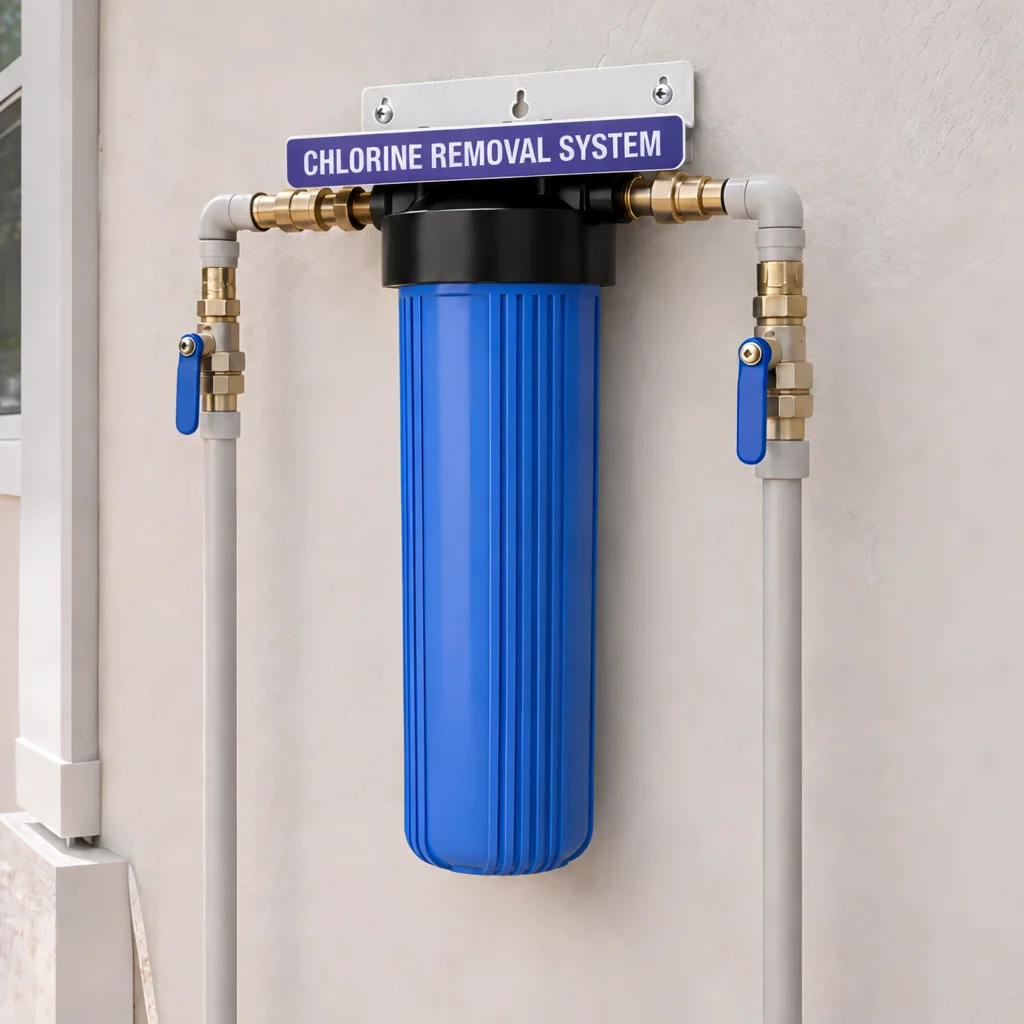
The most reliable one-filter option for whole-house chlorine control is a tank-style activated carbon system, and catalytic carbon is especially effective at breaking down disinfectants. These systems offer solid chlorine reduction while keeping good flow for showers, laundry and multiple fixtures around the house. Unlike small under-sink cartridges, a properly sized whole-home carbon tank treats water at the point of entry so chlorine taste and chlorine odor are addressed at every tap in your Thompson home.
Mr. Pure Water installs whole-house catalytic carbon filtration to reduce chlorine at the point where water enters your Thompson home, improving taste and smell across kitchens, bathrooms and outdoor spigots. The carbon media adsorbs chlorine as water flows through without introducing chemicals, and selecting the correct tank size ensures adequate contact time and flow for daily use. With a properly sized system you’ll notice better-smelling showers and cleaner-tasting water throughout the house—especially useful in areas where source water and seasonal conditions can affect water quality.
 305-404-8790
 info@bestwaterheater.com

