 Phone: 850-772-1365
 info@bestwaterheater.com
Phone: 850-772-1365
info@bestwaterheater.com
info@bestwaterheater.com
Phone: 850-772-1365
info@bestwaterheater.com
 Phone: 850-772-1365
info@bestwaterheater.com
Phone: 850-772-1365
info@bestwaterheater.com

Including filter system and high-performance Chromium-6 filter.


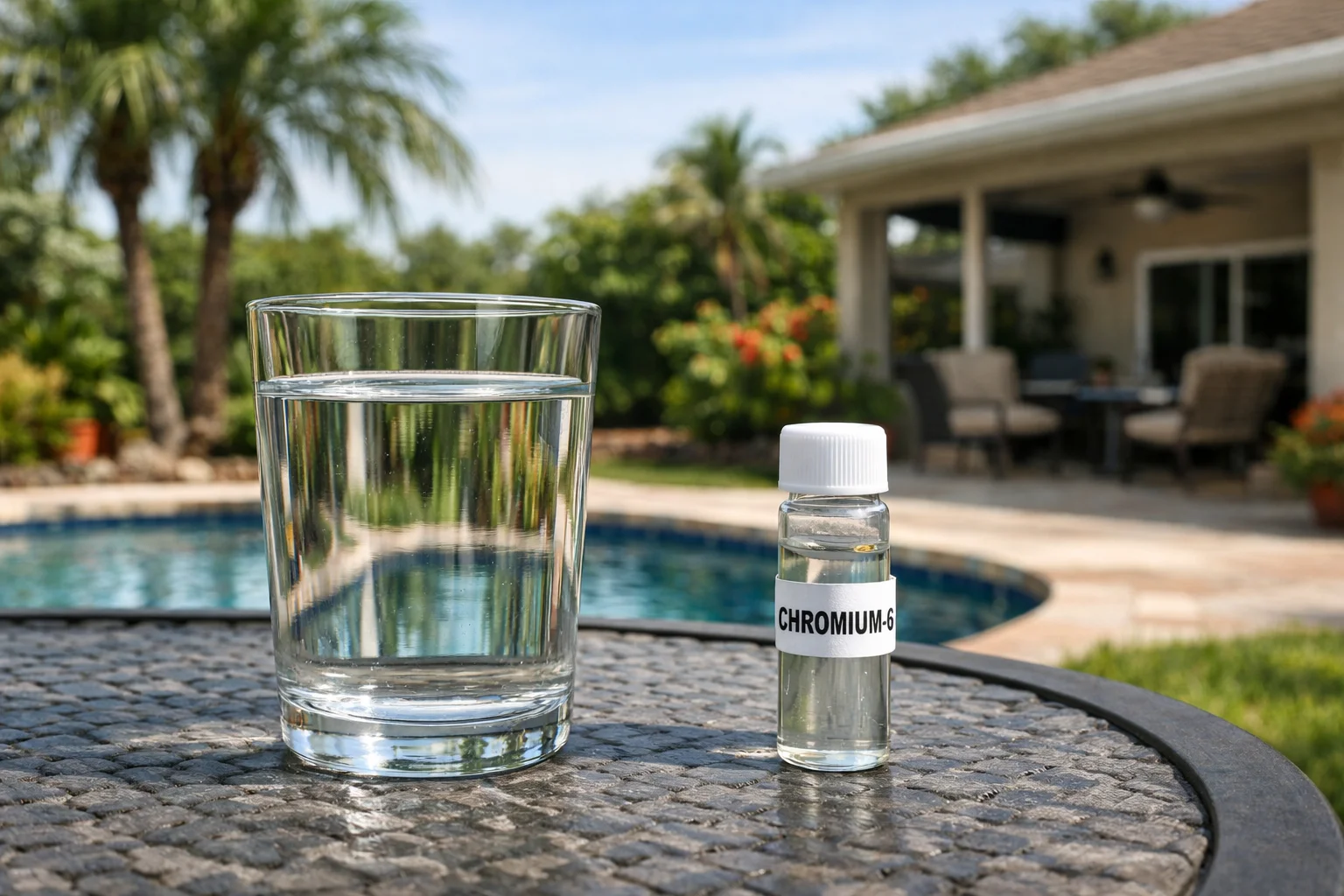
Chromium-6, also known as hexavalent chromium, is a form of chromium that can sometimes be present in tap water without any obvious taste, smell, or discoloration. Good Hope homeowners often don’t realize it’s there until they review a water test or annual report. It can get into drinking water through industrial activities, certain manufacturing processes, or contact with chromium-bearing materials, so understanding how it behaves and how it’s treated can give you more confidence in the water at every tap in your home.
Because chromium-6 stays dissolved in water, simple sediment or basic taste-and-odor cartridges won’t reliably remove it. Many Good Hope residences already use filters for chlorine or particulates, but those systems typically don’t address hexavalent chromium. Treating dissolved contaminants requires media engineered to attract and retain them. Installing filtration at the point of entry—so all showers, sinks, and appliances are covered—reduces reliance on single-faucet devices and helps protect household water throughout Good Hope.
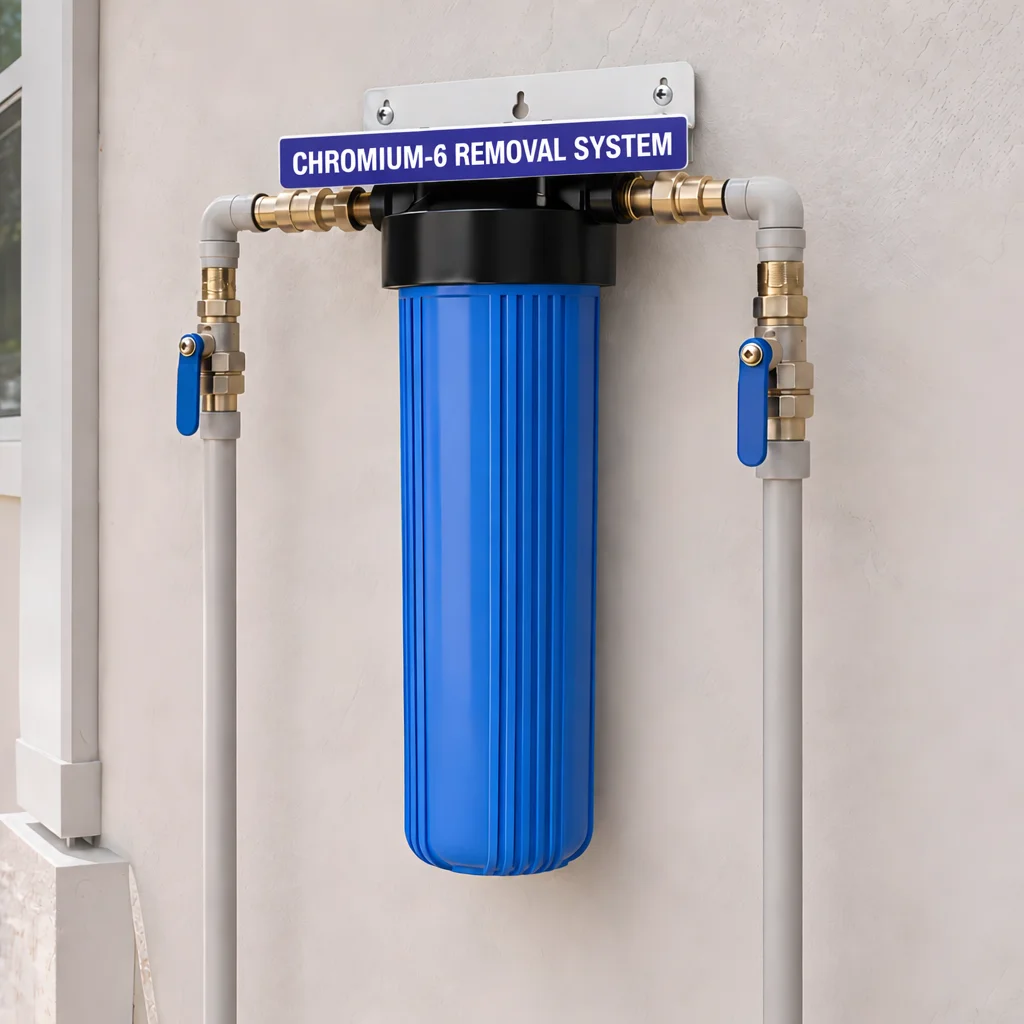
The single whole-house filter type most consistently used to reduce chromium-6 is a catalytic activated carbon system designed specifically for chromium reduction. This form of carbon can be formulated to promote conversion of chromium-6 into a species the media can capture as water passes through, allowing the filter to lower hexavalent chromium while also improving overall water quality. For Good Hope homeowners, the important detail is choosing catalytic carbon media selected for chromium-6 performance rather than generic carbon aimed only at taste and odor.
A correctly sized whole-house catalytic carbon filter depends on sufficient contact time and appropriate flow rates as much as the media itself. Mr. Pure Water designs systems for Good Hope homes so filters have the capacity and exposure time needed to address dissolved contaminants like chromium-6 at the point of entry. That means every bathroom, kitchen, and laundry line gets treated without daily fuss—making a whole-house catalytic carbon system a practical, low-maintenance choice for many residents.
 850-772-1365
 info@bestwaterheater.com

