 Phone: 772-290-5223
 info@bestwaterheater.com
Phone: 772-290-5223
info@bestwaterheater.com
info@bestwaterheater.com
Phone: 772-290-5223
info@bestwaterheater.com
 Phone: 772-290-5223
info@bestwaterheater.com
Phone: 772-290-5223
info@bestwaterheater.com

Including filter system and high-performance Chromium-6 filter.


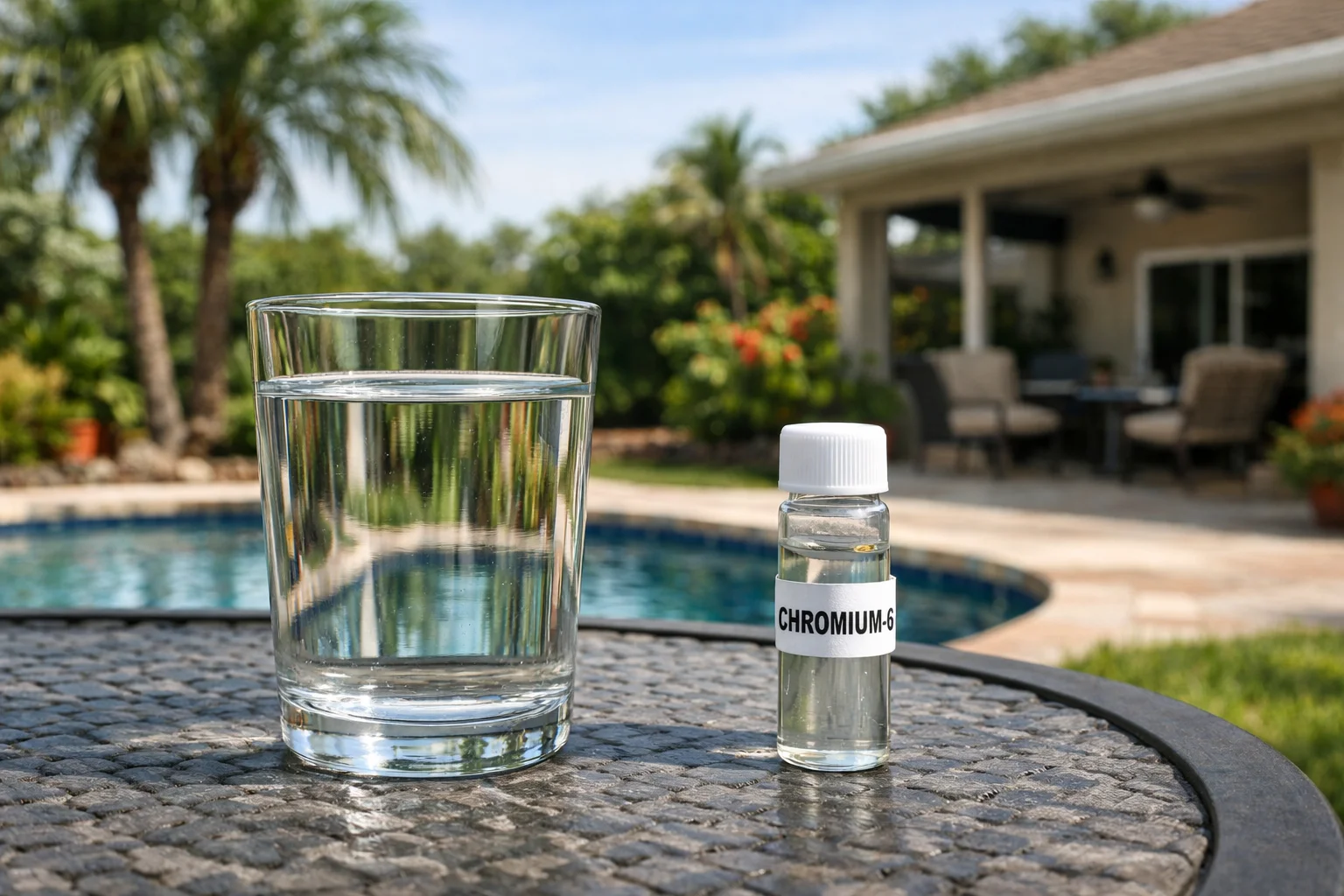
Chromium-6, sometimes called hexavalent chromium, can be present in tap water without any change in taste, smell, or appearance, so Rio homeowners may only learn about it from a water report or test. It can enter drinking water through industrial sources, certain manufacturing processes, or contact with chromium-bearing materials. Understanding how chromium-6 behaves in water and how it’s commonly treated will help you choose the right protection for your household in Rio’s humid subtropical environment.
Because chromium-6 is dissolved, it won’t be captured by a basic sediment or standard taste-and-odor filter most families already have. Addressing dissolved contaminants requires media designed to attract and retain them. A whole-house system installed at the point of entry treats water across showers, sinks, and appliances in Rio, so you’re not depending on a single under-sink filter for daily use—especially useful here where coastal conditions can affect plumbing.
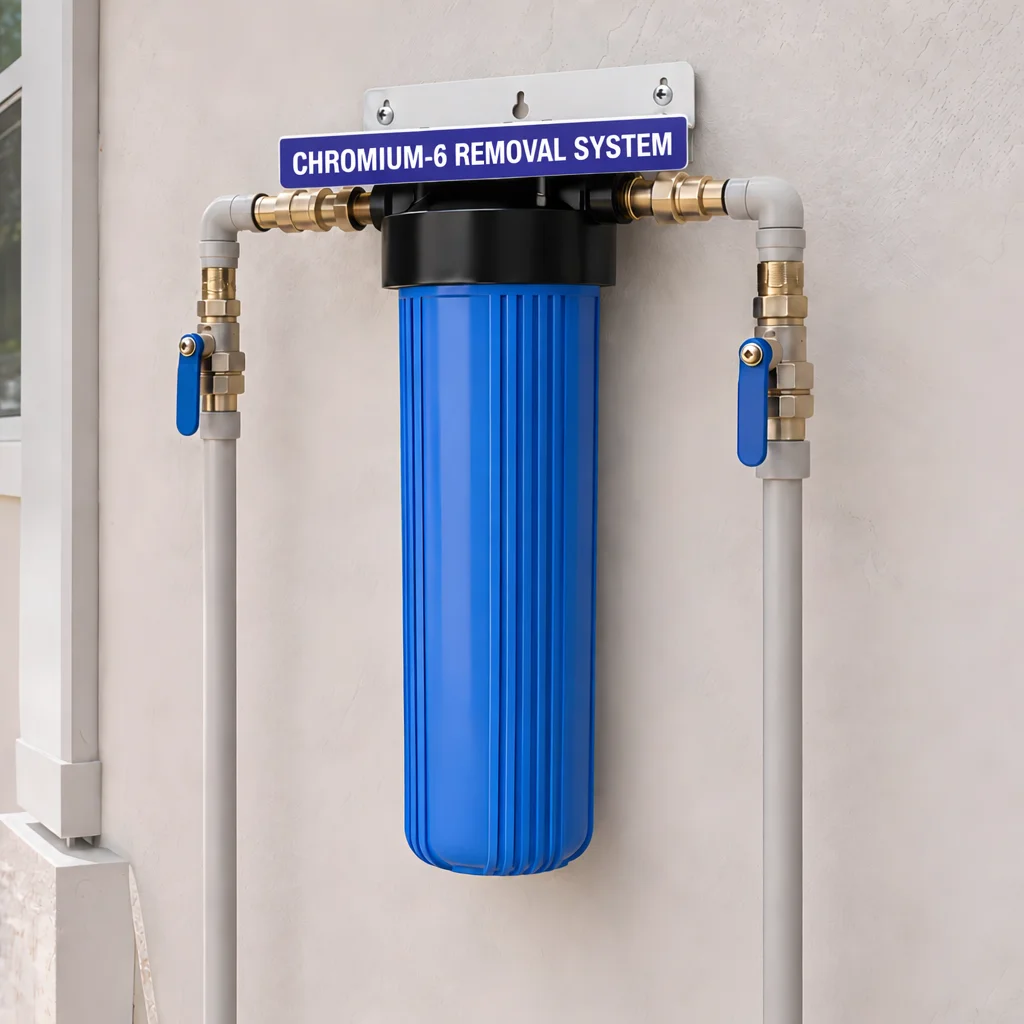
The single filter type most commonly used for whole-house chromium-6 reduction is a catalytic activated carbon system formulated specifically for chromium removal. This class of carbon is engineered to help convert hexavalent chromium into a form the media can capture as water passes through the tank. Along with reducing chromium-6, a properly selected catalytic carbon provides broad water-quality benefits that homeowners in Rio appreciate throughout the home.
For a catalytic carbon whole-house filter to work well in Rio homes, contact time and flow rate must be sized correctly so dissolved contaminants have enough exposure to the media. Mr. Pure Water designs systems with appropriate capacity and flow characteristics to treat contaminants effectively at the point of entry, protecting every bathroom, kitchen, and laundry line without ongoing complexity—important in coastal areas where corrosion or hurricane-related power outages can affect plumbing and treatment equipment.
 772-290-5223
 info@bestwaterheater.com

