 Phone: 772-290-5223
 info@bestwaterheater.com
Phone: 772-290-5223
info@bestwaterheater.com
info@bestwaterheater.com
Phone: 772-290-5223
info@bestwaterheater.com
 Phone: 772-290-5223
info@bestwaterheater.com
Phone: 772-290-5223
info@bestwaterheater.com

Including filter system and high-performance Chromium-6 filter.


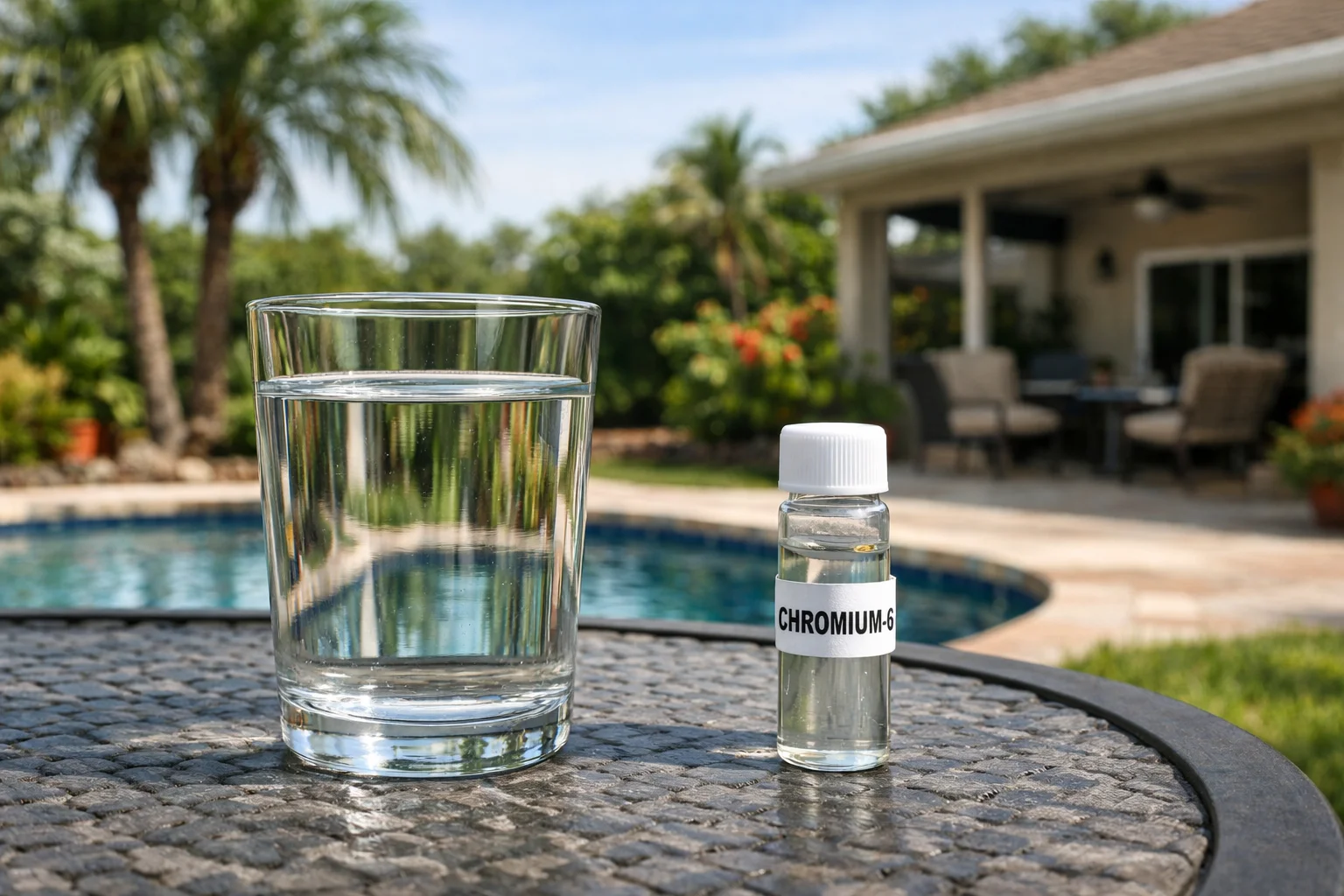
Chromium-6, often called hexavalent chromium, is a dissolved form of chromium that can be present in tap water without any taste, smell, or discoloration — so Saint Lucie homeowners may not notice it without testing. It can enter drinking water through industrial or manufacturing pathways or contact with chromium-bearing materials. For residents across St. Lucie County, from Port St. Lucie to Fort Pierce, knowing how chromium-6 behaves and what treatment options exist is the first step toward more confidence in the water at every tap.
Because chromium-6 stays dissolved, basic sediment cartridges won’t remove it; many homes in the Saint Lucie area already use filters for chlorine or particles, but those won’t necessarily address hexavalent chromium. Effective treatment targets dissolved contaminants with media designed to bind or transform them. A whole-house system treats water at the point of entry, protecting showers, sinks, and appliances throughout your humid subtropical community and avoiding reliance on a single faucet filter for everyday use.
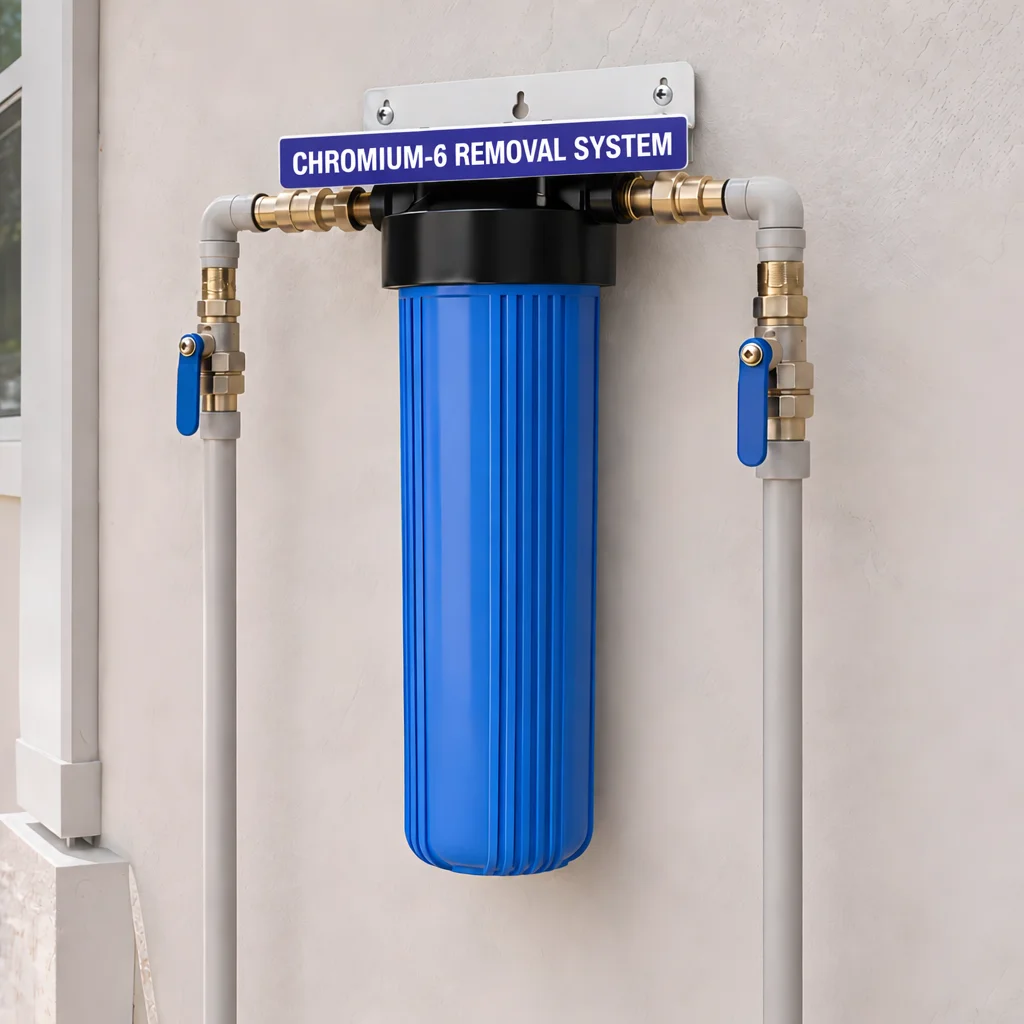
The single filter type most consistently used for whole-house chromium-6 reduction is a catalytic activated carbon system formulated specifically for chromium removal. This specialized carbon is designed to help convert and capture hexavalent chromium as water passes through the media, while also delivering the broad water-quality improvements homeowners appreciate. In hard-water areas like Saint Lucie, choosing carbon media selected for chromium-6 performance — not just standard taste-and-odor carbon — is important for consistent results.
Contact time and flow rate are just as important as the media in a whole-house catalytic carbon filter, and Mr. Pure Water sizes systems for Saint Lucie homes to ensure adequate exposure to treat dissolved contaminants like chromium-6. A properly designed point-of-entry system protects every bathroom, kitchen, and laundry line across St. Lucie County without adding everyday hassle. For many local homeowners, a whole-house catalytic carbon system offers a practical, low-maintenance way to address hexavalent chromium concerns while improving overall water quality amid our hard-water conditions.
 772-290-5223
 info@bestwaterheater.com

