 Phone: 850-772-1365
 info@bestwaterheater.com
Phone: 850-772-1365
info@bestwaterheater.com
info@bestwaterheater.com
Phone: 850-772-1365
info@bestwaterheater.com
 Phone: 850-772-1365
info@bestwaterheater.com
Phone: 850-772-1365
info@bestwaterheater.com

Including filter system and high-performance Cobalt filter.


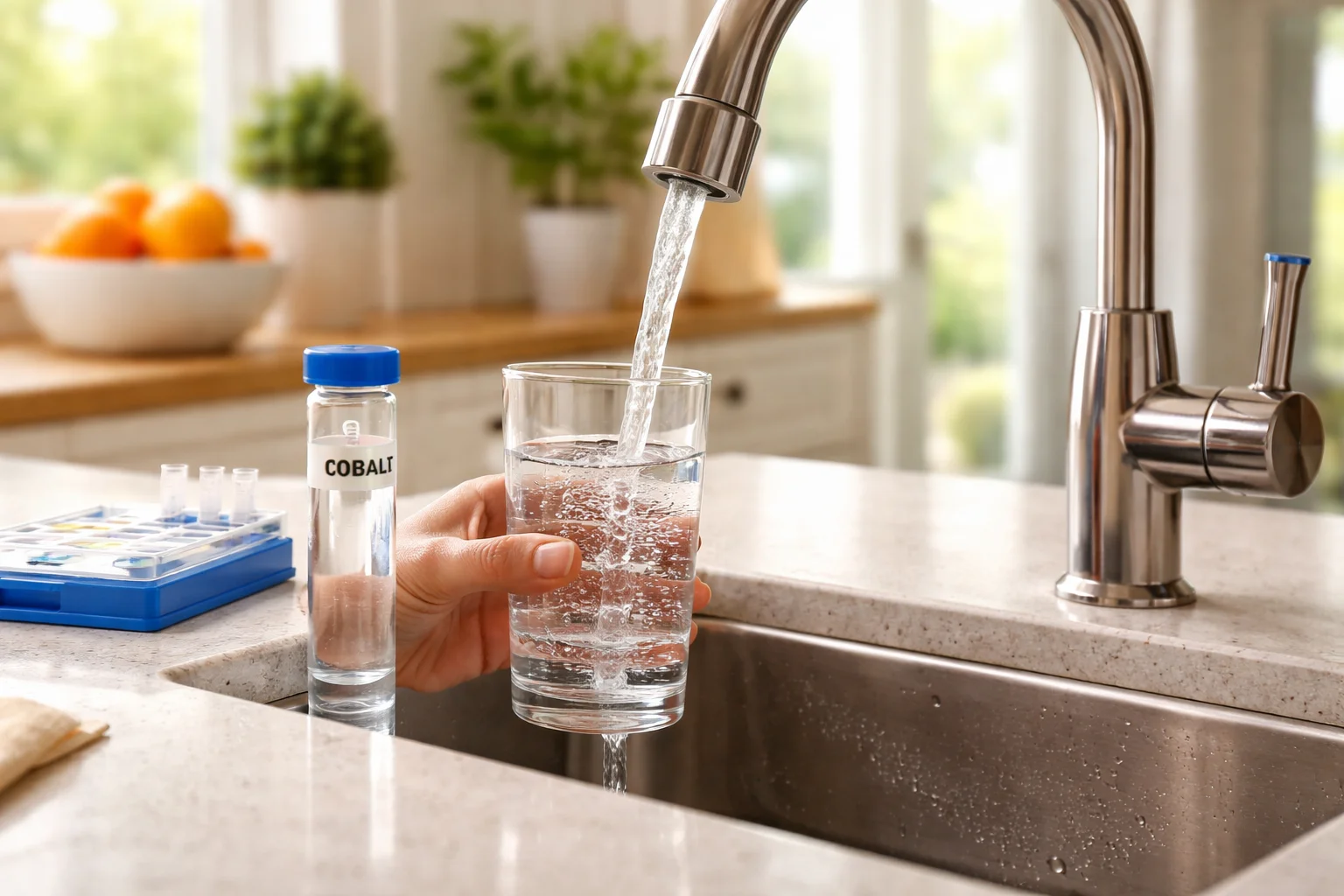
Cobalt is a naturally occurring metal that can enter water when it dissolves from certain rocks, soils, or industrial sources. It’s usually found at low concentrations in drinking water, but homeowners sometimes choose to address it if lab testing shows higher-than-expected results. Because cobalt is colorless and typically has no noticeable taste or odor, testing is the only reliable way to detect it — many Havana residents include metals screening when they test their household water.
When dissolved metals show up in your test results, looking at treatment for the entire house makes sense: cooking, drinking, bathing, and laundry all draw from the same supply. Cobalt can occur with other dissolved metals, so the most effective approach depends on how the metal is present and on your water’s overall chemistry. A sensible plan for Havana homeowners begins with a lab test and then pairs those results with a filtration method that specifically targets dissolved metal ions.
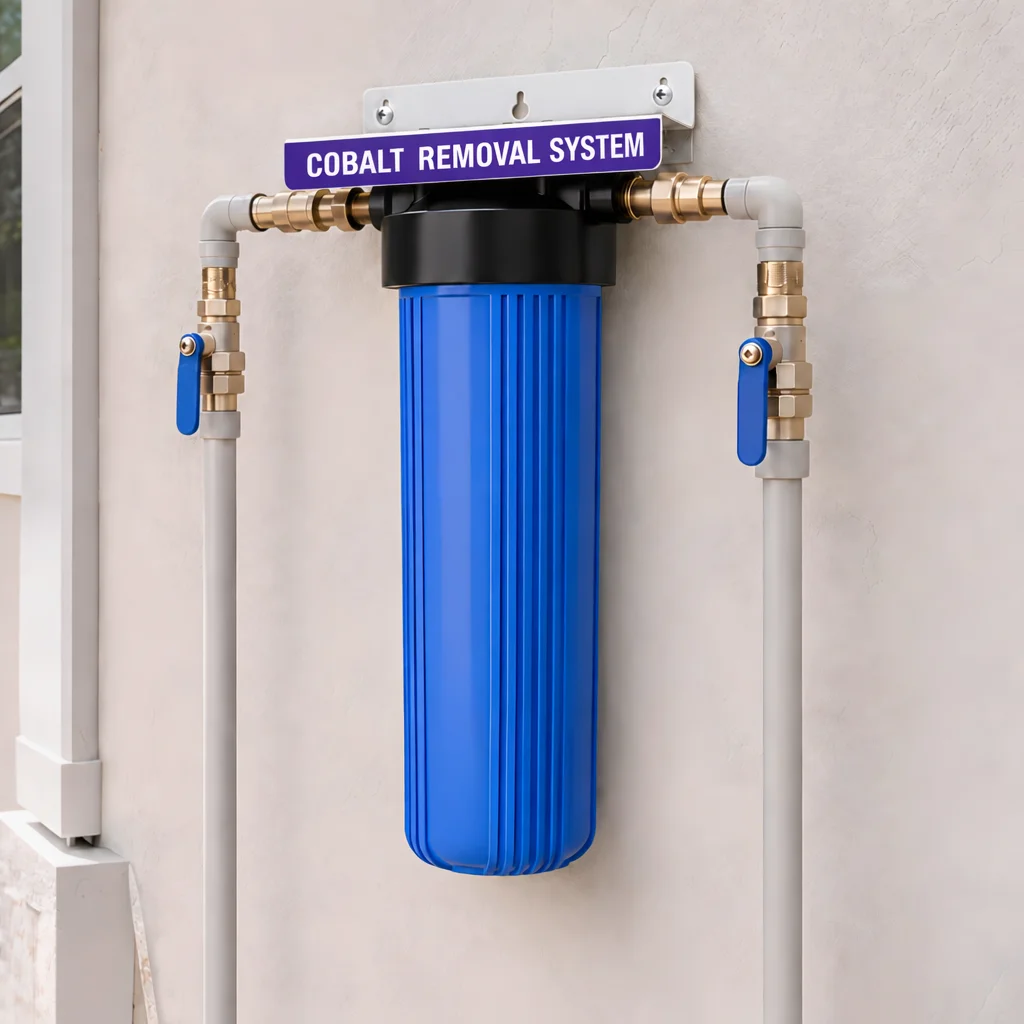
For whole-house protection against cobalt, the most effective single-filter choice is an ion exchange system formulated for dissolved metals. Ion exchange reduces cobalt by swapping the metal ions in your water for harmless ions on the filter media, and it performs continuously as water flows to every tap. This type of system is commonly used when you want consistent treatment across a home in Havana — from the kitchen sink to showers and appliances.
A correctly sized ion exchange filter is placed at the point where water enters your Havana home so cobalt is addressed before it reaches fixtures and plumbing. Like other media-based systems, it requires periodic maintenance to sustain performance, with service frequency based on your water quality and household use. If additional contaminants show up on your test, the ion exchange unit can be integrated into a broader whole-house treatment setup; Mr. Pure Water can review your results and recommend the right configuration for reliable cobalt reduction.
 850-772-1365
 info@bestwaterheater.com

