 Phone: 850-772-1365
 info@bestwaterheater.com
Phone: 850-772-1365
info@bestwaterheater.com
info@bestwaterheater.com
Phone: 850-772-1365
info@bestwaterheater.com
 Phone: 850-772-1365
info@bestwaterheater.com
Phone: 850-772-1365
info@bestwaterheater.com

Including filter system and high-performance Coliform Bacteria filter.


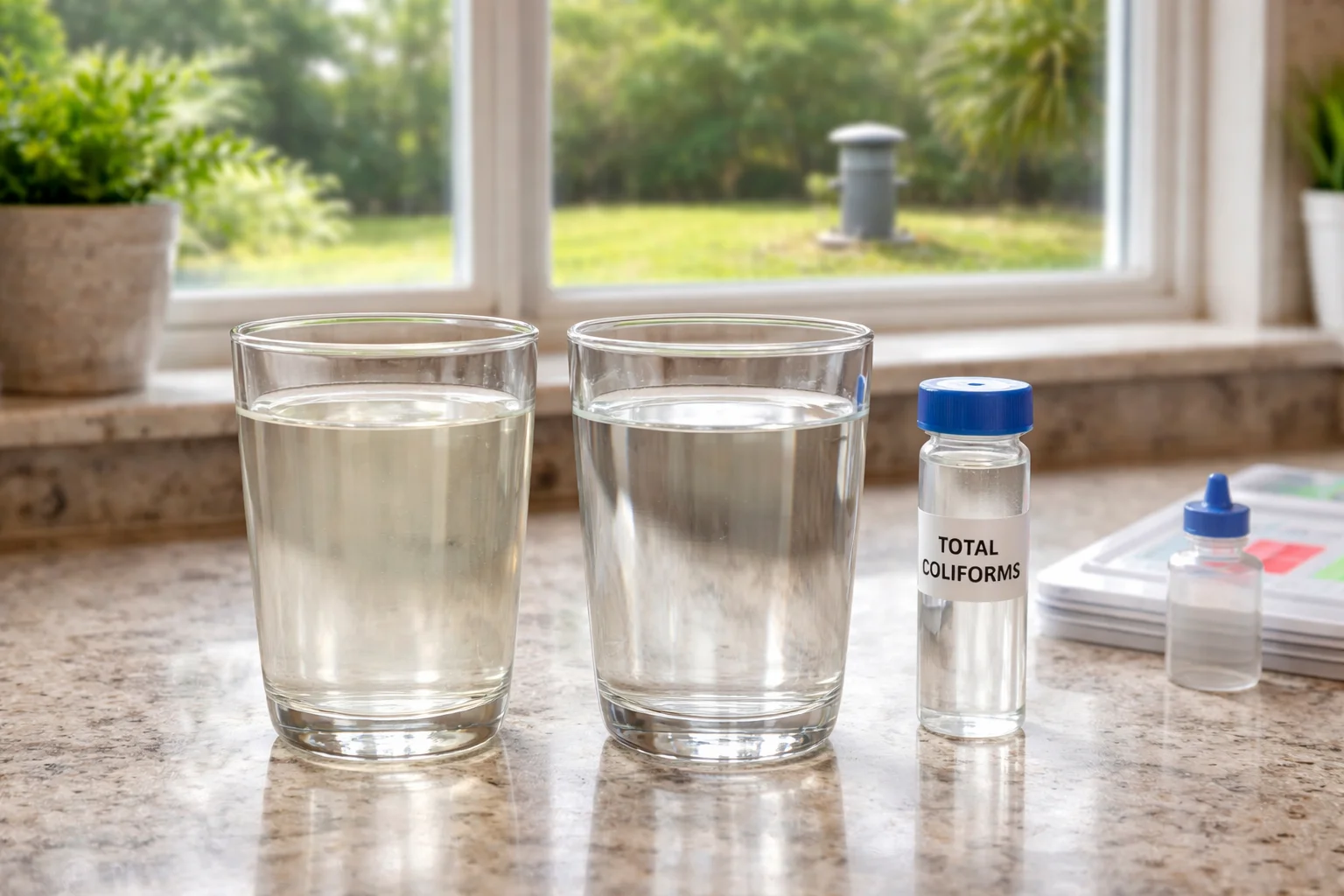
Coliform bacteria are a group of microorganisms often used to indicate whether water is properly sanitized. If a lab report for your Capitola home shows coliform bacteria, it can mean untreated water is entering the plumbing through a damaged well, a cross-connection, or another intrusion point. Because coliforms typically don’t change taste or smell, test results are the reliable way to detect them. You may also see the phrase total coliforms on your report, which refers to the broader group of these organisms.
When total coliforms are detected in Florida homes like those in Capitola, the usual response is confirmatory sampling, locating and fixing possible entry points, and adding a whole-house barrier for ongoing protection. Total coliforms are distinct from E. coli, but their presence can indicate conditions that might allow other microbes to enter the system. Because contamination can fluctuate, many Capitola homeowners prefer treatment at the main water entry so every faucet and appliance receives protection.
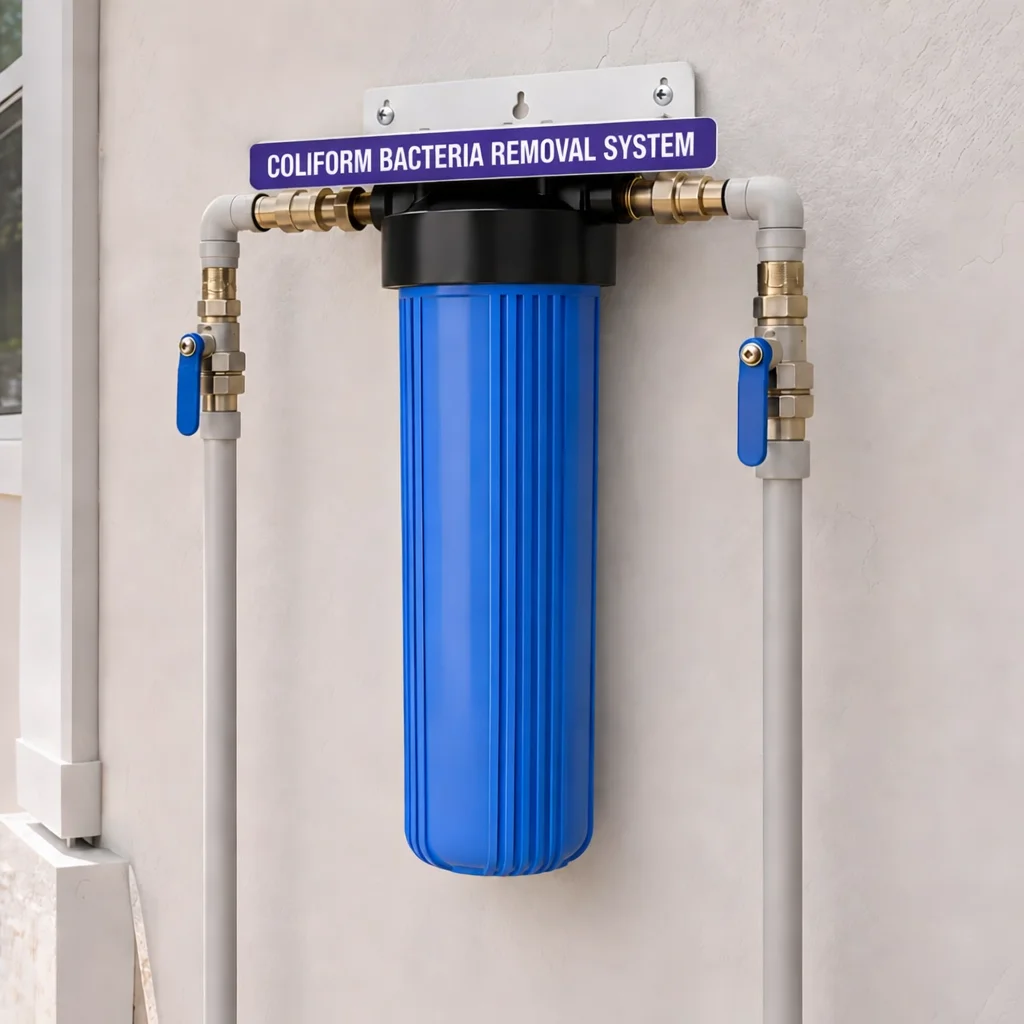
For treating coliform bacteria throughout the home, the most effective single whole-house option is typically a UV disinfection system installed at the point of entry. UV systems expose flowing water to ultraviolet light that inactivates microorganisms without adding chemicals, delivering protection to every tap in a Capitola residence. Properly sized for your home’s peak flow, a UV unit targets microbes directly rather than relying on taste- or odor-focused media.
UV works best when incoming water is relatively clear, since heavy sediment can shield bacteria from the light—so many homes in and around Capitola pair UV with a prefilter. If you’re selecting a single primary technology specifically for total coliforms, UV is the reliable workhorse. Mr. Pure Water can help size and install the right UV unit for your plumbing and demand, and provide routine lamp and sleeve service to keep whole-house protection consistent against coliform bacteria.
 850-772-1365
 info@bestwaterheater.com

