 Phone: 321-400-9302
 info@bestwaterheater.com
Phone: 321-400-9302
info@bestwaterheater.com
info@bestwaterheater.com
Phone: 321-400-9302
info@bestwaterheater.com
 Phone: 321-400-9302
info@bestwaterheater.com
Phone: 321-400-9302
info@bestwaterheater.com

Including filter system and high-performance Coliform Bacteria filter.


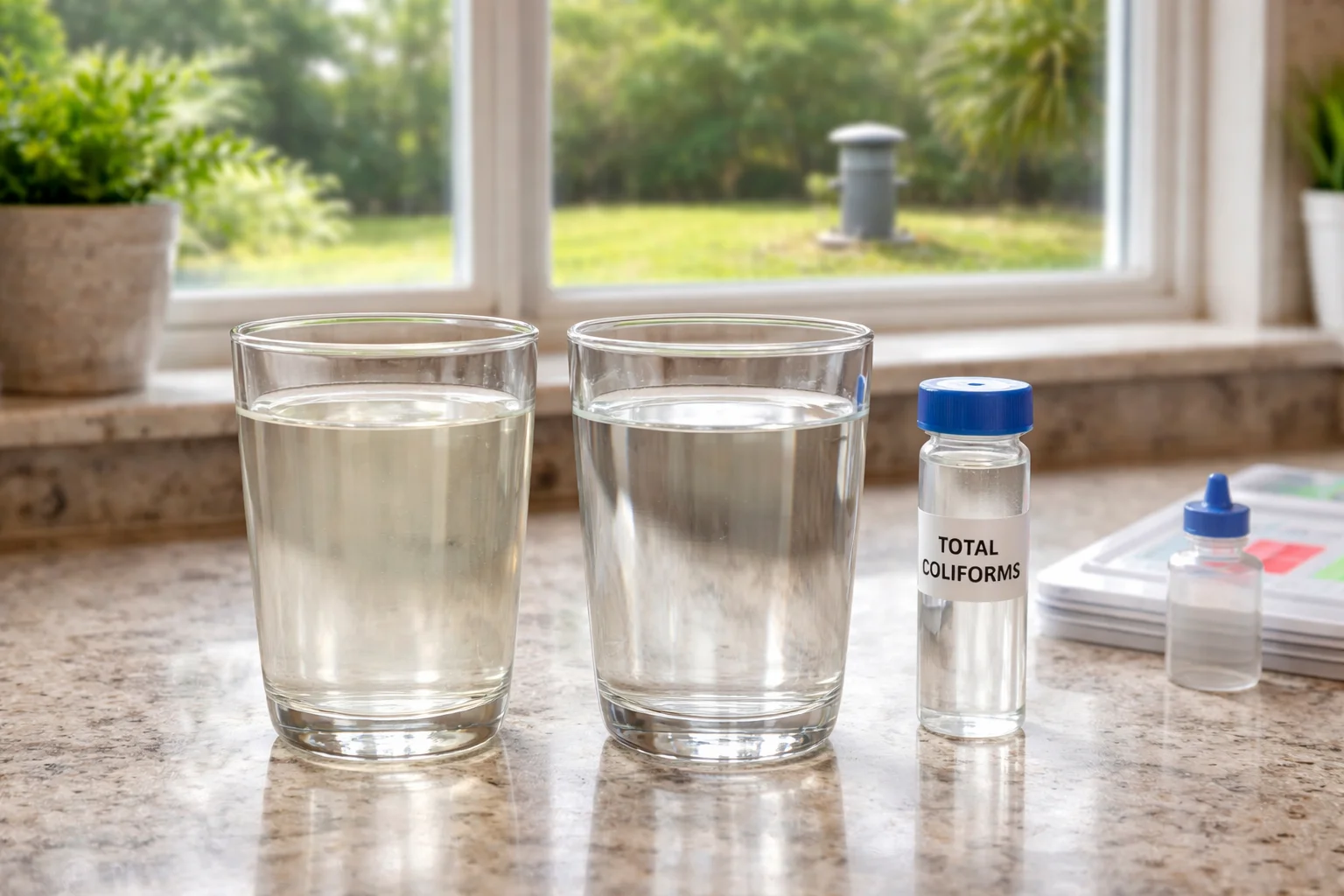
Coliform bacteria are a group of microorganisms water professionals use to gauge sanitation. If testing detects coliform bacteria, it can indicate that untreated water is entering the system through a compromised well, a cross-connection, or a breach in plumbing. Often there’s no change in taste or smell, so lab results are important to interpret. You may also see the phrase total coliforms on reports, which refers to the broader family of these indicator organisms.
In homes around Indialantic and the Brevard County coast, confirmed findings of total coliforms are typically handled by repeating tests, locating and fixing possible entry points, and adding a whole-house barrier for ongoing protection. Total coliforms differ from E. coli but can signal conditions where other microbes might occur. Because contamination can be intermittent, many homeowners prefer treatment at the point where water enters the house so every faucet—from the kitchen sink to outdoor spigots near the boardwalk or along Riverside Drive—is covered.
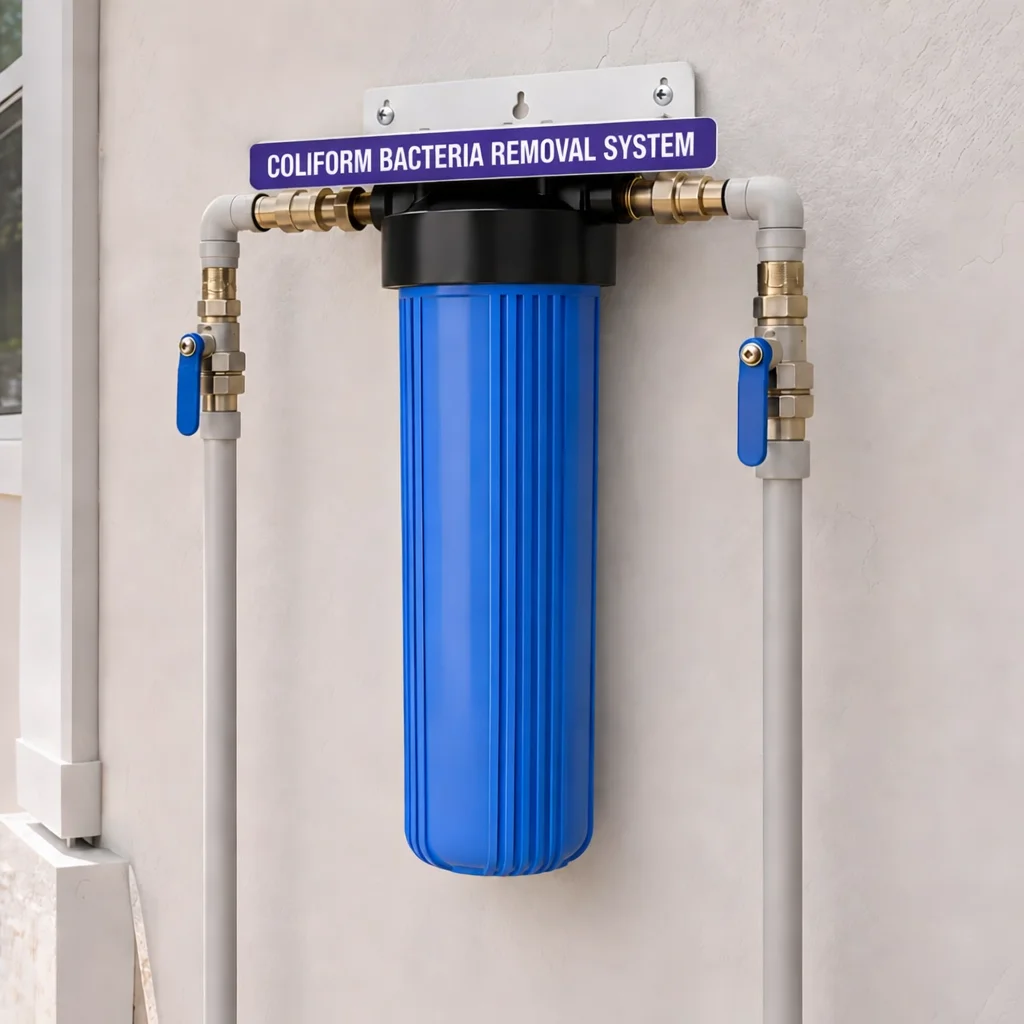
For coliform bacteria, the single most effective whole-house option is usually a UV disinfection system installed at the point of entry. UV uses ultraviolet light to inactivate microorganisms as water passes through the treatment chamber, protecting the entire home without adding chemicals. That direct microbial targeting makes UV a strong choice for bacterial concerns, and when the unit is sized for your home’s flow rate it can provide consistent protection to every tap in your Indialantic residence.
UV systems perform best when the incoming water is relatively clear, since heavy sediment can shield microorganisms from the light; many coastal and hard-water homes in the area pair UV with a prefilter for that reason. If you’re prioritizing one primary technology for total coliforms, UV is the workhorse solution. Mr. Pure Water can help pick the right UV unit for your plumbing, peak demand, and local water quality—important steps in an island climate where hard municipal water and salty air affect fixtures—and provide routine lamp and sleeve service to keep protection reliable.
 321-400-9302
 info@bestwaterheater.com

