 Phone: 772-290-5223
 info@bestwaterheater.com
Phone: 772-290-5223
info@bestwaterheater.com
info@bestwaterheater.com
Phone: 772-290-5223
info@bestwaterheater.com
 Phone: 772-290-5223
info@bestwaterheater.com
Phone: 772-290-5223
info@bestwaterheater.com

Including filter system and high-performance Coliform Bacteria filter.


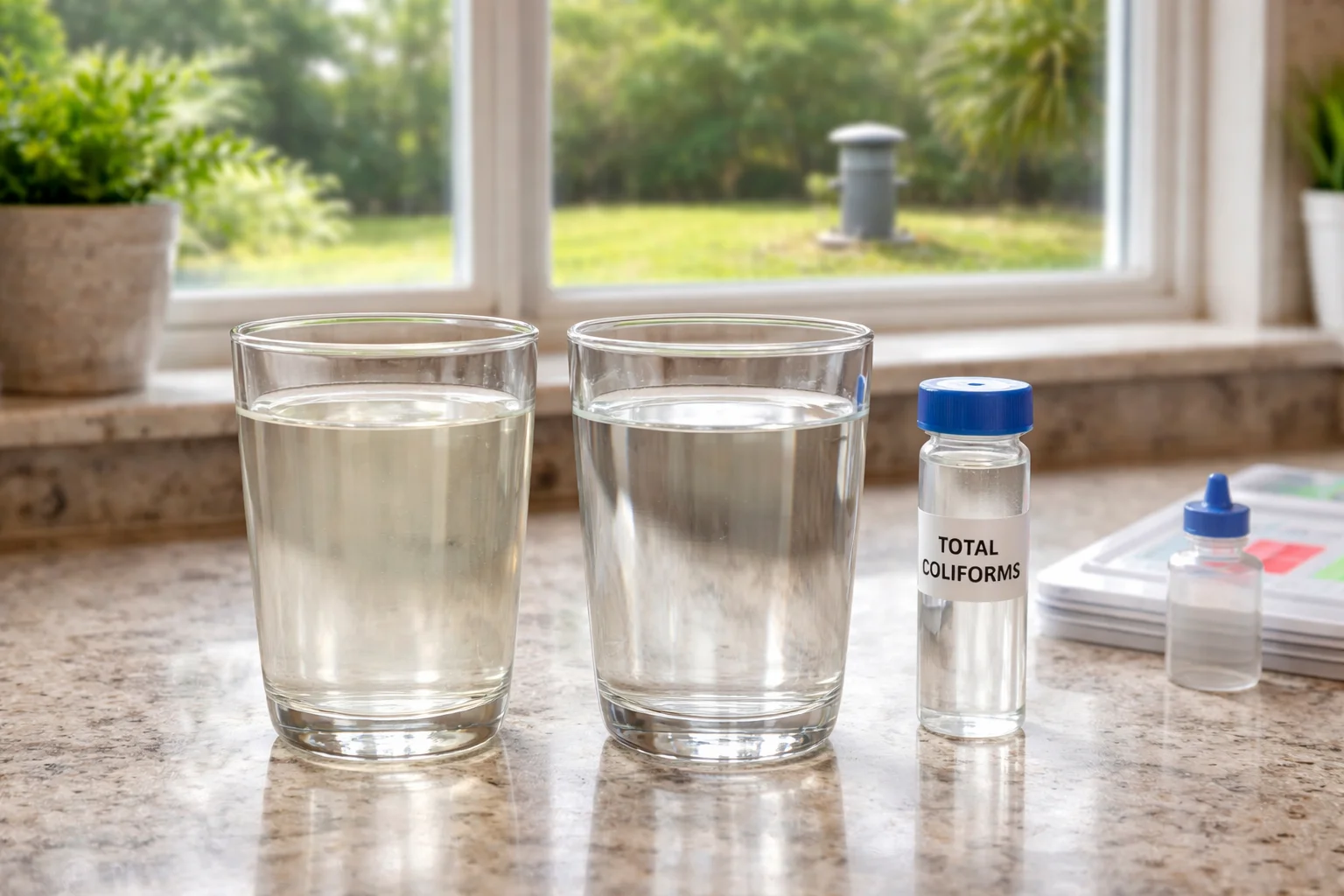
Coliform bacteria are a group of microorganisms commonly used to judge water sanitation. If your well or utility testing in Lake Placid shows coliform bacteria, it can mean untreated water is entering the system through a compromised well casing, a cross-connection, or a break in plumbing. Because coliforms often don’t change taste or smell, lab results are the reliable way to spot them; you might also see the term total coliforms on your report to describe the broader coliform group.
Locally, homeowners in Highlands County frequently address total coliform findings by repeating tests, sealing likely entry points, and adding a whole-house barrier to protect every tap in the home. Total coliforms aren’t the same as E. coli, but their presence can indicate conditions where other microorganisms might be present. Because water quality can change, many Lake Placid residents choose treatment at the point of entry so the entire household — from the kitchen to irrigation — is covered.
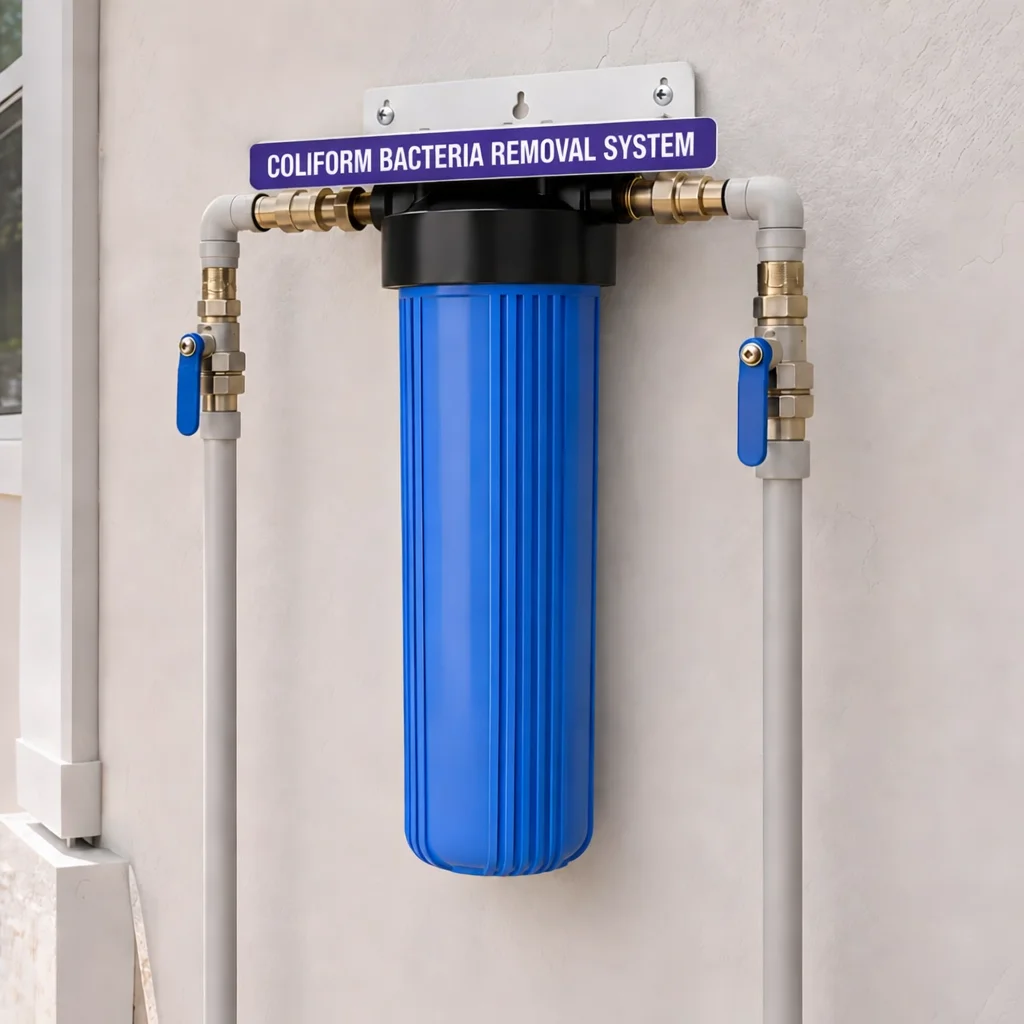
For addressing coliform bacteria in a whole-house application, the most effective single filter is generally a UV disinfection system installed at the home’s point of entry. UV units use ultraviolet light to inactivate microorganisms as water flows through the chamber, treating water for the whole house without adding chemicals. When properly sized for your plumbing and peak flow, a UV system delivers reliable protection at every faucet in Lake Placid homes.
UV systems perform best when the feed water is relatively clear, since heavy sediment or hardness-related scale can shield microbes from the light; inland Central Florida’s hard groundwater can contribute to that concern. That’s why many Lake Placid households pair UV with a sediment prefilter. Mr. Pure Water can help select and size the right UV unit and prefilter for your plumbing, peak demand, and water quality—then maintain the lamp and sleeve so UV continues to provide dependable whole-house protection against coliform bacteria.
 772-290-5223
 info@bestwaterheater.com

