 Phone: 305-404-8790
 info@bestwaterheater.com
Phone: 305-404-8790
info@bestwaterheater.com
info@bestwaterheater.com
Phone: 305-404-8790
info@bestwaterheater.com
 Phone: 305-404-8790
info@bestwaterheater.com
Phone: 305-404-8790
info@bestwaterheater.com

Including filter system and high-performance Coliform Bacteria filter.


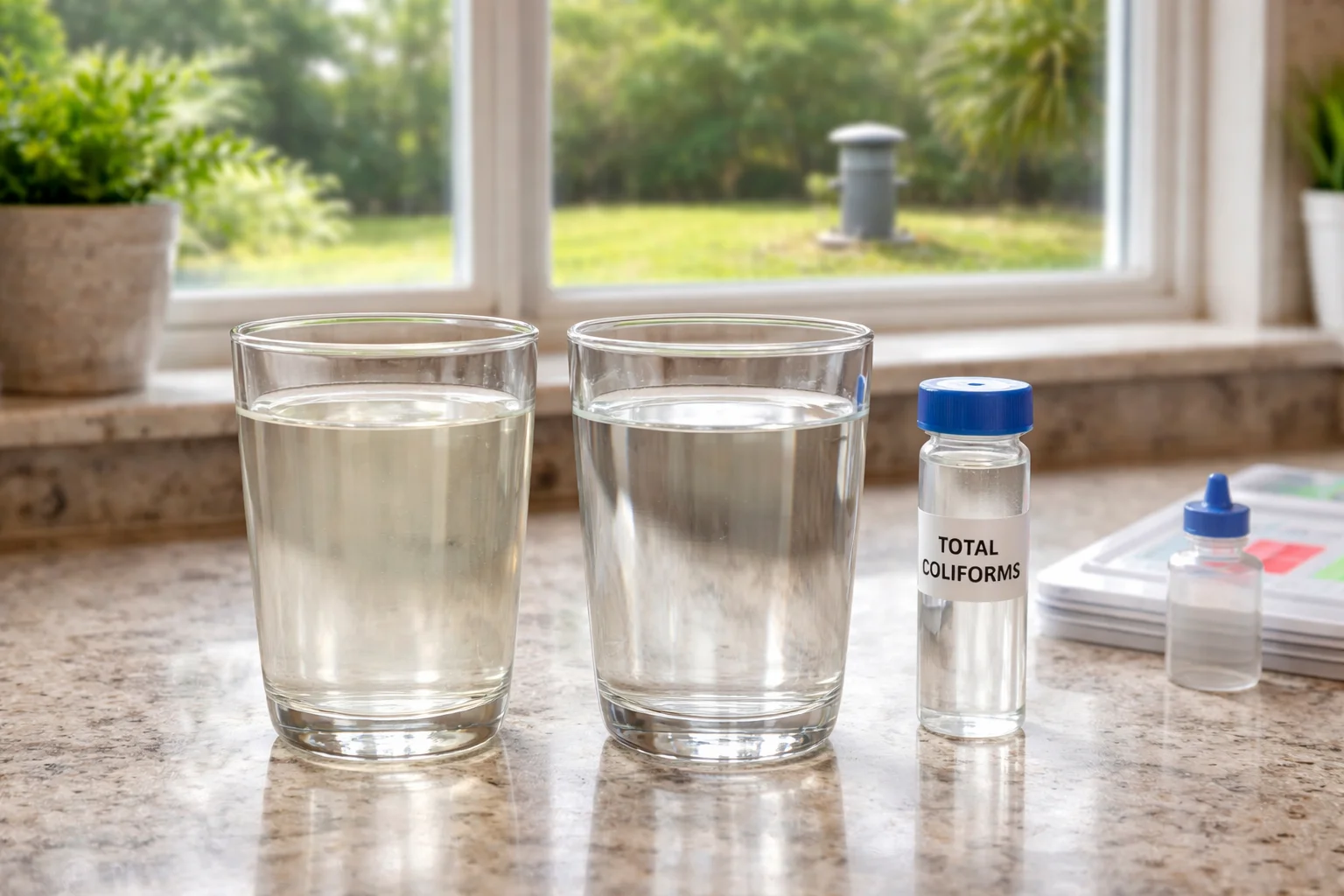
Coliform bacteria are a group of microorganisms commonly used to gauge water sanitation. If testing finds coliform bacteria, it often means untreated surface water or soil could be entering the supply through a compromised well, plumbing cross-connection, or other intrusion. In low-lying Florida communities like Layton — where heavy rains, seasonal flooding, or storm impacts can temporarily affect wells and systems — people may notice no change in taste or odor, so lab results are the critical signal. You may also see the phrase total coliforms on a lab report when it refers to the broader coliform group.
When total coliforms show up in Florida testing, the usual steps include confirming results with repeat sampling, locating and repairing likely entry points, and considering a whole-home barrier for ongoing safety. Total coliforms aren’t the same as E. coli, but their presence can indicate conditions that allow other microbes to enter the system. Because levels can change after storms or plumbing work, many Layton homeowners favor treatment at the point where water enters the house so every faucet remains protected.
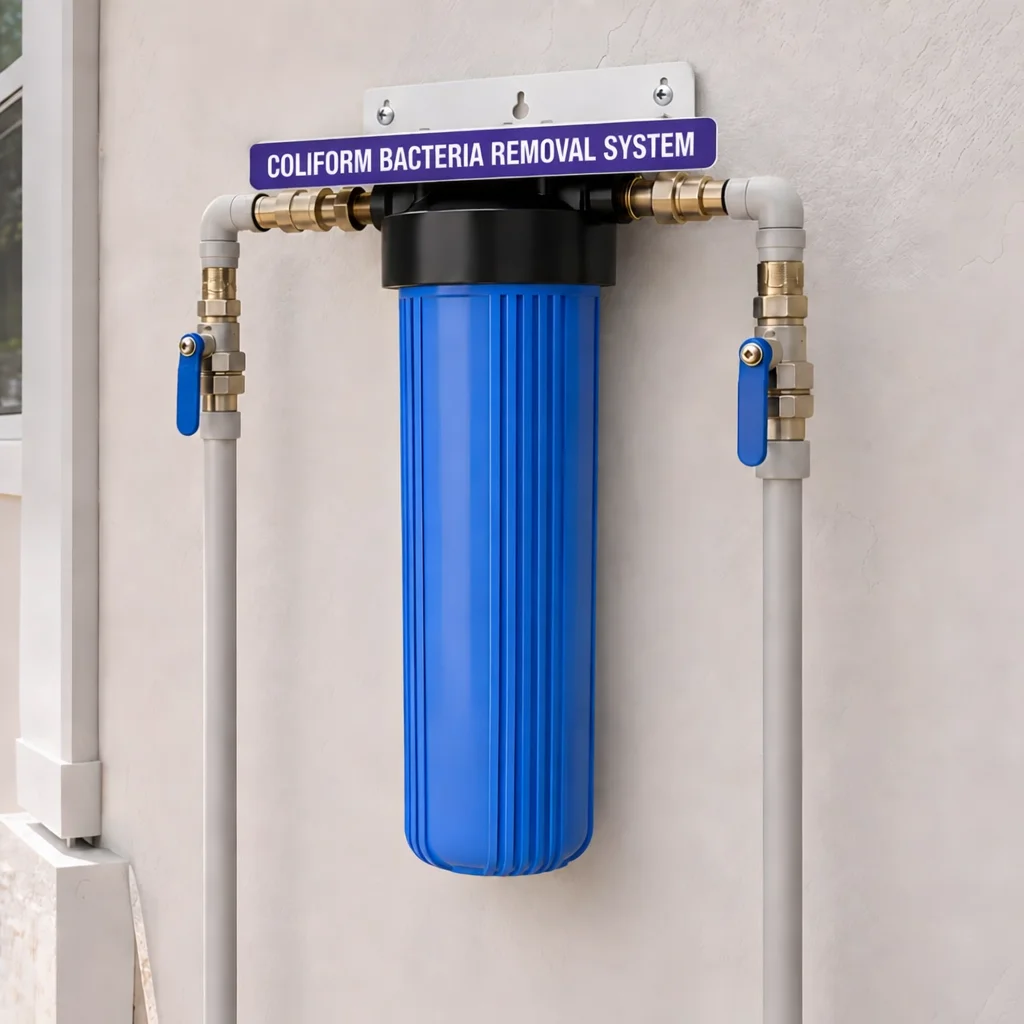
For addressing coliform bacteria in the whole house, the most effective single filter choice is a point-of-entry UV disinfection system. UV lamps expose microorganisms to ultraviolet light as water flows through the chamber, inactivating them without adding chemicals and delivering protection to every tap. This method focuses directly on microbes rather than relying on taste- or odor-based media, and when properly sized for your home’s flow it provides consistent coverage for a Layton household.
UV systems perform best when incoming water is relatively clear, since heavy sediment can shield microbes from the light; for that reason many homeowners pair UV with a sediment prefilter. If you’re selecting one primary technology specifically for total coliforms, UV is the dependable choice. Mr. Pure Water can size and place the UV unit for your plumbing and peak demand, and we’ll recommend routine lamp and sleeve maintenance so your whole-house protection remains effective — especially important in coastal Florida’s humid subtropical climate where storm-driven water changes can occur.
 305-404-8790
 info@bestwaterheater.com

