 Phone: 954-208-3500
 info@bestwaterheater.com
Phone: 954-208-3500
info@bestwaterheater.com
info@bestwaterheater.com
Phone: 954-208-3500
info@bestwaterheater.com
 Phone: 954-208-3500
info@bestwaterheater.com
Phone: 954-208-3500
info@bestwaterheater.com

Including filter system and high-performance Cyanide filter.


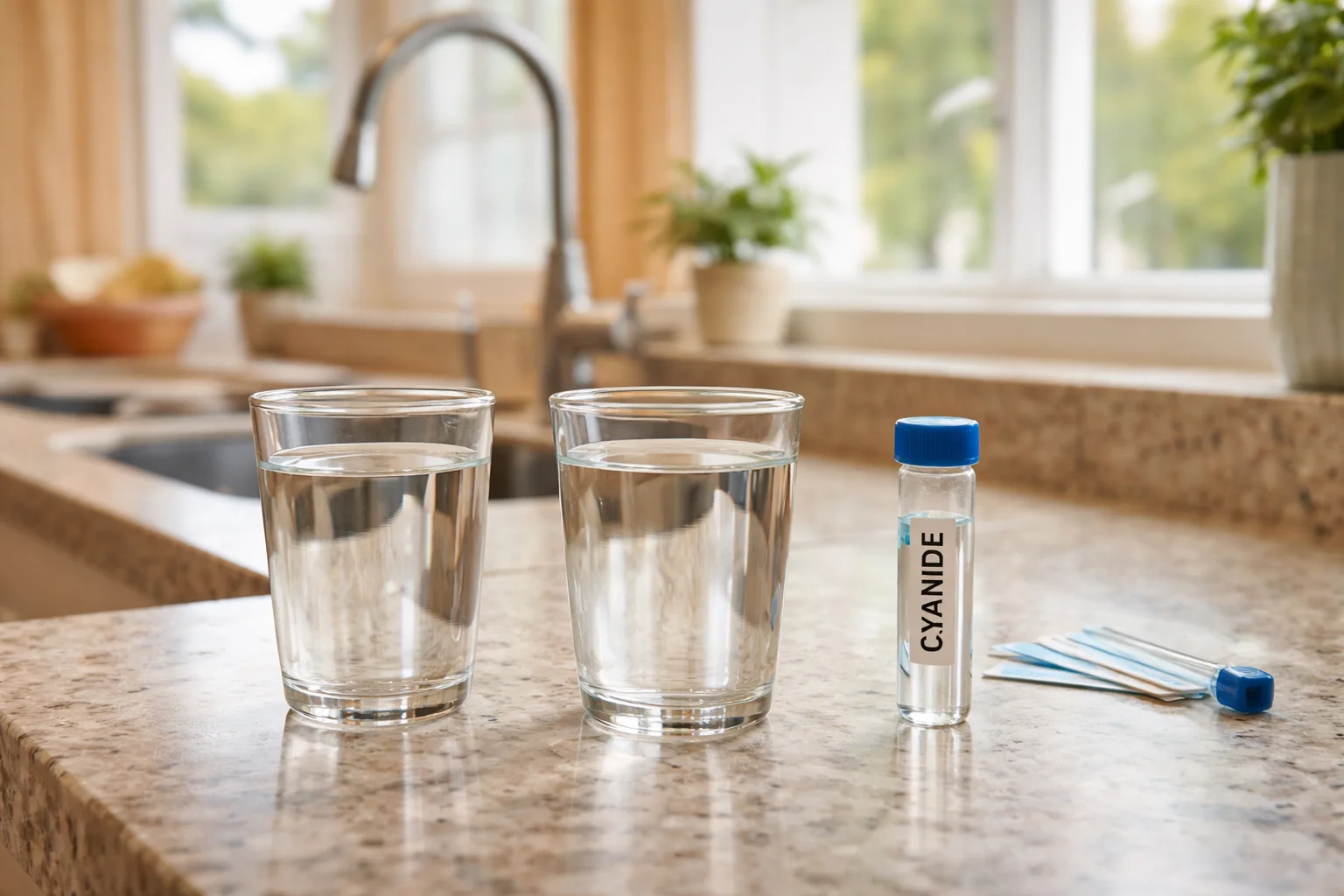
Cyanide in drinking water is worrying because even low amounts are not something you want running through every faucet in your Lighthouse Point home. It can enter supplies from industrial discharges, chemical manufacturing, or runoff that carries residues into surface waters, and in some systems it may arise as a byproduct of treatment or corrosion-control chemistry. Because cyanide and its related forms are usually colorless and odorless, the first many homeowners hear about it is from a lab report rather than by tasting or seeing it.
If concerns about unhealthy levels of cyanide come up, start with dependable testing so you know exactly what’s present. Cyanide can appear as free cyanide or in more complex compounds, and the best treatment depends on the form found. Even clear, normal-tasting water can contain dissolved contaminants, so many Lighthouse Point residents prefer a whole-house plan so every sink, shower and appliance receives treated water throughout the home.
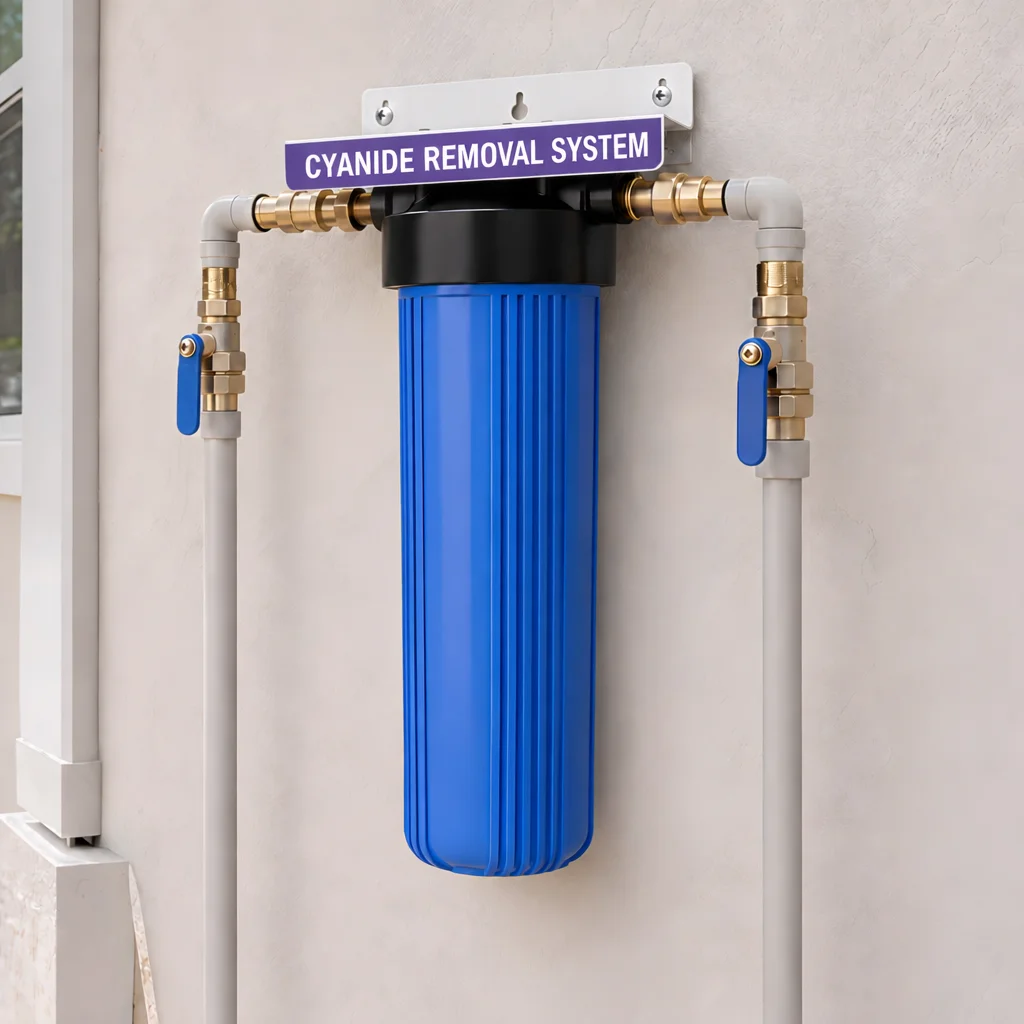
For whole-house cyanide reduction, a catalytic activated carbon filter is typically the best single-filter choice. Catalytic carbon is a special activated carbon that promotes reactions on its surface, improving removal of certain difficult compounds compared with standard carbon. When sized and installed correctly, water flows through the media and cyanide-related compounds are reduced by adsorption and surface reactions, providing practical protection at every tap in your Broward County home.
Because contact time matters, the system must match catalytic carbon tank size and flow rate to your household demand so the media can work effectively. Pre-filtration for sediment will help prevent clogging and channeling—especially useful in South Florida’s hard water—to extend carbon life and maintain performance. A whole-house installation treats water for showers, sinks and outdoor equipment exposed to salt air, and Mr. Pure Water can help Lighthouse Point homeowners select and size a catalytic activated carbon system that fits how the household uses water.
 954-208-3500
 info@bestwaterheater.com

