 Phone: 561-300-5075
 info@bestwaterheater.com
Phone: 561-300-5075
info@bestwaterheater.com
info@bestwaterheater.com
Phone: 561-300-5075
info@bestwaterheater.com
 Phone: 561-300-5075
info@bestwaterheater.com
Phone: 561-300-5075
info@bestwaterheater.com

Including filter system and high-performance Cyanotoxins filter.


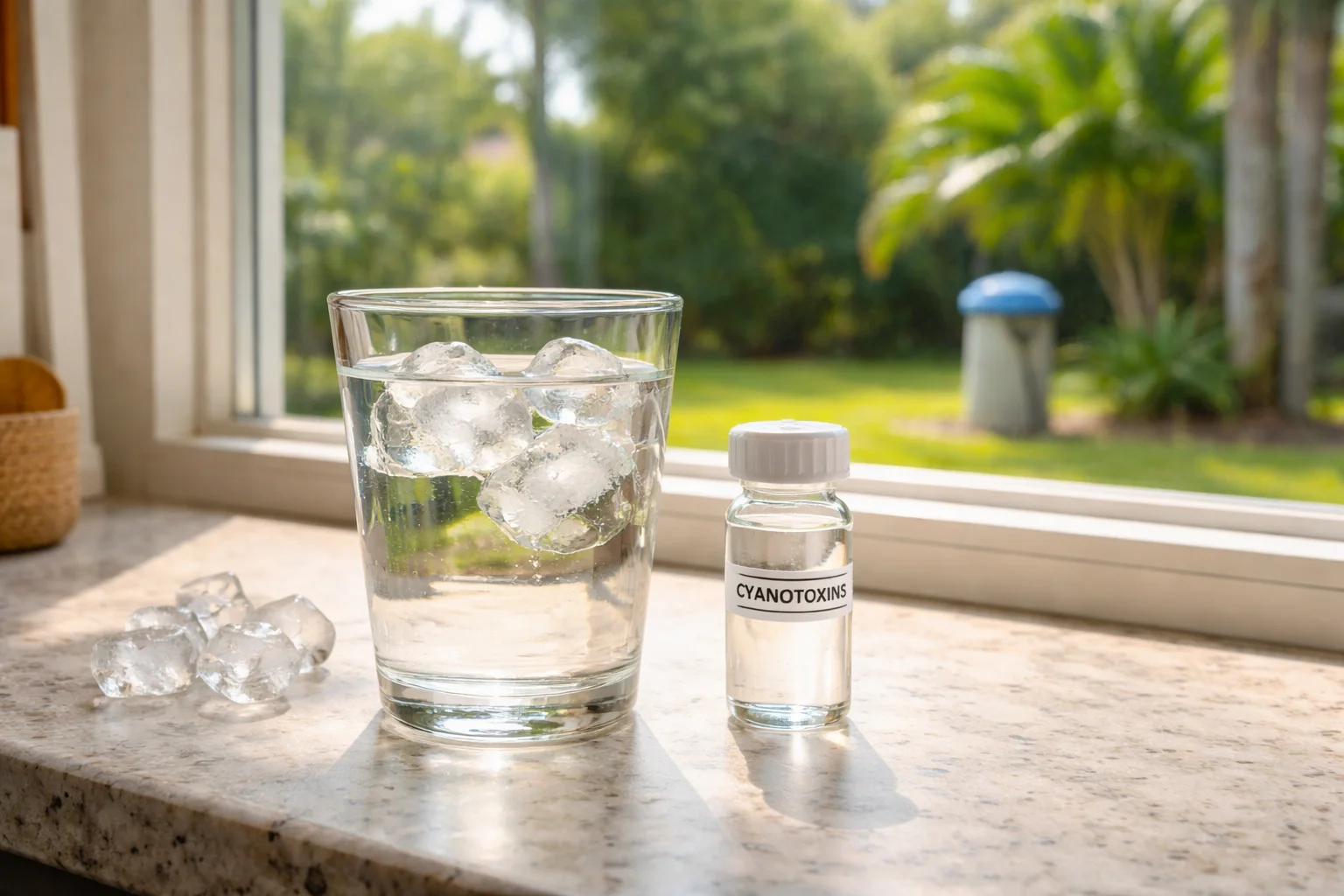
Cyanotoxins are produced by certain algae and cyanobacteria during blooms in lakes, ponds, and reservoirs and can sometimes enter treated water even when it looks clear. Because these compounds dissolve at very low concentrations, you won’t reliably detect them by taste, smell, or appearance. Many Lake Clarke Shores homeowners choose an extra layer of protection where water enters the house to help reduce the chance that trace amounts reach taps, showers, and appliances.
Different cyanotoxins act differently and water providers may use varied treatment steps depending on source conditions, so a single approach won’t always cover every concern. For residents of Lake Clarke Shores and nearby Palm Beach County neighborhoods, a whole-house solution can lower what gets to every faucet and help maintain consistent water quality for cooking, bathing, and laundry—especially important in our hot, humid climate and where hard water can stress appliances.
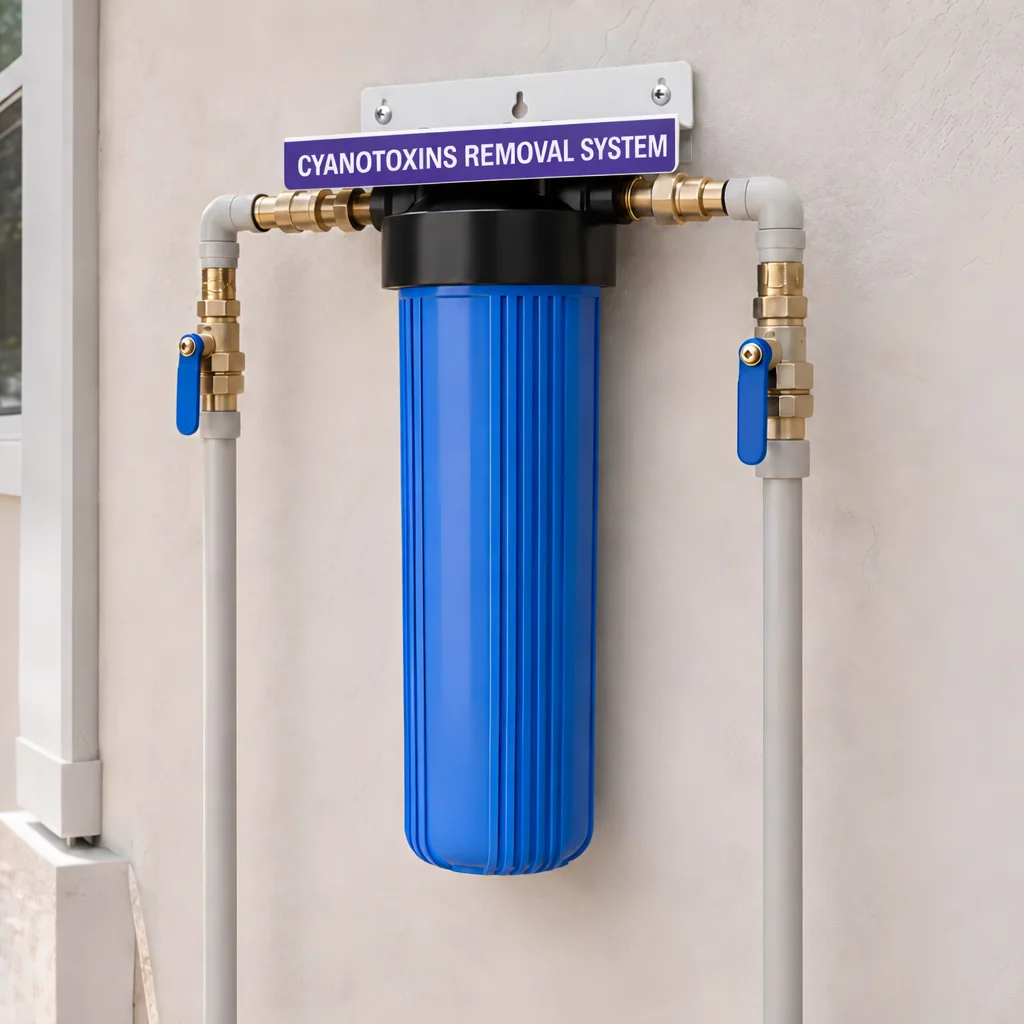
For whole-home reduction of cyanotoxins, catalytic carbon is often the most effective single-filter option for everyday use. Catalytic carbon improves on standard activated carbon by being more reactive toward many dissolved organic compounds; in a properly sized tank-style system, water passes slowly through a large media bed to allow the contact time needed for adsorption while serving the whole house.
A correctly sized catalytic carbon whole-house system is installed at the main line to protect plumbing and appliances in Lake Clarke Shores from the same water you drink, and it’s configured to maintain comfortable flow at sinks and showers. Because hard water is common here and usage patterns vary, media replacement schedules depend on your household’s flow and water conditions—Mr. Pure Water can recommend the right tank size and flow rate so the system reduces cyanotoxins while keeping daily water pressure steady.
 561-300-5075
 info@bestwaterheater.com

