 Phone: 772-290-5223
 info@bestwaterheater.com
Phone: 772-290-5223
info@bestwaterheater.com
info@bestwaterheater.com
Phone: 772-290-5223
info@bestwaterheater.com
 Phone: 772-290-5223
info@bestwaterheater.com
Phone: 772-290-5223
info@bestwaterheater.com

Including filter system and high-performance Cyanotoxins filter.


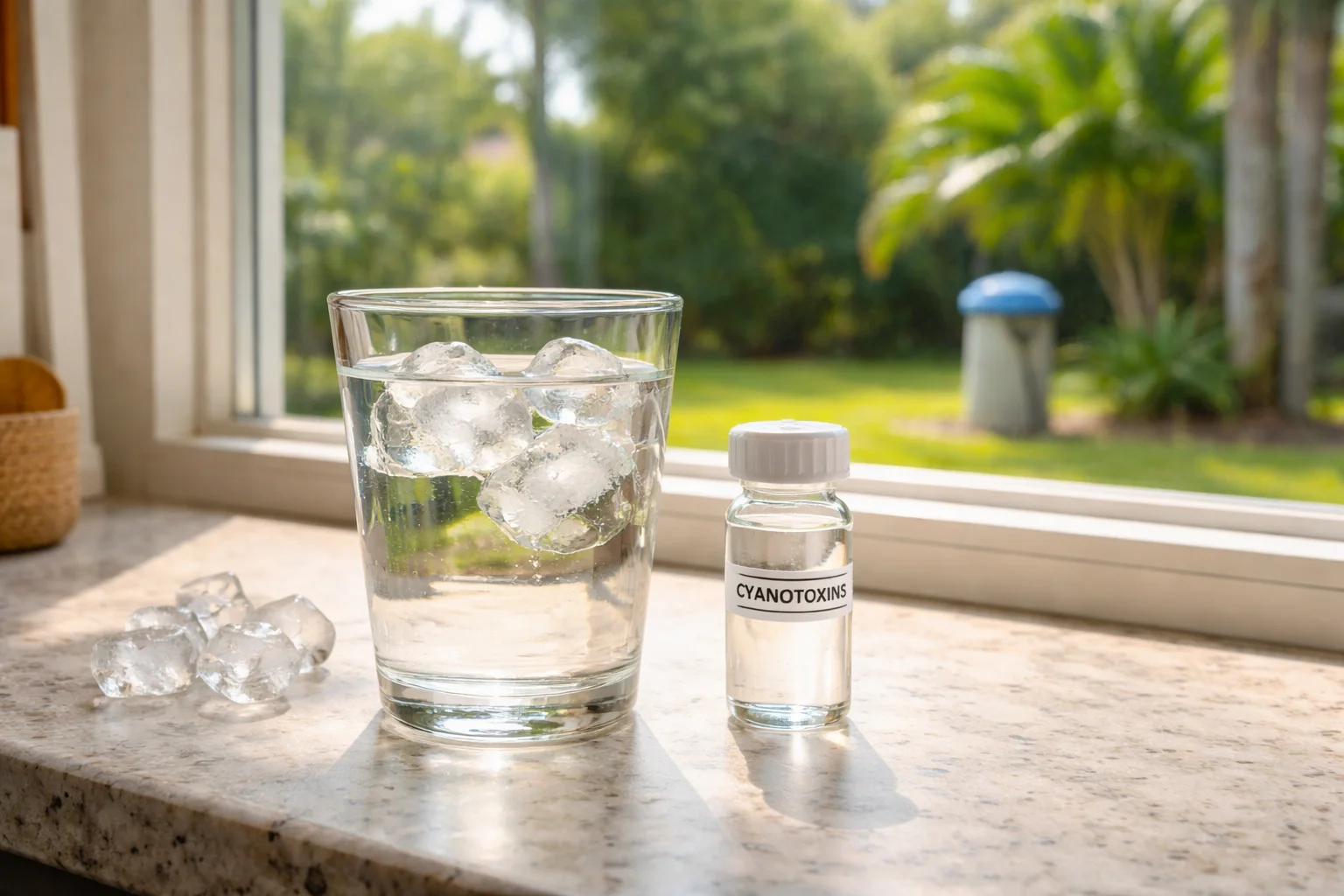
Cyanotoxins are chemicals produced by certain algae and cyanobacteria during blooms in lakes, rivers, and reservoirs, and when source waters are affected they can sometimes pass into treated supplies even if the water looks clear. Because these compounds can be dissolved at very low concentrations, you usually can’t rely on sight, taste, or smell to know they’re present. Many Port St. Lucie homeowners choose an extra layer of protection where water enters the house to guard faucets, showers, and appliances.
Cyanotoxins vary in how they react to treatment, and utilities around St. Lucie County may use different processes depending on source conditions, so one approach doesn’t fit every situation. If algae blooms are a local concern, a whole-house system can reduce what reaches every tap in your Port St. Lucie home and help maintain safer water for cooking, bathing, and daily use. This approach also supports consistent performance in areas with hard water, where mineral scale can already stress plumbing and fixtures.
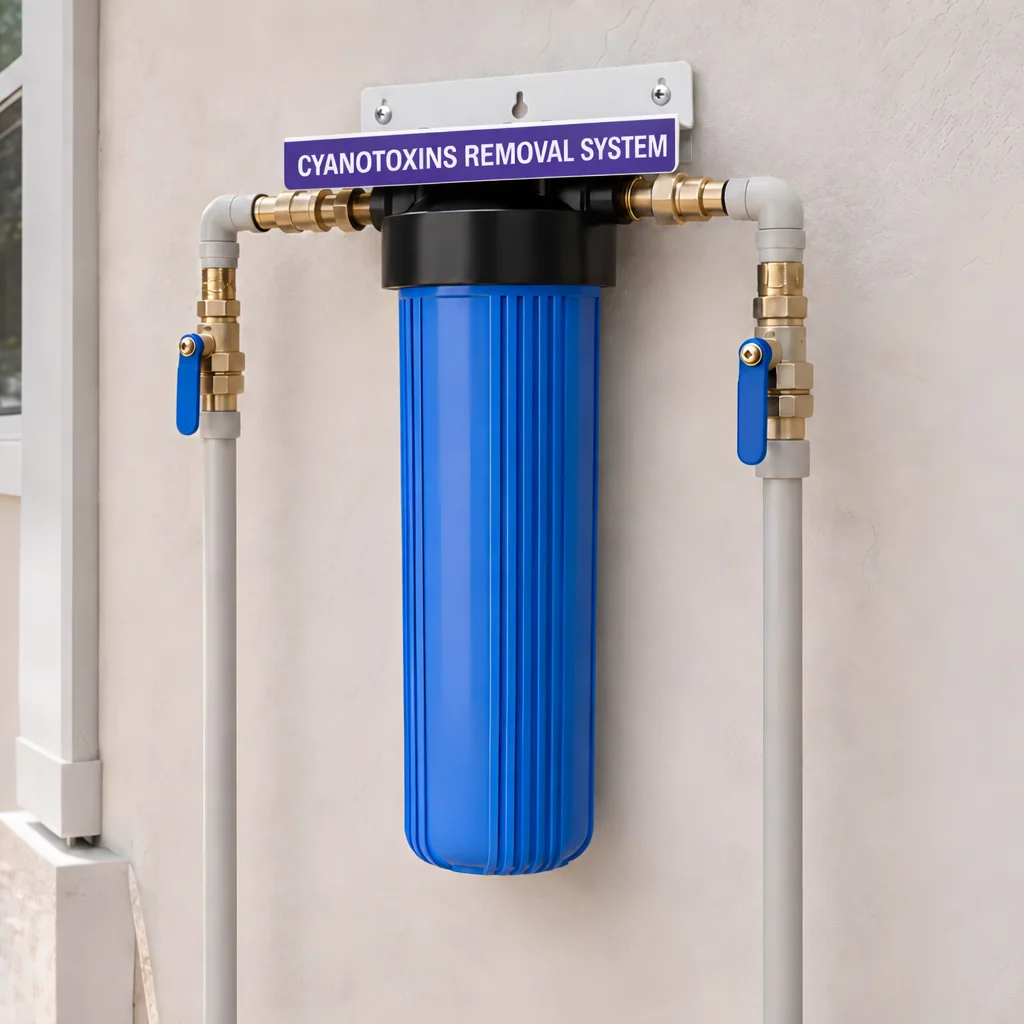
For whole-house reduction of cyanotoxins, a catalytic carbon filter is typically the most effective single-filter option for regular residential use. Catalytic carbon provides stronger adsorption than standard activated carbon for many dissolved organic compounds, and in a correctly sized tank-based system the water spends enough contact time in the media bed for meaningful reduction. This delivers treated water to every faucet in your Port St. Lucie residence without relying on small, quickly exhausted cartridges.
A properly designed catalytic carbon whole-house system is sized for your family’s water use and matched to the right flow rate so showers and sinks in neighborhoods like St. Lucie West or Tradition stay comfortable. Installed at the main service line, it helps protect appliances, plumbing, and fixtures from the same water you drink—especially useful in our hard South Florida water. Mr. Pure Water can assess your Port St. Lucie home and recommend the correct system and replacement schedule to maintain performance while reducing cyanotoxins.
 772-290-5223
 info@bestwaterheater.com

